
 |
|
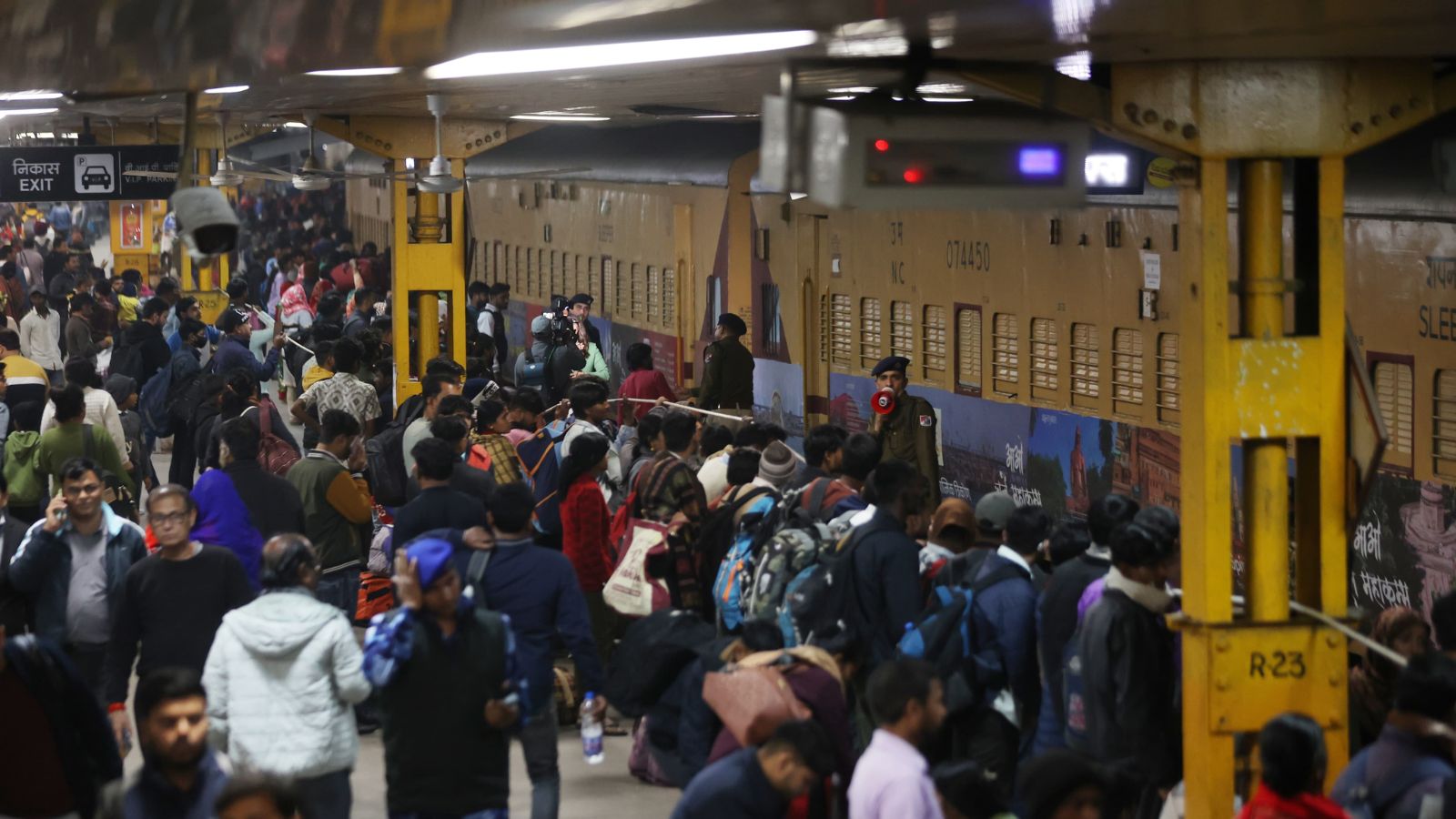
The tragic stampede at New Delhi Railway Station on February 15th, resulting in 18 fatalities and numerous injuries, served as a stark wake-up call for Indian Railways. The incident, occurring amidst the influx of pilgrims heading to the Maha Kumbh in Prayagraj, highlighted critical vulnerabilities in crowd management and infrastructure at major railway stations. In the aftermath, Central Railway (CR) swiftly initiated a comprehensive plan to mitigate the risk of similar incidents and ensure the safe passage of devotees to the religious gathering. This response, while reactive, underscores the urgent need for proactive measures to prevent future tragedies.
A key component of the CR's strategy involves significantly increasing train capacity on routes connecting major cities to Prayagraj. The railway authority has added numerous additional services from key hubs like Chhatrapati Shivaji Maharaj Terminus (CSMT) in Mumbai, Lokmanya Tilak Terminus (LTT), and Dadar. This expansion, encompassing three daily trains from CSMT, twelve from LTT, and two special trains from Dadar, aims to alleviate pressure on existing services and reduce overcrowding at stations. The added trains, in conjunction with existing Kumbh special trains, represent a substantial increase in passenger carrying capacity, demonstrating a commitment to addressing the immediate transportation demands of the Maha Kumbh.
Beyond simply increasing train frequency, the CR has implemented a multifaceted approach to improve crowd management at stations. The installation of five new Unreserved Ticketing System (UTS) counters at strategic locations – CSMT, LTT, Thane, and Kalyan – directly tackles the issue of long queues and excessive waiting times for tickets. This initiative reduces congestion at ticket counters, preventing potential bottlenecks that could contribute to stampedes. Furthermore, the implementation of queue management systems at these stations introduces a structured approach to passenger flow, guiding travellers through a more organised and efficient process. The deployment of 150 additional ticket-checking personnel and 45 RPF officers on Prayagraj-bound trains further enhances security and crowd control on board.
Recognizing the importance of safe and efficient movement within stations, the CR has focused on improving the functionality of Foot Over Bridges (FOBs). The introduction of controlled access, unidirectional movement dividers, and restrictions on escalator usage during peak hours demonstrates a commitment to optimizing pedestrian flow and preventing congestion in critical areas. These measures, designed to prevent overcrowding and chaotic movement, are crucial in averting potential stampedes. The comprehensive nature of these improvements, addressing various aspects of passenger movement and safety, highlights a shift towards more proactive and preventative strategies in station management.
The response of the Central Railway is not limited to Mumbai. Similar crowd control measures have been implemented at major stations in Pune, Bhusaval, Nagpur, and Solapur divisions. This widespread deployment underscores the seriousness with which the railway authority is addressing the issue. In Pune, for example, dedicated personnel have been assigned to monitor boarding points and platforms, ensuring smooth passenger embarkation. In Nagpur, special attention has been paid to key boarding hubs, deploying extra staff to manage unreserved passengers and prevent unauthorized entry into reserved coaches. This coordinated approach across various divisions illustrates a concerted effort to improve safety and efficiency across the entire network.
In addition to the physical infrastructure improvements and increased personnel deployment, the CR has provided clear guidance to passengers. Passengers are advised to arrive at stations well in advance of their train departure to avoid last-minute congestion. The provision of information via the Indian Railways website ensures that travellers have access to updated schedules and can plan their journey accordingly. This proactive communication is crucial in managing expectations and preventing unnecessary rush and panic at the stations. The comprehensive approach taken by the Central Railway, encompassing increased train capacity, improved station infrastructure, enhanced crowd management, and clear communication to passengers, represents a significant step towards preventing future tragedies and ensuring a safer and more organized travel experience for all.
Source: After stampede at Delhi station: CR increases trains to Prayagraj, implements steps to control crowd