
 |
|
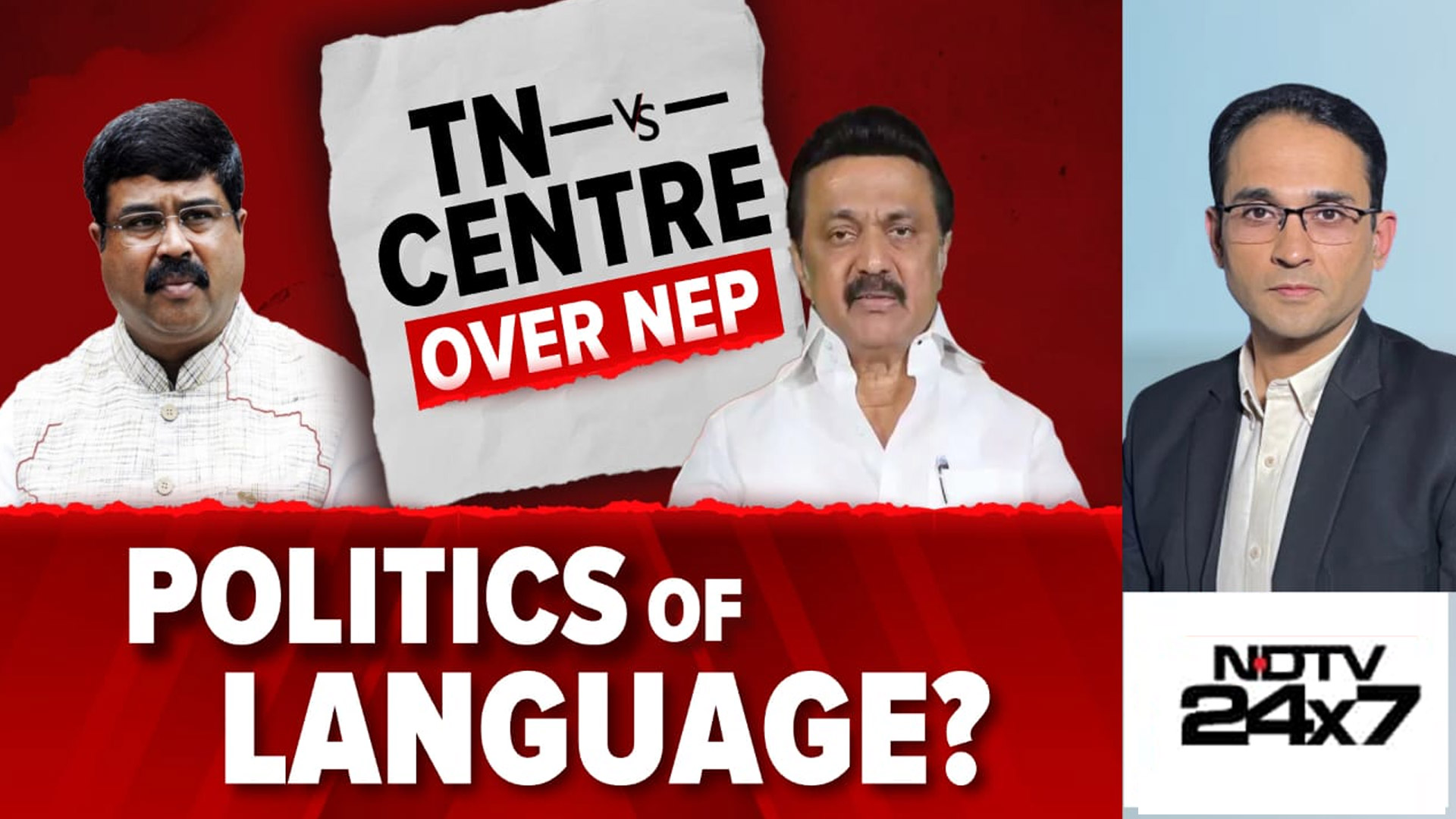
The political landscape in India is currently embroiled in a heated debate surrounding the implementation of the National Education Policy (NEP) and the consequential allocation of federal funds. The Dravida Munnetra Kazhagam (DMK), a prominent regional political party in Tamil Nadu, is leading the charge against the central government's decision to withhold funds unless the state complies with the NEP's stipulations, specifically its three-language policy. This policy mandates the teaching of Hindi alongside regional and English languages, sparking significant controversy and protests across Tamil Nadu. The DMK's planned protests in Chennai underscore the deep-seated concerns and anxieties surrounding language, cultural identity, and the perceived imposition of a uniform national education system. The core of the disagreement lies in the perceived threat to Tamil identity and the fear of marginalizing the Tamil language. The DMK's opposition is not simply a matter of bureaucratic disagreement but rather reflects a deep-rooted cultural and political battle. Tamil Nadu has a long history of linguistic nationalism and fiercely protects its unique cultural identity. The imposition of Hindi, a language not native to the region, is viewed as an attempt to undermine this identity and impose a cultural hegemony.
The central government's justification for linking funding to NEP implementation rests on the argument of national integration and uniformity in education standards across the country. Proponents of the NEP assert that a common educational framework will foster a sense of national unity and facilitate seamless mobility between states. Furthermore, the three-language formula is seen as a means to improve multilingualism, potentially bolstering economic competitiveness on a global scale. The central government maintains that its actions are not coercive but are designed to promote a holistic educational system that benefits all citizens. They cite the benefits of Hindi proficiency in accessing opportunities across the country and emphasize the importance of a uniform curriculum in achieving educational parity. However, this argument fails to acknowledge the diverse linguistic and cultural landscapes across India. The NEP’s uniform application ignores the specificity of regional contexts, potentially stifling linguistic diversity and reinforcing existing inequalities.
The conflict between the DMK and the central government highlights a broader tension within India's federal structure. The states possess considerable autonomy in education, but the allocation of federal funds often creates a power dynamic where the center can exert considerable influence over state policies. This dynamic is further complicated by the intersection of language politics, cultural identity, and regional aspirations. The debate is not solely about educational reforms but also touches upon questions of self-determination, cultural preservation, and the relationship between the center and the states. The DMK's protest serves as a powerful reminder of the complexities inherent in forging a national identity while simultaneously respecting and celebrating regional diversities. The potential for further escalation is significant, and the outcome of this conflict will have far-reaching consequences for India’s education system and its evolving political landscape. The future trajectory depends not only on political maneuvering but also on a deeper engagement with the underlying concerns of preserving linguistic and cultural diversity within the framework of a unified nation. Finding a balance that respects both national aspirations and regional identities remains a monumental challenge for India’s political leadership.
The ongoing dispute also sheds light on the complex interplay between federalism and national policy. The central government's approach underscores the inherent challenges of balancing national interests with regional autonomy in a diverse country like India. This power struggle highlights the need for a more nuanced understanding of the sociolinguistic dynamics and the potential for federal funding to be wielded as a tool to influence state-level policies. Moving forward, a constructive dialogue that recognizes the validity of both national aspirations and regional specificities is crucial. The debate underscores the need for a more inclusive approach to national education policies, one that takes into account the diverse linguistic realities and cultural contexts across India. Ignoring these realities risks alienating communities, exacerbating tensions, and ultimately hindering the goal of providing quality education to all citizens. A negotiated settlement that addresses the concerns of Tamil Nadu while upholding the broader goals of national integration remains the most desirable outcome. This would require a shift from a top-down imposition to a more collaborative approach, involving meaningful consultations with stakeholders at the state level.