
 |
|
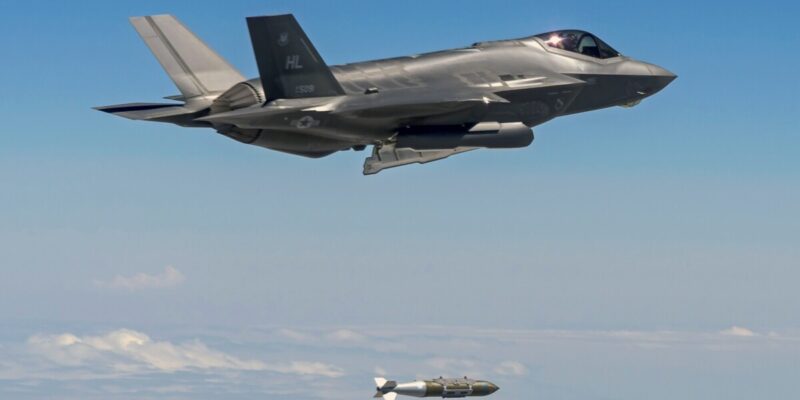
The Indian Air Force (IAF) is facing a significant challenge concerning the potential acquisition of F-35 Lightning II stealth fighters. While the allure of advanced fifth-generation combat capabilities is undeniable, the associated costs – both acquisition and operational – pose a formidable obstacle. The article highlights the already strained financial resources of the IAF, struggling to maintain its diverse fleet of Russian, French, and indigenous aircraft. Adding another fighter type, especially one as expensive as the F-35, risks exacerbating existing logistical and financial woes. The cost per aircraft ranges from $80 to $115 million, with an operational cost of approximately $36,000 per hour. These figures paint a stark picture of the financial implications, potentially diverting crucial resources from other essential areas of military modernization and upkeep.
The IAF currently operates a diverse range of fighter aircraft, including Sukhoi Su-30MKIs, MiG-29Ms, Mirage 2000Hs, Rafales, MiG-21s, Jaguars, and Tejas LCA variants. This heterogeneity creates a logistical nightmare, as highlighted by repeated criticism from the Comptroller and Auditor General (CAG) and parliamentary committees. The reports consistently cite poor operational readiness, high aircraft-on-ground (AoG) rates, and limited flying hours, all stemming largely from Maintenance, Repair, and Overhaul (MRO) complications. These issues have severely hampered the IAF's ability to evolve into a strategic force capable of power projection and out-of-area operations. The article draws parallels with the more streamlined fleets of the US Air Force and the Russian Air Force, which prioritize commonality among their fighter types, simplifying MRO and reducing costs.
A major contributing factor to the IAF's MRO challenges is the scarcity of spare parts, particularly for the twin-engine MiG-29 and Su-30MKI fighters. The disintegration of the Soviet Union significantly impacted the supply chain, leading to difficulties in sourcing spares and inflated costs. The closure of production lines in some breakaway republics further compounded the problem, forcing the IAF to resort to the open market, where the quality of spares was often questionable. While indigenization of critical spares was a proposed solution, it has not been implemented to a sufficient extent, leaving the IAF vulnerable to prolonged groundings and expensive overseas overhauls. The ongoing conflict in Ukraine has further restricted access to crucial components and exacerbated existing supply chain vulnerabilities. This situation highlights the critical need for a more robust and self-sufficient spare parts supply system within India.
The financial constraints faced by the IAF are severe. Despite significant budgetary allocations, the amount allocated to stores (including MRO) in fiscal year 2020-21 was actually less than the previous year, highlighting the escalating financial crisis. This financial squeeze comes at a time when the IAF is facing a dwindling number of fighter squadrons. The force is far below its sanctioned strength of 42 squadrons, with further reductions anticipated in the coming years. This shortage has prompted calls for the urgent acquisition of 114 Multi-Role Fighter Aircraft (MRFA) and the potential addition of the F-35. However, the lack of clarity surrounding the integration of the F-35 into the existing fleet, coupled with the already strained financial resources, raises serious concerns about the feasibility and wisdom of such a significant acquisition. The article emphasizes that even if the MRFA acquisition proceeds, integrating the F-35 would likely further complicate the IAF's logistical challenges, adding to the existing burden of maintaining a vastly heterogeneous fleet of fighters, helicopters, and transport aircraft.
The article concludes by highlighting the paradoxical situation of the IAF: possessing a diverse and impressive array of fighter aircraft, but lacking the resources to effectively maintain and operate them. The comparison to buying a Rolls Royce without the means to run and maintain it aptly summarizes the predicament. The acquisition of the F-35, therefore, might be seen not as a strategic enhancement but as a symbolic gesture, a costly display of military might without the logistical framework to support it effectively. This underscores the urgent need for a comprehensive strategy to address the IAF's MRO challenges, focusing on parts indigenization, fleet standardization, and efficient resource allocation. Failure to do so risks further jeopardizing the IAF's operational readiness and its ability to fulfill its strategic objectives.
Source: F-35 Acquisition May Worsen IAF's Maintenance and Operational Costs