
 |
|
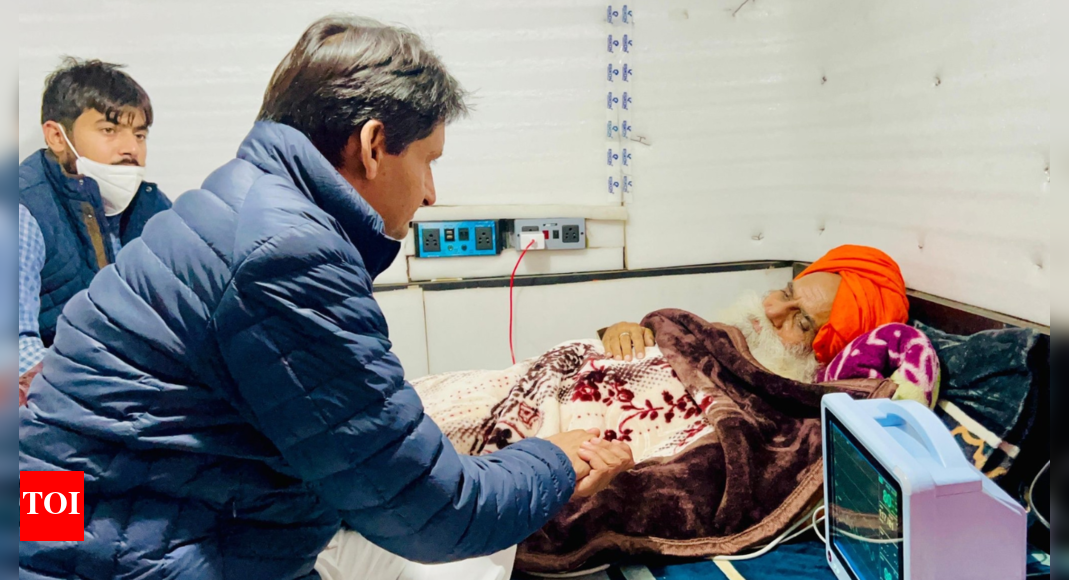
The recent meeting between Congress MP Deepender Hooda and farmer leader Jagjit Singh Dallewal underscores the ongoing tension surrounding farmer demands in India. Hooda's strong advocacy for the implementation of previously agreed-upon concessions highlights a critical point of contention between the farmers and the central government. The core issue revolves around the legal guarantee of a Minimum Support Price (MSP) for agricultural produce, a demand deeply rooted in the recommendations of the Swaminathan Committee. This committee, established to address agricultural issues and promote farmer welfare, proposed a comprehensive framework for ensuring fair prices for farmers' produce. The failure of the government to fully implement these recommendations has been a persistent source of frustration and protest among farmers' groups.
The context of this meeting is significant. Dallewal's ongoing fast is a powerful symbol of the farmers' resolve and desperation. The fact that Hooda, a prominent Congress figure, has actively joined the cause, alongside several other Congress MPs and MLAs from Haryana, indicates the political weight of the issue. Their presence at the meeting is not merely a symbolic gesture; it represents a calculated move to amplify the farmers' demands and put pressure on the central government to act. The participation of multiple elected officials also suggests a coordinated effort to build momentum and leverage political influence in pursuit of these critical demands.
The assurances given by a senior central government officer in December 2021, regarding the fulfillment of farmer demands, are now being cited as a point of breach of trust. The claim that these assurances were given in writing adds further weight to the argument that the government has failed to honor its commitment. This raises questions about the government's credibility and its commitment to resolving the farmers' concerns through dialogue and negotiation. The fact that the government has seemingly failed to engage in further discussions, as Hooda points out, intensifies the sense of urgency and disappointment felt by the farmers and their supporters. The situation underscores the fragility of the trust between the government and the farming community and calls for immediate action to address the fundamental issues raised.
The consequences of inaction could be far-reaching. The continued unrest and dissatisfaction within the farming community pose a significant challenge to the country's food security and social stability. The economic well-being of a substantial portion of the Indian population depends heavily on the agricultural sector. Any neglect of their concerns can have cascading effects on the entire economy. The current situation highlights the need for a pragmatic and empathetic approach towards resolving the farmer's concerns, not only through economic policies but also through building trust and open communication. The government's response to this renewed push for the implementation of MSP will be a critical test of its commitment to supporting its farmers and ensuring their economic well-being.
Beyond the immediate demands of MSP, the broader issue of farmer welfare and the sustainability of agricultural practices requires sustained attention. The government needs to develop comprehensive policies that address issues such as land ownership, access to credit, irrigation, and market access. This requires a multi-faceted approach that goes beyond short-term solutions and takes into account the long-term needs of the farming community. A holistic approach that considers the environmental sustainability of agricultural practices is also crucial to ensuring the long-term viability of the sector. The current situation presents an opportunity for the government to demonstrate its commitment to long-term sustainability by investing in research and development, promoting sustainable practices, and empowering farmers with the knowledge and resources they need to thrive.
In conclusion, the meeting between Deepender Hooda and Jagjit Singh Dallewal serves as a stark reminder of the unresolved issues plaguing the agricultural sector in India. The demand for MSP's legal guarantee is not merely an economic concern, but rather a fight for economic justice and social equity. The government's response to this pressure, both in terms of fulfilling its past assurances and in developing comprehensive policies for farmer welfare, will have a significant impact on the country's social and economic fabric. The success of any policy implemented depends on building a strong foundation of trust and open communication between the government and the farmers themselves.
Source: Deepender Hooda meets farmer leader Dallewal, ask govt to implement demands