
 |
|
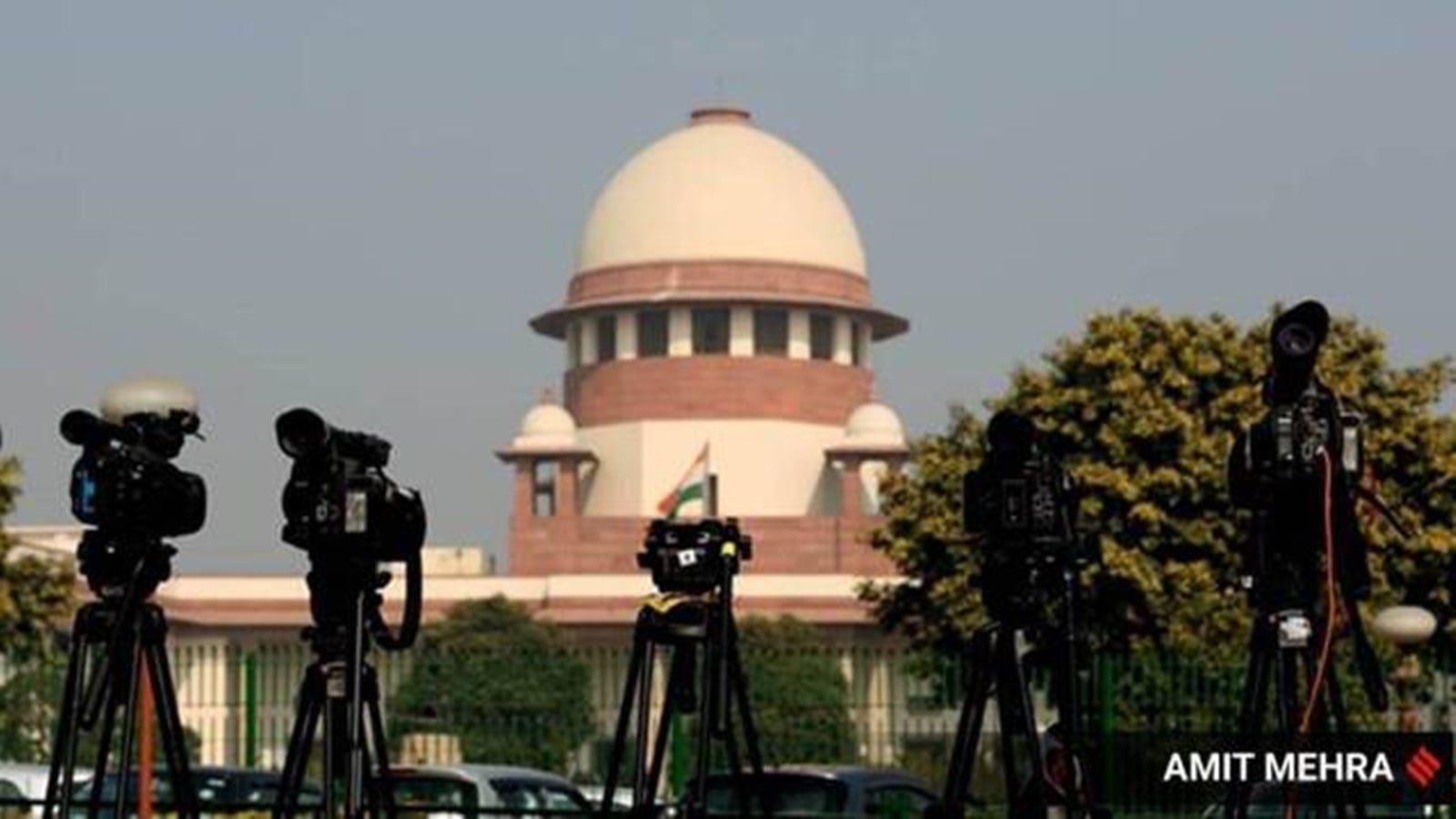
The Supreme Court of India recently delivered a landmark judgment concerning the misuse of legal provisions intended for women's welfare and the dissolution of a marriage based on irretrievable breakdown. The case highlighted a concerning trend where women leverage criminal charges, including rape, criminal intimidation, and cruelty, against their husbands, often as a tool for negotiation and leverage in matrimonial disputes. The court emphatically stated that these stringent laws are designed to protect and empower women, not to be weaponized for extortion or coercion. The justices observed that such accusations, frequently presented as a 'combined package,' were routinely condemned by the court. This practice, the judges argued, often leads to unnecessary criminal proceedings, police intervention (sometimes overly hasty), and arrests, even impacting the husband's family, including elderly or infirm relatives. Bail is often difficult to secure given the seriousness of the accusations, resulting in prolonged hardship for the accused, regardless of the actual merits of the case. The court's concern extended to the systematic escalation of minor disputes into protracted legal battles, characterized by public airing of grievances and the irreparable damage to the marital relationship. The judges explicitly cautioned women against exploiting these legal instruments for purposes beyond their intended protective function.
The specific case before the court involved a petition for the dissolution of a marriage due to its irretrievable breakdown. The husband sought the dissolution under Article 142(1) of the Constitution, while the wife initially sought a transfer of the divorce petition from Bhopal to Pune. The couple, and their families, were embroiled in numerous legal battles throughout their short marriage. The court noted the lack of sustained cohabitation, indicating the marriage had essentially failed from the outset. A significant point of contention was the issue of alimony. The wife claimed the husband possessed a substantial net worth, citing multiple businesses and properties in India and the US, and pointed to the considerable alimony paid to his previous wife as a benchmark. She sought an amount commensurate with her estranged husband's wealth, reflecting a broader trend the court criticized: the demand for wealth equalization as a standard for alimony, irrespective of the post-separation financial circumstances of the husband. The court questioned the fairness and consistency of such demands, noting that these claims are typically made only when the spouse is financially successful. The justices expressed apprehension about the potential for this approach to unfairly penalize individuals who might face financial setbacks after separation. The court emphasized that determining the appropriate alimony should consider multiple factors and that there isn't a standardized formula.
The Supreme Court ultimately dissolved the marriage, granting a mutual divorce as requested by both parties. The court considered the Pune Family Court’s assessment of Rs 10 crore as the appropriate permanent alimony and added Rs 2 crore to allow the wife to purchase another apartment, bringing the total to Rs 12 crore. This amount was determined to be a full and final settlement. It's crucial to note the court's disapproval of the tendency to view alimony as wealth equalization. The justices emphasized the varied factors involved in determining the appropriate amount, rejecting any rigid formulaic approach. Furthermore, all criminal cases filed by the wife against the husband were quashed by the court. The judgment, in essence, served as a stern warning against the misuse of legal provisions designed to safeguard women's rights, highlighting the need for responsible and ethical application of the law in matrimonial disputes. The case underscores the importance of striking a balance between protecting vulnerable spouses and preventing the abuse of legal processes for personal gain or leverage. The Supreme Court's decision provides valuable guidance to courts and individuals dealing with similar situations, emphasizing the sanctity of marriage as an institution and the need for fairness and equity in resolving matrimonial disputes.
Source: Strict provisions of law for women’s welfare; marriage not commercial venture: SC