
 |
|
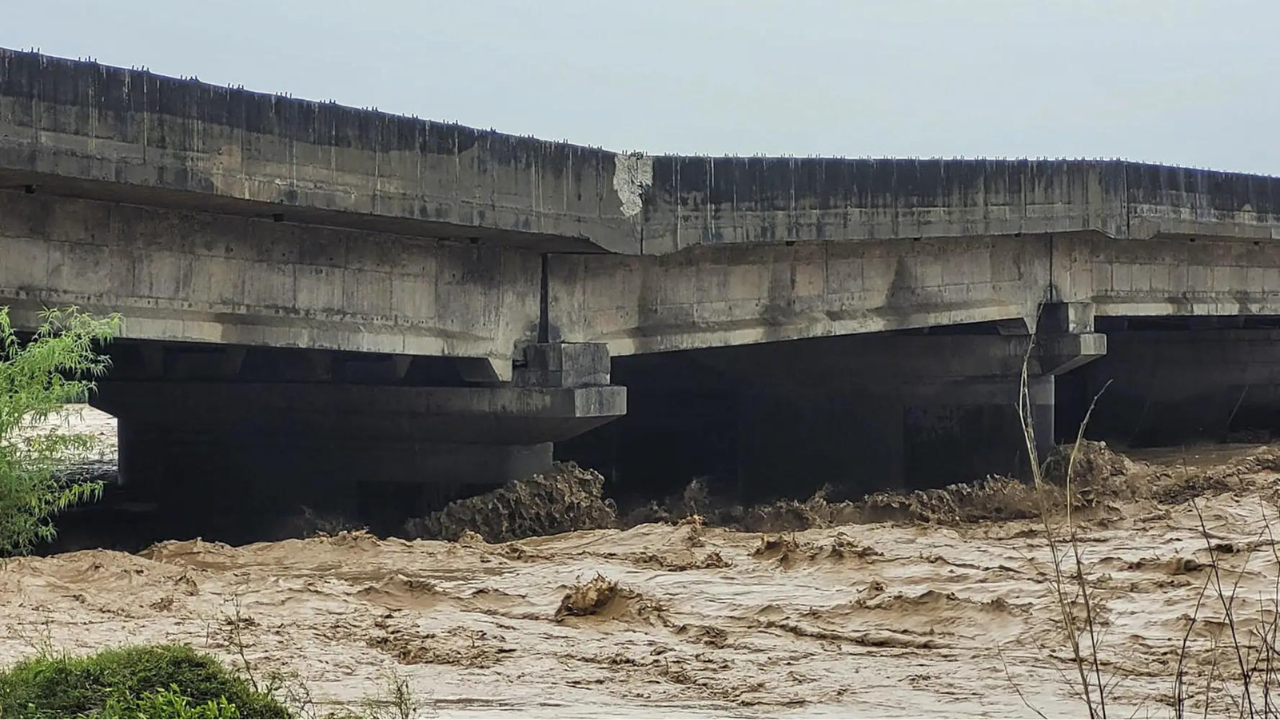
The provided article, while brief, highlights a concerning trend of increasing environmental disasters in the Jammu and Kashmir region. The frequency of these events, occurring three times within ten days, raises serious questions about the region's vulnerability to extreme weather patterns and the potential impacts of climate change. The human cost, as evidenced by the significant loss of life in Kishtwar and Kathua, underscores the urgent need for comprehensive disaster preparedness and mitigation strategies. The disruption of the Vaishno Devi Yatra, a significant pilgrimage, further emphasizes the wide-ranging consequences of these natural calamities, impacting not only local communities but also religious tourism and the regional economy. A deeper analysis of the factors contributing to these events is crucial. While the article mentions 'cloudbursts,' it doesn't delve into the specific meteorological conditions that triggered them. Investigating the role of deforestation, land degradation, and inadequate infrastructure in exacerbating the impact of heavy rainfall is essential for developing effective preventative measures. Furthermore, the response mechanisms in place need to be evaluated. Were early warning systems adequate? Were rescue operations conducted efficiently? Were affected communities provided with timely and sufficient support? These are critical questions that must be addressed to improve future disaster response efforts. The long-term implications for the region are also significant. The recurring nature of these disasters can lead to displacement, economic hardship, and psychological trauma for affected populations. Sustainable development practices, including responsible land use planning and climate-resilient infrastructure, are necessary to build resilience and reduce vulnerability to future events. International cooperation and knowledge sharing can play a vital role in supporting these efforts. Access to advanced weather forecasting technologies, best practices in disaster management, and financial assistance can help Jammu and Kashmir better prepare for and respond to the challenges posed by climate change. Furthermore, the impact of these events extends beyond the immediate casualties and physical damage. The disruption to livelihoods, agriculture, and infrastructure can have long-lasting effects on the regional economy. Investing in resilient infrastructure, promoting sustainable agriculture, and diversifying economic activities are crucial for building long-term economic security. The psychological impact on affected communities should also not be underestimated. Providing access to mental health services and trauma counseling is essential for helping people cope with the emotional toll of these disasters. Community-based disaster preparedness programs can empower local communities to take ownership of their safety and well-being. These programs can include training in first aid, search and rescue techniques, and evacuation procedures. Raising awareness about the risks of natural disasters and promoting responsible environmental practices are also important components of community-based preparedness. Finally, it is important to acknowledge the potential role of climate change in exacerbating these events. While it is difficult to attribute any single event directly to climate change, the overall trend of increasing extreme weather events is consistent with climate change projections. Reducing greenhouse gas emissions and transitioning to a low-carbon economy are essential for mitigating the long-term impacts of climate change and protecting vulnerable communities around the world. The situation in Jammu and Kashmir serves as a stark reminder of the urgent need for action to address climate change and build resilience to its impacts. The article provides a glimpse into the devastation caused by these recent calamities, but a more comprehensive and nuanced understanding is needed to develop effective solutions. A multi-faceted approach that includes scientific research, policy interventions, community engagement, and international cooperation is essential for protecting the region and its people from future disasters. This requires a significant investment in research and development to better understand the complex interactions between climate change, extreme weather events, and the vulnerability of human populations. It also requires a commitment to evidence-based policymaking and the implementation of effective adaptation and mitigation strategies. The challenges are significant, but so too is the opportunity to build a more resilient and sustainable future for Jammu and Kashmir. The lessons learned from these recent disasters can inform broader efforts to address climate change and protect vulnerable communities around the world. The importance of international collaboration cannot be overstated. Sharing knowledge, technologies, and best practices is essential for building global resilience to climate change. Developed countries have a particular responsibility to support developing countries in their efforts to adapt to and mitigate the impacts of climate change. This support can take the form of financial assistance, technology transfer, and capacity building. The human cost of these disasters is undeniable. Every life lost is a tragedy, and every community affected deserves our support. By working together, we can build a more resilient and sustainable future for all. The path forward requires a commitment to science, policy, and compassion. We must embrace the evidence of climate change and take bold action to reduce greenhouse gas emissions. We must implement policies that promote sustainable development and build resilience to extreme weather events. And we must stand in solidarity with those who are most vulnerable to the impacts of climate change.