
 |
|
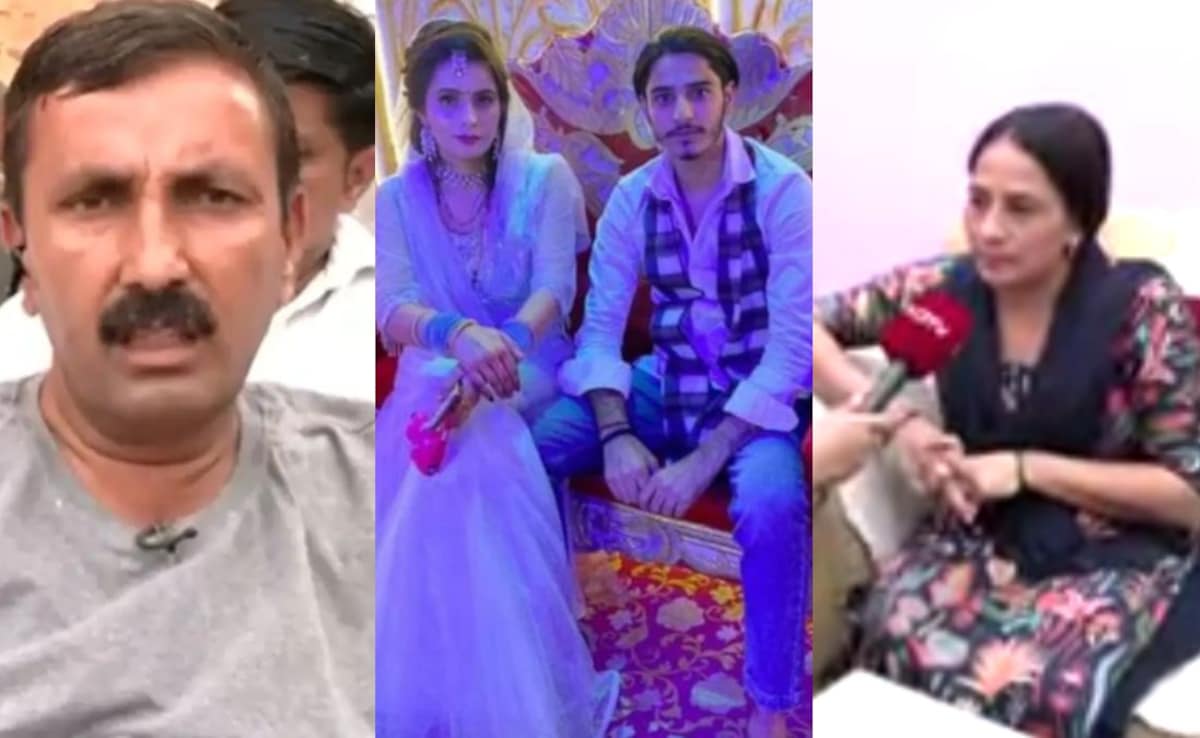
The article presents a disturbing twist in the already tragic case of Nikki Bhati, who was allegedly burned alive by her in-laws due to dowry harassment. While the initial focus was on the culpability of her husband and in-laws, new allegations have surfaced, accusing Nikki's own family of similar offenses. This revelation significantly complicates the narrative and raises unsettling questions about the prevalence of dowry-related issues within both families. The accusation comes from Minakshi, Nikki Bhati's sister-in-law and the estranged wife of her brother, Rohit Payla. Minakshi claims that she too was subjected to dowry harassment by Nikki's family after her marriage to Rohit in 2016. This development casts a shadow of doubt and introduces a complex layer of hypocrisy into the situation. It suggests that the issue of dowry, and the associated coercion and abuse, might be a deeply ingrained problem within the family structure itself, rather than being limited to Nikki's in-laws. The implication is that both families involved in this tragic situation may have perpetuated a culture of demanding and extracting dowry, regardless of the legal and ethical implications. This new accusation brings to light the complexities and the deeply rooted nature of dowry practices in certain communities. The case highlights how these practices can transcend family lines and create a cycle of abuse and exploitation, making it harder to discern victims from perpetrators. This shift in perspective also introduces an element of doubt and uncertainty into the investigation of Nikki Bhati's death. Law enforcement officials will now need to investigate both sides of the family, considering the possibility that the dowry issue and any related tensions may have been more widespread than initially believed. The need for a comprehensive and impartial investigation is paramount to ensure that justice is served and that the true circumstances of Nikki Bhati's death are uncovered, regardless of where the responsibility lies. This twist underscores the importance of understanding the broader social and cultural context in which these cases occur. Dowry is an illegal practice in India, yet it remains deeply entrenched in many communities, often leading to violence, abuse, and even death. The persistence of this practice highlights the need for continued efforts to educate and empower women, challenge traditional gender roles, and enforce existing laws against dowry demands. The case also illustrates the failure of social institutions like the village panchayat to effectively address and resolve dowry disputes. In Minakshi's case, the panchayat's proposed solutions – either returning the money spent on the wedding or accepting Minakshi back into the family – failed to resolve the underlying issues of dowry demands and family conflict. This suggests that alternative dispute resolution mechanisms, legal awareness campaigns, and stronger law enforcement are needed to effectively combat the problem of dowry harassment. The emergence of this new accusation highlights the multifaceted nature of dowry-related violence and underscores the need for a more nuanced and comprehensive approach to addressing this problem. It is no longer sufficient to simply focus on the immediate perpetrators of violence against women. It is also crucial to address the underlying social and cultural norms that perpetuate dowry demands and make women vulnerable to abuse. Furthermore, the article references the friendship between Nikki's father and her father-in-law, suggesting a history of social connection and potential mutual understanding of dowry practices. This complicates the matter further, implying that the issue of dowry might have been discussed and potentially accepted within their social circle. The claim that Nikki's father-in-law had assured Minakshi's father that he would ensure the repayment of money spent on the wedding adds another layer to the complex web of relationships and financial transactions surrounding the dowry issue. This suggests that even well-meaning individuals within the family might have been complicit in perpetuating the dowry system, inadvertently contributing to the cycle of abuse and exploitation. In conclusion, the twist in the Noida dowry case, with the allegations against Nikki Bhati's own family, dramatically alters the narrative and underscores the deep-rooted nature of dowry-related problems. This revelation calls for a broader investigation into both families and a more comprehensive approach to addressing the social and cultural norms that perpetuate dowry demands and violence against women.
The unfolding of the Nikki Bhati case reveals a grim reality of the deeply entrenched issue of dowry in Indian society, which continues to plague families and often leads to tragic consequences. While the initial focus was rightfully directed towards Nikki's in-laws for the alleged dowry harassment and subsequent burning of Nikki Bhati, the counter-accusations leveled against Nikki's own family unveil a complex web of societal pressure and familial expectations. Minakshi's claims of facing similar dowry-related demands from her husband, Rohit Payla, and his family paint a disturbing picture of a cycle of extortion and abuse that seems to have affected both sides of the familial equation. The alleged demand for a Maruti Suzuki Ciaz followed by a new Scorpio SUV and cash showcases a pattern of escalating demands that are typical in dowry-related cases. The act of selling the initial dowry gift, the Ciaz, deeming it "inauspicious", and then demanding a more expensive alternative demonstrates a disregard for the value of the gift and a blatant attempt to extract more wealth from Minakshi's family. This kind of behavior is indicative of a mentality that views women as financial burdens or assets to be exploited, rather than as individuals with inherent worth and dignity. The fact that the dispute was taken to the village panchayat highlights the role that traditional social structures play in mediating and often exacerbating dowry-related issues. The panchayat's proposal to either return the money spent on the wedding or accept Minakshi back into the family reflects a limited understanding of the problem and a failure to address the underlying issue of dowry demands. This kind of approach fails to empower women and instead reinforces the patriarchal norms that perpetuate dowry practices. It's worth noting that the fact that Minakshi was allegedly sent back to her parents' house after her family refused to meet the dowry demands is a common tactic used to exert pressure and coerce families into complying. This isolation and emotional manipulation can have devastating effects on the victim's mental and emotional well-being. The mention of Bhikhari Singh Payla, Nikki's father, being a friend of Satbir Singh, Nikki's father-in-law, reveals the interconnectedness of the families and suggests a shared understanding of dowry practices. This relationship could have potentially contributed to a normalization of dowry demands and an acceptance of the social norms that perpetuate the system. Satbir Singh's alleged intervention in Minakshi's case, urging Mr. Payla to settle the issue, further complicates the narrative and raises questions about his motivations. While he may have been trying to mediate the dispute, it's also possible that he was attempting to protect his own family's reputation and avoid any legal repercussions. The article also serves as a reminder of the horrific nature of dowry-related violence. Nikki Bhati's death, being burned alive by her in-laws, is a chilling example of the extreme lengths that some families will go to in order to extract dowry from their daughters-in-law. This kind of violence is a direct result of the devaluation of women and the belief that they are expendable if they fail to meet the financial expectations of their husbands' families. The presence of Nikki's seven-year-old son and sister as witnesses to the crime underscores the devastating impact that dowry-related violence has on families and communities. These children will likely carry the trauma of this event for the rest of their lives. In conclusion, the Nikki Bhati case is a tragic reminder of the ongoing problem of dowry in India and the urgent need for continued efforts to combat this harmful practice. The counter-accusations leveled against Nikki's own family highlight the complex web of societal pressure and familial expectations that perpetuate the cycle of extortion and abuse. Addressing this issue requires a multi-pronged approach that includes education, legal reform, and social change.
The tragic case of Nikki Bhati, initially presented as a straightforward instance of dowry death perpetrated by her husband and in-laws, has become significantly more nuanced and complex with the emergence of counter-allegations. These allegations, leveled by Nikki's sister-in-law, Minakshi, suggest that Nikki's own family might have been involved in similar practices of dowry harassment, creating a deeply disturbing and morally ambiguous situation. The accusations made by Minakshi paint a picture of a family that, while purportedly victimized by dowry demands, may have simultaneously engaged in similar behavior themselves. This revelation forces us to re-evaluate the initial narrative and consider the possibility that the issue of dowry, and the associated exploitation and abuse, might be a systemic problem within the broader family network. The alleged demands for a Maruti Suzuki Ciaz, followed by a new Scorpio SUV and cash, are indicative of a pattern of escalating demands that are often seen in dowry-related cases. The fact that Minakshi's family allegedly gave a Ciaz as dowry suggests that they were willing participants in the dowry system, albeit perhaps under pressure from social norms and expectations. The subsequent demand for a more expensive SUV and cash, however, indicates a blatant attempt to extract more wealth from Minakshi's family, regardless of their financial situation or willingness to comply. The decision to take the matter to the village panchayat highlights the limitations of traditional social structures in addressing dowry-related issues. While the panchayat may have attempted to mediate the dispute, their proposed solutions – either returning the money spent on the wedding or accepting Minakshi back into the family – failed to address the underlying issue of dowry demands and the power imbalance between the families. This suggests that alternative dispute resolution mechanisms, legal awareness campaigns, and stronger law enforcement are needed to effectively combat the problem of dowry harassment. The article also mentions that Nikki's father, Bhikhari Singh Payla, was a friend of Satbir Singh, Nikki's father-in-law. This relationship suggests a certain level of social connection and potential understanding of dowry practices between the families. It's possible that the dowry demands made against Nikki and Minakshi were seen as customary or even expected within their social circle. The fact that Satbir Singh allegedly intervened in Minakshi's case, urging Mr. Payla to settle the issue, is also noteworthy. While his motives may have been genuine, it's also possible that he was attempting to protect his family's reputation and avoid any legal repercussions. Ultimately, the emergence of these counter-allegations complicates the investigation into Nikki Bhati's death and raises questions about the motivations and actions of all parties involved. It's crucial that law enforcement officials conduct a thorough and impartial investigation, considering the possibility that the dowry issue and any related tensions may have been more widespread than initially believed. The tragic case of Nikki Bhati serves as a stark reminder of the devastating consequences of dowry practices and the urgent need for continued efforts to combat this harmful tradition. The counter-allegations leveled against Nikki's own family highlight the complex web of societal pressure and familial expectations that perpetuate the cycle of extortion and abuse. Addressing this issue requires a multi-pronged approach that includes education, legal reform, and social change. We must strive to create a society where women are valued for their inherent worth and dignity, not for their ability to provide financial security to their husbands' families. Only then can we hope to prevent future tragedies like the death of Nikki Bhati.
The revelations in the Noida dowry case, specifically the accusations leveled against Nikki Bhati's family by her sister-in-law, Minakshi, introduce a profound layer of complexity to an already tragic situation. These accusations not only challenge the initial narrative of Nikki being solely a victim of dowry harassment but also raise critical questions about the pervasiveness of such practices within the broader family network and potentially the community at large. Minakshi's assertion that she too faced dowry demands and subsequent harassment from Nikki's family after marrying Rohit Payla presents a troubling scenario. The details of the alleged demands, starting with a Maruti Suzuki Ciaz and escalating to a Scorpio SUV and cash, mirror typical patterns of dowry extortion. This suggests that the issue wasn't isolated to Nikki's marital experience but potentially ingrained within the family's culture or financial expectations. The sale of the initial dowry gift, the Ciaz, under the pretense of it being "inauspicious," further highlights the manipulative tactics often employed in dowry-related disputes. It underscores a mindset that prioritizes financial gain over genuine acceptance and respect for the daughter-in-law. The involvement of the village panchayat in attempting to resolve the dispute underscores the limitations of traditional dispute resolution mechanisms in addressing dowry-related issues effectively. The proposed solutions, focusing on monetary compensation or reconciliation, fail to tackle the underlying systemic problems of dowry demand and the power dynamics it reinforces. The unresolved dispute and Minakshi's eventual separation from her husband's family further illustrate the ineffectiveness of these traditional approaches in preventing and addressing dowry-related abuse. The friendship between Nikki's father, Bhikhari Singh Payla, and her father-in-law, Satbir Singh, adds another layer of complexity. This connection suggests a potential understanding or even normalization of dowry practices within their social circle. Satbir Singh's alleged intervention in Minakshi's case, while seemingly intended to mediate, could also be interpreted as an attempt to protect his family's reputation and prevent legal repercussions. Furthermore, the reference to the amount spent on Minakshi's wedding highlights the commodification of marriage and the expectation that the bride's family will bear significant financial burdens. This expectation fuels the dowry system and perpetuates the cycle of abuse and exploitation. The new revelations in the Nikki Bhati case emphasize the need for a more comprehensive and nuanced understanding of dowry practices. It's no longer sufficient to view these cases as isolated incidents of individual wrongdoing. Instead, they must be recognized as symptoms of deeper societal problems that require systemic solutions. These solutions must include: Stronger enforcement of existing anti-dowry laws, increased public awareness campaigns to challenge dowry practices, empowering women through education and economic opportunities, providing support and resources for victims of dowry harassment, engaging community leaders and religious figures to condemn dowry practices, reforming traditional dispute resolution mechanisms to better protect women's rights. In conclusion, the Nikki Bhati case serves as a stark reminder of the enduring and devastating impact of dowry practices. The accusations against Nikki's family highlight the complex web of societal pressure, familial expectations, and financial incentives that perpetuate the cycle of dowry-related abuse. Addressing this issue requires a concerted effort from all stakeholders to challenge the underlying norms and create a society where women are valued for their inherent worth and dignity, not for their ability to provide financial gain to their husbands' families.
The dramatic twist in the Noida dowry death case, with allegations surfacing against Nikki Bhati's own family, significantly complicates the narrative and forces a re-evaluation of the situation. Initially, the case seemed to be a clear-cut example of dowry harassment leading to a tragic death, with Nikki's husband and in-laws accused of burning her alive. However, Minakshi's accusations introduce a counter-narrative, suggesting that dowry demands and harassment might have been a systemic issue within both families. The article highlights the complexities of dowry practices and how they can manifest within different social contexts. Minakshi's claims of facing dowry demands from Nikki's family, including a Maruti Suzuki Ciaz followed by a Scorpio SUV and cash, mirror the same patterns of extortion that Nikki allegedly experienced. This raises questions about the family dynamics and whether dowry demands were a normalized practice within their social circle. The intervention of the village panchayat in Minakshi's case further underscores the limitations of traditional dispute resolution mechanisms in addressing dowry-related issues. The panchayat's proposed solutions, either returning the wedding expenses or accepting Minakshi back into the family, fail to address the underlying issues of dowry demands and the power imbalance between the families. Furthermore, the article mentions the friendship between Nikki's father, Bhikhari Singh Payla, and her father-in-law, Satbir Singh. This connection raises the possibility that dowry practices were discussed and possibly accepted within their social circle, contributing to the normalization of these harmful customs. The accusations against Nikki's family also raise questions about their own motivations and whether they were genuinely victims of dowry harassment or were complicit in perpetuating the system. It's possible that they faced pressure from their in-laws while simultaneously demanding dowry from their own daughters-in-law. The case of Nikki Bhati serves as a reminder of the urgent need to address the root causes of dowry practices and to challenge the social norms that perpetuate these harmful customs. This requires a multi-faceted approach that includes: Strengthening anti-dowry laws and ensuring their effective enforcement, raising public awareness about the harmful effects of dowry, empowering women through education and economic opportunities, providing support and resources for victims of dowry harassment, engaging community leaders and religious figures to condemn dowry practices. The allegations against Nikki's family highlight the need for a comprehensive and impartial investigation into all aspects of the case. It's crucial to uncover the truth and hold all those responsible for any wrongdoing accountable. The tragic death of Nikki Bhati should serve as a catalyst for change and inspire a renewed commitment to eradicating dowry practices in India. Only then can we hope to prevent future tragedies and create a society where women are valued for their inherent worth and dignity, not for their ability to provide financial gain to their husbands' families.
Source: Twist In Noida Dowry Case, Nikki Bhati's Sister-In-Law Makes Big Allegation