
 |
|
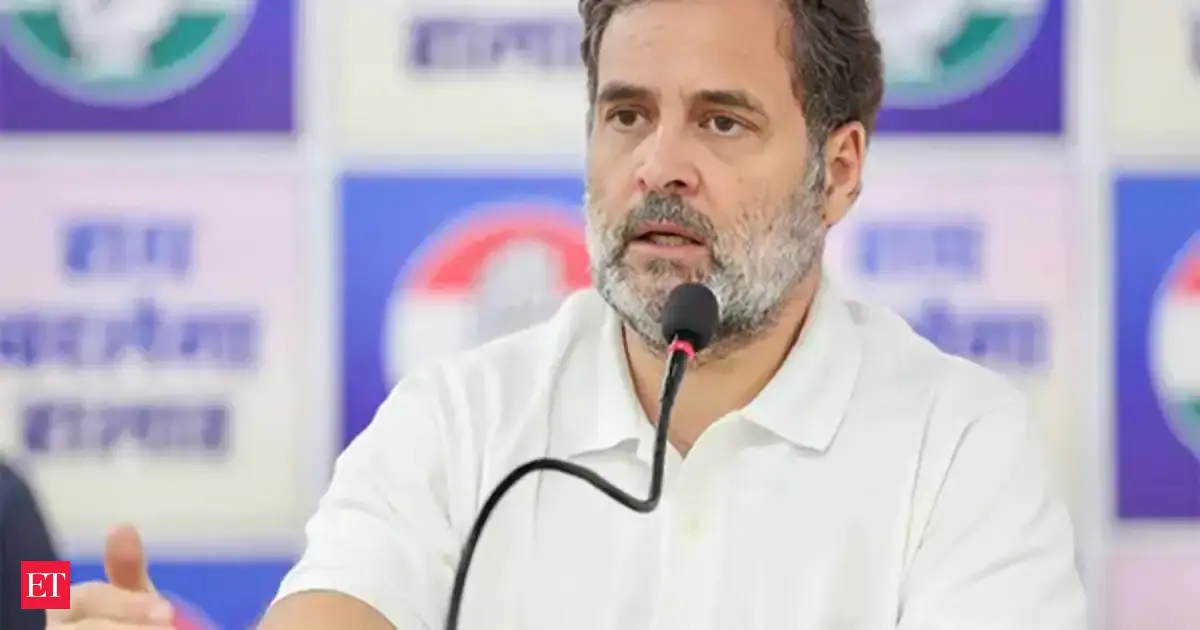
Rahul Gandhi's recent letter to Prime Minister Narendra Modi highlights a critical issue plaguing the education system in India: the inadequate support and resources available to students from Other Backward Classes (OBC) and other marginalized communities. The letter, stemming from Gandhi's personal observations during a visit to a university hostel in Bihar, points to systemic failures in the distribution of post-matric scholarships and the deplorable living conditions in residential hostels meant for these students. This intervention underscores the urgent need for government attention and action to address these disparities and ensure equitable access to education for all. The core of Gandhi's concern revolves around two key problems. Firstly, the delayed and often irregular disbursement of post-matric scholarships significantly hinders the educational progress of students from backward communities. These scholarships are intended to provide financial assistance for students pursuing higher education after completing their secondary schooling. Delays in receiving these funds can create immense hardship, forcing students to drop out or compromise their studies. Many students from marginalized communities rely heavily on these scholarships to cover tuition fees, accommodation costs, and other essential expenses. When these funds are not received in a timely manner, students are left struggling to make ends meet, often having to choose between their education and basic necessities. The delays can also have a ripple effect, impacting their academic performance and overall well-being. The financial strain can lead to increased stress, anxiety, and a feeling of disillusionment, ultimately undermining their potential and future prospects. Secondly, the appalling conditions in residential hostels for students from Dalit, Scheduled Tribe (ST), Extremely Backward Classes (EBC), OBC, and minority communities are a serious cause for concern. These hostels, often overcrowded and lacking basic amenities, fail to provide a conducive environment for learning and personal development. Overcrowding leads to a lack of privacy and personal space, making it difficult for students to concentrate on their studies. Inadequate sanitation facilities can pose serious health risks, increasing the likelihood of illness and absenteeism. Poorly maintained infrastructure, including leaking roofs, broken furniture, and inadequate lighting, creates an uncomfortable and discouraging atmosphere. The lack of access to essential amenities such as clean drinking water, nutritious food, and reliable internet connectivity further exacerbates the challenges faced by these students. Gandhi's letter rightly emphasizes the need for regular audits of these hostels to ensure that they meet minimum standards of hygiene, safety, and comfort. These audits should be conducted by independent and impartial bodies to ensure transparency and accountability. The findings of these audits should be made public, and corrective measures should be taken promptly to address any deficiencies. In addition to improving the physical infrastructure of the hostels, it is also crucial to provide adequate support services to the students residing in them. This includes access to counseling, tutoring, and career guidance. Many students from marginalized communities face unique challenges, such as language barriers, cultural differences, and a lack of family support. Providing them with the necessary support services can help them overcome these challenges and succeed in their studies. Gandhi's call for enhanced and regular payment of pre-matric scholarships is equally important. These scholarships provide financial assistance to students from marginalized communities at the primary and secondary school levels, helping to ensure that they have access to quality education from an early age. Regular and timely disbursement of these scholarships can prevent students from dropping out of school due to financial constraints. Enhanced scholarship amounts can help to cover the rising costs of education, including tuition fees, textbooks, and school uniforms. Investing in pre-matric scholarships is a crucial step towards breaking the cycle of poverty and inequality. By providing financial assistance to students from marginalized communities at an early age, we can help them to develop their full potential and contribute to society. The issues raised by Rahul Gandhi in his letter are not new. For years, activists, educators, and social workers have been highlighting the challenges faced by students from marginalized communities in accessing quality education. However, the government's response has often been inadequate and piecemeal. A more comprehensive and coordinated approach is needed to address these systemic problems. This requires a multi-pronged strategy that includes increased funding for scholarships, improved infrastructure in hostels, enhanced support services for students, and stricter monitoring and accountability. The government must also address the underlying social and economic inequalities that contribute to the marginalization of these communities. This includes tackling issues such as caste discrimination, poverty, and lack of access to healthcare and other essential services. Only by addressing these root causes can we create a truly equitable and inclusive education system. The fact that these issues are particularly acute in poll-bound Bihar underscores the political dimensions of the problem. Politicians often make promises to address the concerns of marginalized communities during election campaigns, but these promises are rarely fulfilled once they are in power. This creates a sense of cynicism and disillusionment among these communities, further undermining their faith in the political system. It is essential for politicians to move beyond empty rhetoric and take concrete action to address the challenges faced by students from marginalized communities. This requires a genuine commitment to social justice and a willingness to challenge the status quo. The education system in India has the potential to be a powerful engine for social mobility and economic development. However, this potential can only be realized if we ensure that all students, regardless of their caste, class, or background, have access to quality education. By addressing the issues raised by Rahul Gandhi in his letter, we can take a significant step towards creating a more equitable and just society. The government must prioritize education as a key pillar of its development agenda and invest in the future of all its citizens. Only then can we hope to build a truly prosperous and inclusive India. The conditions that Rahul Gandhi points to are systemic and require a complete overhaul of existing practices. Furthermore, the lack of adequate infrastructure also extends beyond hostels. Classrooms, libraries, and laboratories in many educational institutions catering to marginalized communities are often poorly equipped and maintained. This creates a significant disadvantage for students from these communities, making it difficult for them to compete with their peers from more privileged backgrounds. Investing in the infrastructure of educational institutions is crucial for creating a level playing field and ensuring that all students have access to quality education. This includes providing adequate funding for the construction and maintenance of classrooms, libraries, laboratories, and other essential facilities. It also includes ensuring that these facilities are accessible to students with disabilities. In addition to improving the physical infrastructure, it is also important to invest in the training and development of teachers. Many teachers in schools and colleges catering to marginalized communities lack the necessary skills and knowledge to effectively teach students from diverse backgrounds. Providing them with ongoing professional development opportunities can help them to improve their teaching skills and create a more engaging and supportive learning environment. This includes training in culturally responsive teaching practices, differentiated instruction, and the use of technology in the classroom. It is also important to provide teachers with adequate support and resources, such as access to mentoring, coaching, and peer collaboration. Finally, it is essential to involve the community in the education process. Parents, community leaders, and other stakeholders can play a vital role in supporting students and advocating for their needs. Creating opportunities for community involvement can help to build stronger relationships between schools and communities and ensure that the education system is responsive to the needs of all students. This includes establishing parent-teacher associations, organizing community events, and providing opportunities for community members to volunteer in schools. By working together, schools, communities, and families can create a supportive and nurturing environment that helps all students to succeed. Gandhi's letter serves as a call to action, urging the Prime Minister to prioritize the needs of OBC students and take immediate steps to address the systemic challenges they face. The future of India depends on its ability to provide quality education to all its citizens, regardless of their background. By investing in the education of marginalized communities, we can unlock their potential and create a more prosperous and equitable society. The issues that Rahul Gandhi has brought up require not only government attention, but also sustained public discourse and active participation from civil society. Creating awareness about the challenges faced by OBC students and other marginalized communities is crucial for mobilizing support and advocating for change. This can be done through public education campaigns, media outreach, and community organizing. It is also important to engage with policymakers and advocate for policies that promote equity and inclusion in the education system. This includes lobbying for increased funding for scholarships, improved infrastructure in hostels, and enhanced support services for students. By working together, we can create a more just and equitable education system that benefits all students. The time for complacency is over. The future of India depends on our ability to provide quality education to all its citizens, regardless of their background. By addressing the issues raised by Rahul Gandhi in his letter, we can take a significant step towards creating a more prosperous and equitable society. The government must act now to ensure that all students have the opportunity to reach their full potential. The focus should be on long-term sustainable solutions, not just temporary fixes.
The historical context of the marginalization of OBC communities in India is crucial to understanding the current challenges they face in accessing quality education. For centuries, these communities have been subjected to social discrimination, economic exploitation, and political exclusion. This has resulted in a lack of access to education, healthcare, and other essential services. The caste system, which is deeply ingrained in Indian society, has played a significant role in perpetuating these inequalities. OBC communities have traditionally been placed lower in the caste hierarchy, which has limited their opportunities for social mobility and economic advancement. The government has implemented various affirmative action policies, such as reservations in education and employment, to address these historical injustices. However, these policies have not been fully effective in leveling the playing field. Many OBC students continue to face discrimination and prejudice in educational institutions. They may be subjected to subtle forms of bias from teachers and peers, which can undermine their confidence and academic performance. It is essential to address these underlying issues of caste discrimination and social prejudice in order to create a truly equitable education system. This requires a multi-pronged approach that includes education, awareness campaigns, and legal reforms. Schools and colleges should implement anti-discrimination policies and provide training to teachers and students on how to combat caste-based bias. The government should also strengthen legal protections for OBC students and ensure that those who are found guilty of discrimination are held accountable. In addition to addressing caste discrimination, it is also important to address the economic inequalities that contribute to the marginalization of OBC communities. Many OBC families live in poverty and lack access to basic necessities such as food, shelter, and healthcare. This can have a significant impact on their children's education. Children from poor families may be forced to drop out of school to work and support their families. They may also suffer from malnutrition and health problems, which can affect their ability to learn. The government should implement policies that address poverty and inequality, such as providing income support to low-income families, expanding access to affordable healthcare, and creating job opportunities in rural areas. By addressing these underlying social and economic inequalities, we can create a more supportive and nurturing environment for OBC students and help them to succeed in their studies. The issue of scholarships must also be addressed as one of efficient delivery and equitable distribution. Current mechanisms often involve bureaucratic hurdles, leading to delays and corruption. Streamlining the application process, leveraging technology for transparent fund disbursement, and establishing grievance redressal mechanisms are essential steps. Collaboration with local community organizations can also ensure that scholarships reach the most deserving students. Furthermore, the quality of education provided in institutions catering to OBC students requires immediate attention. Curriculum development, teacher training, and infrastructure improvements are crucial. Bridging the digital divide by providing access to computers and internet connectivity is also necessary to prepare students for the modern workforce. Incorporating vocational training programs can equip students with skills that are relevant to the local economy. This will increase their employability and reduce their dependence on government assistance. The long-term impact of addressing these issues will be far-reaching. It will not only improve the educational outcomes of OBC students, but also contribute to the overall economic and social development of India. By investing in the education of marginalized communities, we can unlock their potential and create a more prosperous and equitable society. It is time for the government to take decisive action and implement comprehensive reforms that address the systemic challenges faced by OBC students. The future of India depends on it. The neglect of OBC students and other marginalized communities is a betrayal of the constitutional principles of equality and social justice. The government has a moral and legal obligation to ensure that all citizens have access to quality education, regardless of their caste, class, or background. It is time for the government to fulfill this obligation and create a truly inclusive education system that benefits all students. Rahul Gandhi's letter is a reminder of the urgent need for action. The government must heed his call and take immediate steps to address the challenges faced by OBC students. The future of India depends on it. The success of any initiative depends on strong leadership and effective coordination. The government must establish a high-level committee to oversee the implementation of reforms and ensure that progress is being made. This committee should include representatives from government agencies, educational institutions, community organizations, and student groups. The committee should be responsible for developing a comprehensive action plan, setting measurable goals, and monitoring progress. It should also be empowered to take corrective action when necessary. In addition to strong leadership, effective coordination is also essential. The government must ensure that all relevant government agencies are working together to address the challenges faced by OBC students. This includes the Ministry of Education, the Ministry of Social Justice and Empowerment, and the Ministry of Rural Development. Regular meetings should be held to facilitate communication and coordination between these agencies. The government should also establish a single point of contact for individuals and organizations seeking information or assistance related to OBC education. By establishing strong leadership and effective coordination, the government can ensure that reforms are implemented effectively and that progress is being made towards creating a more equitable education system.
In conclusion, Rahul Gandhi's letter to Prime Minister Narendra Modi serves as a crucial reminder of the persistent inequalities within India's education system, particularly concerning students from Other Backward Classes (OBC) and other marginalized communities. The letter highlights the urgent need for government intervention to address the delays in the distribution of post-matric scholarships and the deplorable conditions in residential hostels. These systemic failures not only hinder the educational progress of these students but also perpetuate a cycle of poverty and inequality. The issues raised by Gandhi are not isolated incidents but reflect a deeper, more pervasive problem that requires a comprehensive and coordinated approach. This approach must include increased funding for scholarships, improved infrastructure in hostels, enhanced support services for students, and stricter monitoring and accountability. Furthermore, it is essential to address the underlying social and economic inequalities that contribute to the marginalization of these communities, such as caste discrimination, poverty, and lack of access to healthcare and other essential services. Only by tackling these root causes can India create a truly equitable and inclusive education system. The government must prioritize education as a key pillar of its development agenda and invest in the future of all its citizens. This requires a genuine commitment to social justice and a willingness to challenge the status quo. The implementation of reforms must be overseen by strong leadership and effective coordination. A high-level committee should be established to develop a comprehensive action plan, set measurable goals, and monitor progress. This committee should include representatives from government agencies, educational institutions, community organizations, and student groups. By working together, schools, communities, and families can create a supportive and nurturing environment that helps all students to succeed. Rahul Gandhi's letter is a call to action, urging the Prime Minister to prioritize the needs of OBC students and take immediate steps to address the systemic challenges they face. The future of India depends on its ability to provide quality education to all its citizens, regardless of their background. By investing in the education of marginalized communities, we can unlock their potential and create a more prosperous and equitable society. It is time for the government to take decisive action and implement comprehensive reforms that address the systemic challenges faced by OBC students. The future of India depends on it. The neglect of OBC students and other marginalized communities is a betrayal of the constitutional principles of equality and social justice. The government has a moral and legal obligation to ensure that all citizens have access to quality education, regardless of their caste, class, or background. It is time for the government to fulfill this obligation and create a truly inclusive education system that benefits all students. The issues that Rahul Gandhi has brought up require not only government attention, but also sustained public discourse and active participation from civil society. Creating awareness about the challenges faced by OBC students and other marginalized communities is crucial for mobilizing support and advocating for change. This can be done through public education campaigns, media outreach, and community organizing. The long-term impact of addressing these issues will be far-reaching. It will not only improve the educational outcomes of OBC students, but also contribute to the overall economic and social development of India. By investing in the education of marginalized communities, we can unlock their potential and create a more prosperous and equitable society. The conditions that Rahul Gandhi points to are systemic and require a complete overhaul of existing practices. Furthermore, the lack of adequate infrastructure also extends beyond hostels. Classrooms, libraries, and laboratories in many educational institutions catering to marginalized communities are often poorly equipped and maintained. This creates a significant disadvantage for students from these communities, making it difficult for them to compete with their peers from more privileged backgrounds. Investing in the infrastructure of educational institutions is crucial for creating a level playing field and ensuring that all students have access to quality education. In addition to improving the physical infrastructure, it is also important to invest in the training and development of teachers. Many teachers in schools and colleges catering to marginalized communities lack the necessary skills and knowledge to effectively teach students from diverse backgrounds. The issue of scholarships must also be addressed as one of efficient delivery and equitable distribution. Current mechanisms often involve bureaucratic hurdles, leading to delays and corruption. Streamlining the application process, leveraging technology for transparent fund disbursement, and establishing grievance redressal mechanisms are essential steps. It is essential for politicians to move beyond empty rhetoric and take concrete action to address the challenges faced by students from marginalized communities. This requires a genuine commitment to social justice and a willingness to challenge the status quo. The education system in India has the potential to be a powerful engine for social mobility and economic development. However, this potential can only be realized if we ensure that all students, regardless of their caste, class, or background, have access to quality education. By addressing the issues raised by Rahul Gandhi in his letter, we can take a significant step towards creating a more equitable and just society. The government must prioritize education as a key pillar of its development agenda and invest in the future of all its citizens. Only then can we hope to build a truly prosperous and inclusive India. It is crucial to acknowledge that the implementation of effective solutions requires not only financial investment but also a shift in mindset. This includes challenging deeply ingrained biases and prejudices that perpetuate inequality. Educational institutions must create a culture of inclusivity and respect, where all students feel valued and supported. Teachers and administrators must be trained to recognize and address implicit biases and to create a learning environment that is culturally sensitive and responsive to the needs of all students. Furthermore, it is important to empower students from marginalized communities to become agents of change. This can be done by providing them with opportunities to participate in decision-making processes, to develop their leadership skills, and to advocate for their rights. By empowering students, we can create a more just and equitable education system that benefits all members of society.
Source: Rahul Gandhi urges PM Modi to end woes of OBC students