
 |
|
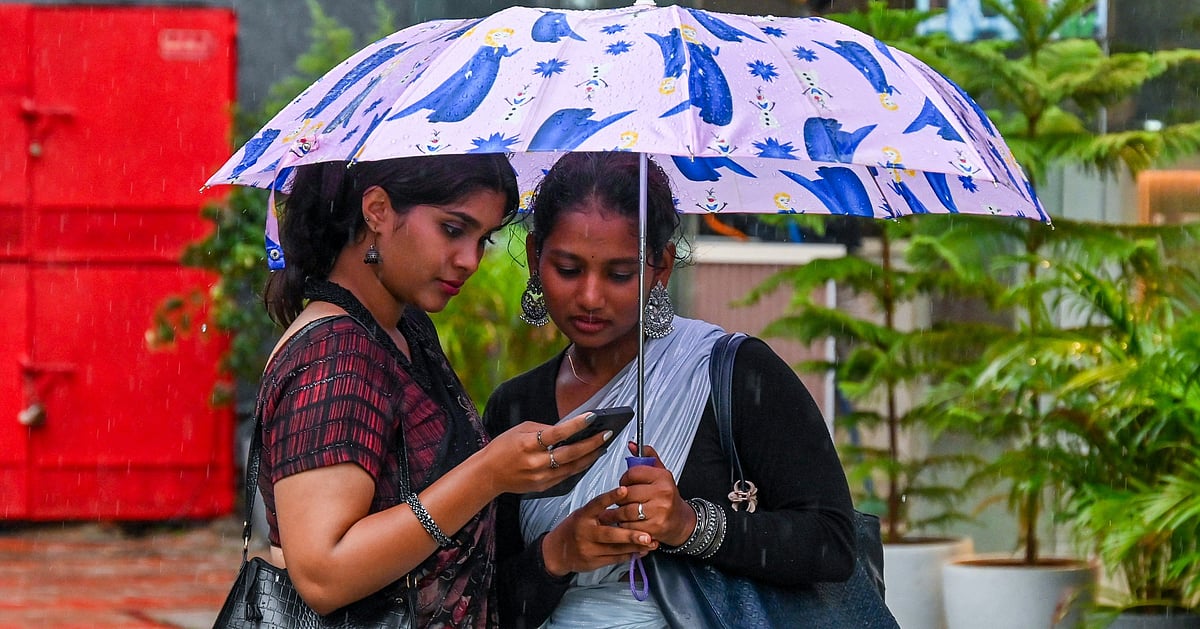
The return of rain to Bengaluru has predictably brought with it the familiar woes of waterlogged roads and crippling traffic jams, disrupting the daily lives of its residents. This pattern, a recurring feature of the city's monsoon season, underscores the urgent need for improved urban planning and infrastructure development to mitigate the adverse effects of heavy rainfall. While the amount of rainfall recorded by the India Meteorological Department (IMD) might seem modest – 5.5 mm at Bengaluru City, 5.3 mm at HAL Airport, and 3.0 mm at KIAL – even relatively light showers can overwhelm the city's drainage systems, leading to widespread flooding and gridlock. The consequences of these recurring disruptions extend far beyond mere inconvenience; they impact the city's economy, the well-being of its citizens, and the overall perception of Bengaluru as a global hub. The waterlogging not only impedes the movement of vehicles but also damages infrastructure, increases the risk of accidents, and creates unsanitary conditions that can lead to the spread of waterborne diseases. For commuters, the daily ordeal of navigating flooded roads and enduring lengthy traffic delays results in lost productivity, increased stress levels, and a significant drain on their time and resources. Businesses also suffer as supply chains are disrupted, employees are unable to reach their workplaces on time, and customer footfall declines. Moreover, the recurring flooding raises concerns about the city's preparedness to handle more extreme weather events, which are becoming increasingly common due to climate change. The IMD's data, while providing a snapshot of the rainfall distribution, only tells part of the story. The underlying issues that contribute to Bengaluru's vulnerability to flooding are complex and multifaceted, encompassing inadequate drainage infrastructure, encroachment on natural water bodies, and a lack of coordinated planning between different government agencies. The city's drainage system, much of which was designed decades ago, is simply not equipped to handle the increased rainfall intensity and volume that are now commonplace. The rampant urbanization and construction activities have further exacerbated the problem by reducing the amount of permeable land available to absorb rainwater, leading to increased runoff and flooding. The encroachment on lakes and wetlands, which historically served as natural flood storage areas, has also diminished the city's capacity to manage excess water. Addressing these challenges requires a comprehensive and integrated approach that involves upgrading the drainage infrastructure, restoring and protecting natural water bodies, and implementing stricter land-use regulations. Investing in modern drainage technologies, such as stormwater harvesting systems and permeable pavements, can help to reduce runoff and alleviate flooding. Cleaning and desilting existing drains regularly is also essential to ensure their effective functioning. Restoring and protecting lakes and wetlands can enhance the city's natural flood storage capacity and provide additional benefits, such as improved water quality and biodiversity. Stricter land-use regulations are needed to prevent further encroachment on water bodies and to ensure that new developments are designed in a way that minimizes their impact on drainage patterns. Furthermore, improved coordination between different government agencies is crucial to ensure that infrastructure projects are planned and implemented in a coordinated manner. A holistic approach to urban planning that takes into account the interconnectedness of different systems is essential to building a more resilient and sustainable city. The Bengaluru example serves as a cautionary tale for other rapidly growing urban centers around the world. As cities become increasingly vulnerable to the impacts of climate change, it is imperative that they prioritize investments in infrastructure and implement policies that promote resilience and sustainability. Ignoring these challenges will only lead to more frequent and severe disruptions, undermining the quality of life for residents and hindering economic growth. The city's government needs to invest in real-time monitoring systems that can provide early warnings of potential flooding events, allowing for timely interventions to minimize the impact. This includes deploying sensors in vulnerable areas to track water levels and using weather forecasting models to predict rainfall patterns. Public awareness campaigns can also play a crucial role in educating citizens about flood preparedness and promoting responsible behavior, such as avoiding driving through flooded areas and properly disposing of waste to prevent drainage blockages. Long-term solutions will require a shift in mindset, with a greater emphasis on sustainable urban development and environmental conservation. This includes promoting green infrastructure, such as urban forests and green roofs, which can help to absorb rainwater and reduce the urban heat island effect. It also requires encouraging the use of public transportation and promoting cycling and walking to reduce traffic congestion and air pollution. Ultimately, creating a more resilient and sustainable Bengaluru will require a collaborative effort involving government agencies, businesses, and citizens. By working together, the city can overcome the challenges of urbanization and climate change and create a more livable and prosperous future for all.
Beyond the immediate impact of traffic jams and waterlogged roads, the recurring episodes of flooding in Bengaluru raise fundamental questions about the city's long-term sustainability. The rapid pace of urbanization, coupled with inadequate planning and a lack of enforcement of regulations, has created a situation where even moderate rainfall can trigger significant disruptions. The focus on short-term economic gains has often come at the expense of environmental protection, leading to the degradation of natural resources and increased vulnerability to climate-related risks. The encroachment on lakes and wetlands, for instance, has not only reduced the city's capacity to manage excess water but has also contributed to the decline in groundwater levels and the loss of biodiversity. The lack of effective waste management systems has further exacerbated the problem by clogging drains and polluting water bodies. The reliance on private vehicles as the primary mode of transportation has also contributed to the city's vulnerability. The sheer volume of traffic on the roads increases the likelihood of gridlock during heavy rainfall, while the emissions from vehicles contribute to air pollution and greenhouse gas emissions. A more sustainable transportation system that prioritizes public transportation, cycling, and walking is essential to reducing congestion and improving air quality. The challenge lies in shifting away from a car-centric model of urban development and creating a more integrated and multimodal transportation network. This requires significant investments in public transportation infrastructure, such as bus rapid transit systems and metro lines, as well as the creation of dedicated cycling lanes and pedestrian walkways. Incentivizing the use of public transportation through measures such as congestion pricing and parking restrictions can also help to reduce reliance on private vehicles. In addition to addressing the transportation sector, it is also crucial to promote sustainable building practices. Green building standards can help to reduce the energy consumption of buildings, conserve water, and minimize waste generation. Incorporating green roofs and vertical gardens can also help to absorb rainwater and reduce the urban heat island effect. Furthermore, promoting the use of renewable energy sources, such as solar and wind power, can help to reduce the city's carbon footprint. The transition to a more sustainable urban environment requires a holistic approach that considers the interconnectedness of different systems. It is not enough to simply address individual issues in isolation; rather, a coordinated effort is needed to address the root causes of the problems and create a more resilient and sustainable city. This requires a long-term vision and a commitment to investing in infrastructure and implementing policies that promote environmental protection and social equity. The citizens of Bengaluru also have a crucial role to play in creating a more sustainable city. By adopting more sustainable lifestyles, such as reducing their consumption of energy and water, using public transportation, and properly disposing of waste, individuals can contribute to reducing the city's environmental impact. Citizen participation in urban planning processes can also help to ensure that the needs and concerns of the community are taken into account. Ultimately, the future of Bengaluru depends on the collective actions of government agencies, businesses, and citizens. By working together, the city can overcome the challenges of urbanization and climate change and create a more livable and prosperous future for all.
The situation in Bengaluru highlights the broader challenges faced by many rapidly growing cities in developing countries. The pressure to accommodate a growing population and meet the demands of a booming economy often leads to unsustainable development practices that undermine environmental sustainability and social equity. The lack of adequate infrastructure, coupled with weak governance and corruption, can further exacerbate these challenges. However, there are also examples of cities that have successfully managed to balance economic growth with environmental protection and social equity. These cities have implemented innovative policies and invested in infrastructure that promotes sustainability and resilience. They have also fostered a culture of innovation and collaboration, bringing together government agencies, businesses, and citizens to address the challenges facing the city. One example is Curitiba, Brazil, which has become a global model for sustainable urban development. Curitiba has implemented a comprehensive bus rapid transit system, created an extensive network of parks and green spaces, and promoted recycling and waste reduction. As a result, the city has achieved a high quality of life while minimizing its environmental impact. Another example is Copenhagen, Denmark, which is aiming to become the world's first carbon-neutral capital city by 2025. Copenhagen has invested heavily in renewable energy, promoted cycling and walking, and implemented strict building codes to reduce energy consumption. The city has also focused on creating a vibrant and livable urban environment, with a strong emphasis on public spaces and cultural amenities. These examples demonstrate that it is possible to create sustainable and resilient cities, even in the face of rapid urbanization and climate change. However, it requires a long-term vision, a commitment to investing in infrastructure, and a willingness to embrace innovative solutions. It also requires a strong emphasis on citizen participation and a commitment to promoting social equity. The key to success lies in adopting a holistic approach that considers the interconnectedness of different systems and addresses the root causes of the challenges facing the city. This requires a shift in mindset, away from a focus on short-term economic gains and towards a more sustainable and equitable future. The lessons learned from cities like Curitiba and Copenhagen can provide valuable insights for other rapidly growing cities around the world, including Bengaluru. By adopting similar policies and strategies, these cities can create a more livable and prosperous future for their residents while minimizing their environmental impact. Ultimately, the future of urban development depends on our ability to create cities that are both economically vibrant and environmentally sustainable. This requires a commitment to innovation, collaboration, and a long-term vision for a better future.
Source: Bengaluru: Rain returns, so do waterlogged roads, traffic jams