
 |
|
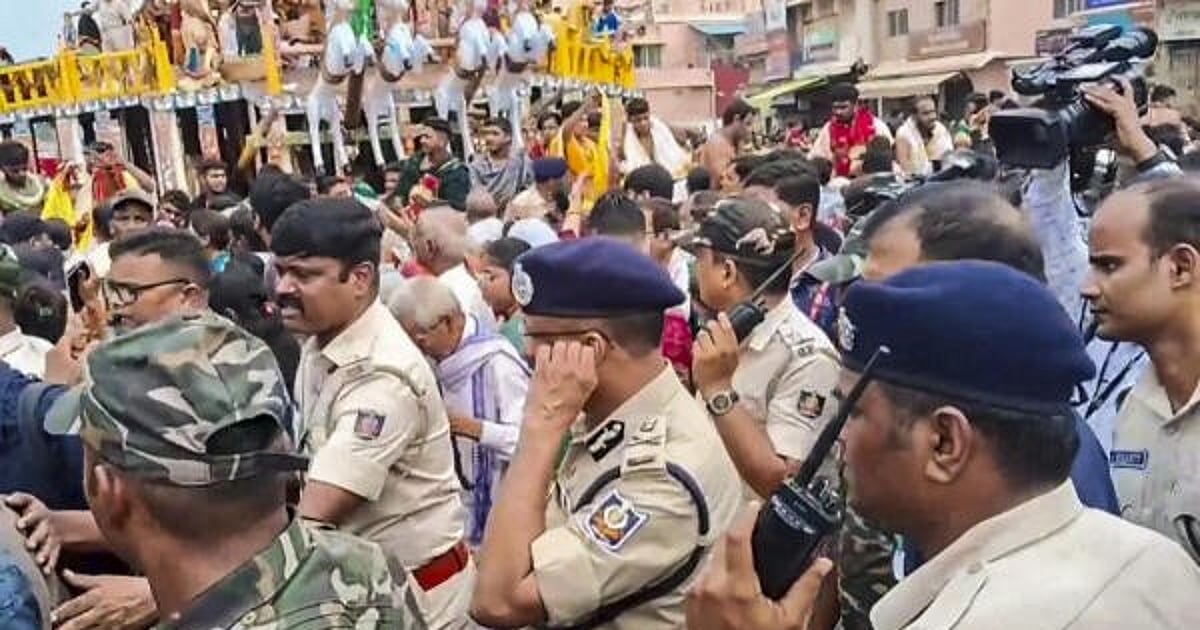
The Rath Yatra festival, a significant event in Odisha, India, is marked by the ceremonial procession of deities Lord Jagannath, Lord Balabhadra, and Devi Subhadra. These deities are transported from the Jagannath Temple in Puri to the Gundicha Temple, a journey that symbolizes a temporary sojourn for the gods. This year's Rath Yatra was marred by a tragic stampede near the Shree Gundicha Temple, resulting in the loss of three lives. The incident occurred during a specific ceremony associated with the festival, highlighting the inherent risks associated with large gatherings, especially in densely populated areas. The immediate aftermath of the stampede saw the Odisha government stepping up its efforts to ensure the safety and smooth conduct of the remaining rituals. This response underscores the gravity of the situation and the government's commitment to preventing further incidents during the ongoing celebrations. The stampede serves as a stark reminder of the importance of meticulous planning, effective crowd management, and robust safety measures in organizing such large-scale religious events. It necessitates a thorough review of existing protocols and the implementation of enhanced strategies to mitigate potential risks in the future. The incident also raises questions about the infrastructure and logistical arrangements in place to accommodate the massive influx of pilgrims who flock to Puri for the Rath Yatra each year. The narrow streets, limited open spaces, and inadequate crowd control mechanisms may have contributed to the tragic outcome. Addressing these infrastructural shortcomings is crucial to ensuring the safety and well-being of devotees during future festivals. Furthermore, the role of law enforcement and security personnel in managing crowds and maintaining order cannot be overstated. Effective communication, clear signage, and strategically deployed personnel are essential for guiding pilgrims and preventing overcrowding in vulnerable areas. The Odisha government's swift response in issuing an alert and reinforcing security measures is commendable, but it is imperative that these efforts are sustained throughout the remaining days of the Rath Yatra. A multi-faceted approach, involving collaboration between government agencies, temple authorities, and community stakeholders, is necessary to create a safe and secure environment for all participants. The tragic stampede should serve as a catalyst for positive change, prompting a comprehensive review of existing practices and the adoption of best practices in crowd management and safety protocols. By learning from this unfortunate incident, Odisha can strive to make future Rath Yatras a truly safe and joyous celebration for all.
The occurrence of a stampede during a religious festival is not an isolated event; it is a recurring challenge in many parts of the world. Factors such as inadequate space, poor crowd control, and a lack of awareness among attendees often contribute to these incidents. In the context of the Rath Yatra, the sheer scale of the event, with hundreds of thousands of devotees converging in a relatively small area, presents a formidable logistical challenge. The narrow streets of Puri, which date back centuries, were not designed to accommodate such large crowds, and this inherent constraint exacerbates the risk of overcrowding and stampedes. Moreover, the fervor and enthusiasm of the devotees, while understandable, can sometimes lead to a disregard for safety protocols and a tendency to push and shove, further increasing the likelihood of accidents. The Shree Gundicha Temple, being the destination of the Rath Yatra procession, is a particularly vulnerable area. The congregation of devotees near the temple entrance, eager to catch a glimpse of the deities, creates a natural bottleneck and a high-pressure environment. It is in such situations that even a minor disruption or panic can quickly escalate into a full-blown stampede. To address these challenges, a comprehensive and multi-pronged approach is required. This includes widening the streets, creating more open spaces, and improving the overall infrastructure in and around the Shree Gundicha Temple. In addition, the implementation of effective crowd management techniques, such as queue management systems, barricades, and strategically placed security personnel, is essential. Public awareness campaigns, educating devotees about safety protocols and responsible behavior, can also play a significant role in preventing stampedes. The Odisha government's decision to issue an alert and reinforce security measures is a welcome step, but it is crucial that these efforts are sustained and continuously refined based on real-time monitoring and feedback. Collaboration between government agencies, temple authorities, and community volunteers is also vital for ensuring a coordinated and effective response. Furthermore, the use of technology, such as CCTV cameras and crowd monitoring systems, can provide valuable insights into crowd density and movement patterns, allowing for timely interventions to prevent overcrowding and potential hazards. By adopting a proactive and data-driven approach, Odisha can significantly enhance the safety and security of future Rath Yatras.
Beyond the immediate response to the stampede, it is imperative to consider the long-term implications and the need for systemic changes in the organization and management of the Rath Yatra. This includes a thorough review of the existing safety protocols, risk assessment procedures, and emergency response plans. The objective is to identify gaps and weaknesses in the current system and to implement measures to address them effectively. One key area of focus should be the training and preparedness of law enforcement and security personnel. They need to be equipped with the necessary skills and knowledge to manage large crowds, de-escalate tense situations, and respond quickly and effectively to emergencies. Regular drills and simulations can help to ensure that they are well-prepared to handle a variety of scenarios. Another important aspect is the improvement of communication and coordination among different agencies and stakeholders. This includes establishing clear lines of communication, developing standardized protocols for information sharing, and conducting joint exercises to test the effectiveness of the communication system. The use of technology can also play a crucial role in enhancing communication and coordination. For example, a centralized control room, equipped with CCTV cameras and communication equipment, can provide a comprehensive overview of the situation and facilitate real-time decision-making. Furthermore, the involvement of community volunteers in the planning and execution of the Rath Yatra can be invaluable. Local residents have a deep understanding of the terrain, the customs, and the potential challenges, and their insights can be instrumental in developing effective safety strategies. Finally, it is important to learn from the experiences of other countries and regions that have successfully managed large-scale religious gatherings. By studying their best practices and adapting them to the specific context of the Rath Yatra, Odisha can significantly enhance its ability to prevent and respond to future incidents. The tragic stampede serves as a wake-up call, reminding us of the importance of prioritizing safety and security in all aspects of the organization and management of religious festivals. By taking a proactive and comprehensive approach, we can create a safer and more enjoyable experience for all participants.
The Rath Yatra, with its deep cultural and religious significance, is an integral part of Odisha's identity. It is a time of celebration, devotion, and community spirit. However, the tragic stampede has cast a shadow over this year's festivities, reminding us of the fragility of life and the importance of vigilance. As the Odisha government works to ensure the smooth conduct of the remaining rituals, it is crucial that all stakeholders remain focused on safety and security. This includes devotees, temple authorities, law enforcement personnel, and community volunteers. By working together, we can create a safe and secure environment for all participants and prevent future tragedies. The Rath Yatra is more than just a religious festival; it is a symbol of unity, faith, and resilience. By upholding these values and prioritizing the safety and well-being of all, we can ensure that the Rath Yatra continues to be a source of joy and inspiration for generations to come. The lessons learned from this year's stampede must not be forgotten. They must be incorporated into future planning and management efforts, ensuring that the Rath Yatra remains a safe and memorable experience for all. The focus should not only be on preventing stampedes but also on creating a more inclusive and accessible event for all members of the community. This includes providing better facilities for the elderly, the disabled, and families with young children. By addressing these needs, we can make the Rath Yatra a truly welcoming and enjoyable experience for everyone. The spirit of the Rath Yatra lies in its ability to bring people together, to transcend social and cultural barriers, and to promote a sense of shared humanity. By embracing this spirit and working together, we can overcome the challenges and ensure that the Rath Yatra remains a beacon of hope and inspiration for the world. The memory of those who lost their lives in the stampede will serve as a constant reminder of the importance of safety and security. Their legacy will inspire us to work harder to create a more just and compassionate world, where the sanctity of human life is always paramount.
The incident at the Rath Yatra underscores a critical need for comprehensive risk assessment and management strategies for all large-scale public events. Beyond the immediate aftermath and the implementation of enhanced security measures, a deeper analysis of the contributing factors is essential to prevent future occurrences. This includes evaluating the physical infrastructure, crowd management protocols, communication systems, and emergency response capabilities. The narrow streets and limited open spaces in Puri, as previously mentioned, present a significant challenge. However, innovative solutions can be explored to mitigate this issue. This could involve widening existing roads, creating temporary pedestrian zones, and implementing one-way traffic systems during peak hours. The use of technology can also play a crucial role in optimizing the flow of people and preventing bottlenecks. For example, real-time crowd monitoring systems can provide valuable insights into crowd density and movement patterns, allowing authorities to make informed decisions about rerouting traffic, deploying additional security personnel, and implementing other safety measures. In addition, the development of clear and effective communication strategies is essential. This includes providing regular updates to the public about safety guidelines, traffic conditions, and emergency procedures. The use of multilingual signage, public address systems, and social media platforms can help to ensure that this information reaches a wide audience. Furthermore, the training and preparedness of emergency response teams is paramount. These teams need to be equipped with the necessary skills and resources to respond quickly and effectively to a variety of scenarios, including stampedes, fires, and medical emergencies. Regular drills and simulations can help to ensure that they are well-prepared to handle these situations. The Rath Yatra is a unique event with its own set of challenges and opportunities. By taking a proactive and comprehensive approach to risk management, Odisha can create a safer and more enjoyable experience for all participants. This requires a commitment to continuous improvement, a willingness to embrace innovation, and a strong sense of collaboration among all stakeholders. The goal is not simply to prevent accidents but to create a culture of safety that permeates every aspect of the event.
The Odisha government's response to the stampede has been swift and decisive. The issuance of an alert, the reinforcement of security measures, and the initiation of an investigation are all positive steps. However, it is important to ensure that these actions are followed up with concrete measures to address the underlying causes of the incident. This includes a thorough review of the existing safety protocols, risk assessment procedures, and emergency response plans. The government should also consider establishing an independent commission to investigate the stampede and to make recommendations for preventing future occurrences. This commission should include representatives from various stakeholders, including law enforcement, temple authorities, community organizations, and independent experts. The commission's findings should be made public, and the government should commit to implementing its recommendations in a timely manner. In addition, the government should work to improve the infrastructure and facilities at the Shree Gundicha Temple. This includes widening the streets, creating more open spaces, and improving the overall safety and security of the area. The government should also consider investing in technology to improve crowd management and communication. This could include the installation of CCTV cameras, the development of a mobile app to provide information to devotees, and the establishment of a centralized control room to monitor the event. Furthermore, the government should work to promote public awareness about safety guidelines and emergency procedures. This could include the distribution of leaflets, the placement of signs, and the use of social media. The government should also consider offering training to volunteers and community members to help them respond to emergencies. The Rath Yatra is a significant event for Odisha, and the government has a responsibility to ensure that it is safe and secure for all participants. By taking a proactive and comprehensive approach, the government can help to prevent future tragedies and ensure that the Rath Yatra remains a source of joy and inspiration for generations to come. The incident at the Rath Yatra serves as a reminder of the importance of preparedness and vigilance in all aspects of public life. By learning from this experience, we can work to create a safer and more resilient society for all.
Source: Rath Yatra Safety: Odisha on Alert After Stampede Leaves 3 Dead Near Gundicha Temple