
 |
|
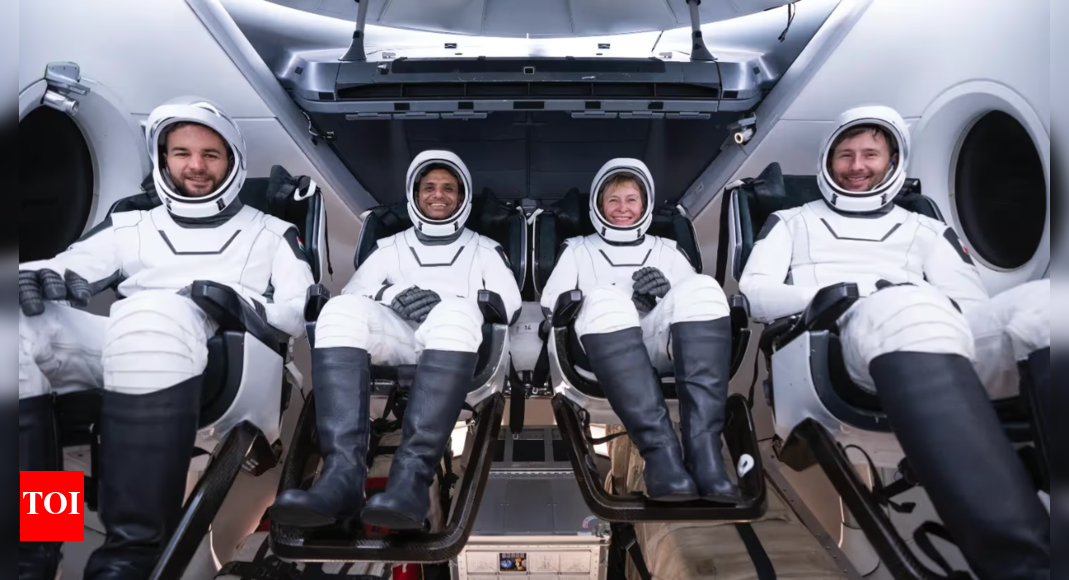
The Axiom-4 (Ax-4) mission, a significant undertaking involving a collaborative effort between SpaceX and various partners, experienced a delay due to concerns raised regarding the safety of the crew. The article highlights the crucial role played by the Indian Space Research Organisation (Isro) in advocating for stringent safety measures, underscoring the paramount importance of astronaut well-being in space exploration endeavors. Isro's insistence on thorough reviews and resolutions of technical issues before proceeding with the launch demonstrates a commitment to mitigating risks and ensuring the success of the mission. The discovery of a glitch in a control actuator and a liquid oxygen (LOX) leak during pre-launch testing prompted Isro to voice its concerns and demand comprehensive discussions among all stakeholders. This proactive approach reflects a dedication to upholding the highest safety standards and prioritizing the lives of the astronauts involved. The presence of Group Captain Shubhanshu Shukla, who is poised to become only the second Indian to journey into space, further accentuates the significance of this mission for India and underscores the responsibility to safeguard the crew's well-being. The article emphasizes the collaborative nature of the Ax-4 mission, involving multiple partners with diverse expertise and perspectives. Isro's contribution, particularly in the realm of cryogenic propulsion systems, as highlighted by chairman V Narayanan's experience, proved invaluable in identifying and addressing potential risks. The decision to postpone the launch, despite initial assurances from SpaceX that the LOX leak would be resolved, demonstrates a commitment to erring on the side of caution and prioritizing crew safety above all else. This decision reflects a shared understanding among the partners that no compromises should be made when it comes to the lives of the astronauts. The article sheds light on the complexities and challenges inherent in space exploration, where even seemingly minor technical glitches can have significant consequences. The rigorous testing and review processes, as well as the open communication and collaboration among partners, are essential for identifying and mitigating potential risks. The Ax-4 mission serves as a reminder of the dedication, expertise, and unwavering commitment to safety that are required to push the boundaries of human exploration in space. The incident also underscores the importance of international collaboration in space ventures, where sharing knowledge, resources, and expertise can lead to safer and more successful outcomes. The meticulous attention to detail and the proactive approach to risk management demonstrated by Isro and its partners highlight the critical role of oversight and regulation in ensuring the safety of space missions. The delay in the Ax-4 launch, while potentially frustrating for some, ultimately reflects a responsible and prudent approach to prioritizing human lives and upholding the highest standards of safety in space exploration.
The role of V Narayanan, Chairman of Isro, is particularly noteworthy. His extensive experience with cryogenic propulsion systems, a critical component of the Falcon-9 rocket, allowed him to effectively assess the risks associated with the LOX leak. His leadership in the meetings with SpaceX and other partners was instrumental in convincing them to delay the launch and address the issues thoroughly. Narayanan's quote, emphasizing that the safety of the Indian astronaut and crew is paramount, encapsulates the core principle that guided Isro's actions throughout the review process. This unwavering commitment to safety reflects a broader cultural value within Isro, where risk mitigation and meticulous planning are ingrained in every stage of space mission development. The article also subtly critiques SpaceX's initial assessment of the LOX leak. William Gerstenmaier, SpaceX's vice-president of build and flight reliability, initially downplayed the severity of the issue, suggesting that it could be easily resolved. However, Isro's intervention and the subsequent discussions among partners led to a reevaluation of the risk, ultimately resulting in the decision to scrub the launch. This highlights the importance of independent oversight and the potential for differing perspectives to contribute to a more comprehensive risk assessment. The incident also raises questions about the pressures faced by private space companies like SpaceX, which are often driven by ambitious timelines and commercial goals. While innovation and speed are important, they should never come at the expense of safety. The Ax-4 launch delay serves as a reminder that even in the rapidly evolving landscape of commercial space exploration, fundamental principles of safety and risk management must remain paramount. The collaboration between Isro, a government space agency with a long track record of successful missions, and SpaceX, a private company pushing the boundaries of space technology, represents a unique partnership with valuable lessons to offer. The Ax-4 mission is not only a scientific and technological endeavor but also a significant cultural and geopolitical event. The participation of an Indian astronaut underscores the growing role of India in the global space arena and strengthens the ties between India and the United States. The success of this mission would further solidify India's position as a leading space-faring nation and inspire future generations of scientists and engineers.
Furthermore, the incident surrounding the Axiom-4 launch and the subsequent delay shines a light on the complex interplay of technology, human factors, and organizational culture within the context of space exploration. The detection of the control actuator glitch and the LOX leak during pre-launch testing underscores the importance of rigorous testing and quality control procedures in ensuring the reliability and safety of space vehicles. These tests serve as crucial checkpoints for identifying potential flaws or weaknesses in the system before they can lead to catastrophic consequences during flight. The fact that these issues were identified and addressed before launch is a testament to the effectiveness of these testing protocols and the diligence of the engineers and technicians involved. However, the article also reveals a potential disconnect between initial assessments of the severity of the LOX leak. The initial downplaying of the issue by SpaceX's vice-president suggests a potential bias or a tendency to prioritize schedule and cost considerations over safety concerns. This highlights the importance of fostering a culture of open communication and transparency within organizations involved in high-risk activities. Encouraging individuals to speak up about potential safety concerns, even if it means challenging established procedures or timelines, is crucial for preventing accidents and ensuring the well-being of the crew. Isro's intervention and its insistence on a thorough review of the situation demonstrates the value of independent oversight and the importance of having multiple perspectives involved in the decision-making process. The collaboration between a government space agency with a long history of prioritizing safety and a private company with a focus on innovation and efficiency provides a valuable framework for balancing competing priorities in the pursuit of space exploration. The article also raises broader questions about the ethics of space exploration and the responsibilities of those involved in these endeavors. As humanity ventures further into the cosmos, it is essential to consider the potential risks and consequences of our actions and to prioritize the safety and well-being of all those involved. The Axiom-4 launch delay serves as a reminder that even in the face of technological advancements and ambitious goals, the fundamental principles of safety, responsibility, and ethical conduct must remain paramount.
Source: Axiom-4 launch: Crew safety paramount, Isro insisted in review meets