
 |
|
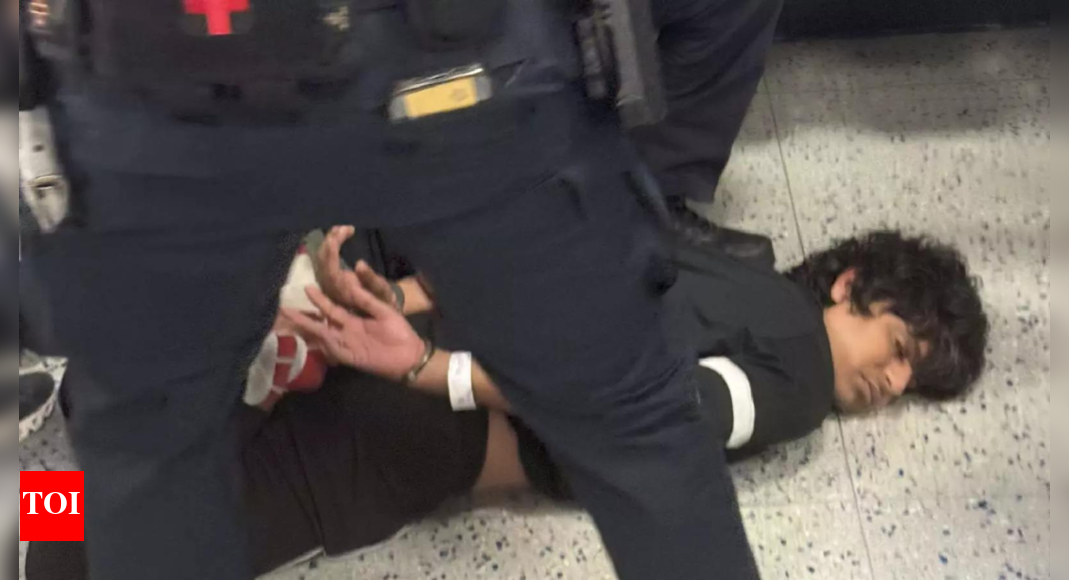
The Ministry of External Affairs (MEA) has taken a significant step by raising the issue of an Indian student being handcuffed and detained in the United States with the US embassy. This incident, which reportedly occurred at Newark Airport, has sparked concerns and prompted the Indian government to seek a detailed explanation from the US authorities. The MEA's action underscores the importance that India places on the welfare and treatment of its citizens abroad, especially students who often face unique challenges while pursuing education in foreign countries. The prompt response from the MEA highlights the sensitivity surrounding such incidents and the need for transparency and accountability in the handling of foreign nationals by law enforcement agencies. The incident has also ignited discussions on the rights and protections afforded to international students and the potential for cultural misunderstandings or biases in law enforcement practices. It is crucial for both countries to engage in open dialogue to address these concerns and ensure that appropriate measures are in place to prevent similar incidents from occurring in the future. The details of the incident are still emerging, but the available information suggests a troubling scenario. According to reports, the Indian student was handcuffed and pinned to the floor before being deported. This treatment has been described as excessive and inhumane, raising questions about the proportionality of the response by law enforcement officers. The fact that the student was reportedly crying and treated like a criminal has further amplified the outrage and concern surrounding the incident. The video shared by Kunal Jain, an Indian-American social entrepreneur, has provided visual evidence of the student's distress and has contributed to the public outcry. The incident has resonated particularly strongly with the Indian diaspora, who feel a sense of responsibility and solidarity with their fellow citizens abroad. The US embassy's response, while emphasizing the country's welcoming stance towards legitimate travelers, has also reiterated its zero-tolerance policy towards illegal immigration and visa abuse. This response, however, has been perceived by some as insensitive and dismissive of the specific concerns raised by the Indian government and the public. It is important for the US authorities to recognize the emotional and political implications of such incidents and to address them with empathy and understanding. A thorough investigation into the circumstances surrounding the student's detention and deportation is necessary to determine whether any wrongdoing occurred and to ensure that appropriate corrective measures are taken. The incident also highlights the broader issue of immigration policies and enforcement practices in the United States. While the US has the right to enforce its laws and protect its borders, it must also ensure that these measures are implemented in a fair and humane manner, respecting the rights and dignity of all individuals, regardless of their nationality or immigration status. The incident serves as a reminder of the need for cultural sensitivity training for law enforcement officers and for clear guidelines on the treatment of international students and other foreign nationals. Open communication and collaboration between the Indian and US governments are essential to address these issues and to prevent future incidents from escalating into diplomatic disputes. The incident involving the Indian student is not an isolated one. There have been numerous reports of foreign nationals, particularly students, facing discrimination, harassment, and even violence in the United States. These incidents have raised concerns about the safety and well-being of international students and the need for greater protection and support. Universities and colleges have a responsibility to create a welcoming and inclusive environment for international students, providing them with the resources and support they need to succeed academically and socially. The US government must also take steps to address the underlying issues of xenophobia and anti-immigrant sentiment that contribute to these incidents. This includes promoting intercultural understanding, educating the public about the contributions of immigrants, and holding accountable those who engage in discriminatory or hateful behavior. The incident involving the Indian student serves as a wake-up call for both the Indian and US governments to address the challenges faced by international students and to work together to create a more just and equitable society for all. The long-term implications of this incident could extend beyond the immediate diplomatic repercussions. A perception that Indian students are not safe or are unfairly targeted in the US could lead to a decline in the number of students choosing to study there. This would not only harm the US education system but also weaken the ties between the two countries. It's essential for the US to reaffirm its commitment to welcoming international students and to ensure that they are treated with respect and dignity. Furthermore, the incident underscores the importance of consular access and timely communication between embassies and their citizens abroad. When incidents like this occur, it's crucial for the Indian embassy to be able to quickly access the student, provide legal assistance, and ensure their well-being. This requires strong diplomatic relationships and efficient communication channels. The role of social media in this incident is also noteworthy. The video shared on X (formerly Twitter) quickly went viral, amplifying the public outcry and putting pressure on both governments to respond. Social media can be a powerful tool for raising awareness about human rights abuses and holding authorities accountable. However, it's also important to be mindful of the potential for misinformation and the need to verify information before sharing it. In conclusion, the incident involving the Indian student is a complex issue with significant diplomatic, social, and educational implications. It requires a thorough investigation, a commitment to addressing the underlying issues of discrimination and xenophobia, and a renewed focus on protecting the rights and well-being of international students. Only through open dialogue, collaboration, and a commitment to justice can both India and the US prevent similar incidents from occurring in the future and maintain a strong and mutually beneficial relationship.
Building upon the initial incident, it is imperative to delve deeper into the potential systemic issues that may have contributed to the handcuffing and deportation of the Indian student. While the US embassy has emphasized its commitment to welcoming legitimate travelers, the perception of how “legitimate” is defined and enforced warrants careful examination. The criteria used to assess the legitimacy of a traveler’s intent, particularly for students, should be transparent and consistently applied to avoid discriminatory practices. Often, international students face heightened scrutiny due to concerns about visa overstays or unauthorized employment. However, such concerns should not automatically lead to the presumption of guilt or justify harsh treatment. Instead, a fair and objective assessment of each individual’s circumstances is necessary. This includes considering the student’s academic record, financial resources, and ties to their home country. The incident at Newark Airport raises questions about whether these factors were adequately considered before the decision was made to deport the student. Furthermore, it is essential to address the issue of cultural sensitivity among law enforcement officers. Interactions between law enforcement and individuals from different cultural backgrounds can be fraught with misunderstandings and misinterpretations. Cultural differences in communication styles, body language, and expressions of emotion can lead to misjudgments and escalate situations unnecessarily. Law enforcement agencies should invest in comprehensive cultural sensitivity training to equip their officers with the skills and knowledge needed to interact effectively with diverse populations. This training should include information about the cultural norms and values of different countries, as well as strategies for de-escalating potentially tense situations. In addition to cultural sensitivity training, it is also important to promote diversity within law enforcement agencies. A diverse workforce can bring a wider range of perspectives and experiences to the table, helping to prevent bias and improve community relations. Efforts should be made to recruit and retain officers from underrepresented groups, including immigrants and individuals from minority ethnic backgrounds. Another crucial aspect of preventing similar incidents in the future is to strengthen communication and coordination between educational institutions and law enforcement agencies. Universities and colleges play a vital role in supporting international students and ensuring their well-being. They should work closely with law enforcement to develop protocols for handling situations involving international students, ensuring that their rights are protected and that they receive appropriate support. This includes providing students with information about their legal rights and responsibilities, as well as access to legal assistance if needed. Universities should also establish clear channels of communication with law enforcement agencies, allowing them to report concerns about student safety and well-being and to seek assistance when necessary. Furthermore, the incident at Newark Airport highlights the need for greater transparency and accountability in the deportation process. Individuals who are being deported should be informed of their rights and provided with a clear explanation of the reasons for their deportation. They should also have the opportunity to appeal the decision and to present evidence in their defense. The deportation process should be conducted in a humane and respectful manner, ensuring that the individual’s dignity is preserved. The use of handcuffs and other forms of restraint should be limited to situations where there is a clear and present danger to the individual or to others. The incident at Newark Airport raises concerns about whether these safeguards were in place and whether the student’s rights were adequately protected. To address these concerns, it is necessary to conduct a thorough review of the deportation process and to implement reforms to ensure that it is fair, transparent, and humane. This includes establishing clear guidelines for the use of restraints, providing individuals with access to legal counsel, and ensuring that they have the opportunity to appeal the decision to deport them. In addition to reforming the deportation process, it is also important to address the underlying issues of immigration policy that contribute to these incidents. The US immigration system is complex and often difficult to navigate, particularly for international students. Many students face challenges in obtaining visas, extending their stay, or transitioning to different immigration statuses. These challenges can create anxiety and uncertainty, making students more vulnerable to exploitation and abuse. To address these issues, it is necessary to simplify the immigration system, make it more accessible to international students, and provide them with clear and accurate information about their rights and responsibilities. This includes increasing the availability of legal assistance and providing students with access to resources to help them navigate the immigration process.
The incident involving the Indian student at Newark Airport serves as a microcosm of the larger challenges and complexities surrounding international relations, immigration policies, and the treatment of foreign nationals. It is not merely an isolated event but rather a symptom of deeper issues that require comprehensive and sustained attention from both the Indian and US governments. The immediate response, while necessary to address the specific concerns raised by the incident, should be viewed as a starting point for a more profound dialogue aimed at fostering mutual understanding, respect, and cooperation. One of the key aspects that needs to be addressed is the perception of fairness and equity in the application of immigration laws. While every nation has the sovereign right to enforce its borders and regulate immigration, it is imperative that these laws are applied in a non-discriminatory manner, ensuring that all individuals are treated with dignity and respect. The perception that certain nationalities or ethnic groups are disproportionately targeted for scrutiny can erode trust and undermine the credibility of the legal system. To mitigate this risk, law enforcement agencies should adopt clear and transparent guidelines for immigration enforcement, ensuring that decisions are based on objective criteria rather than subjective biases. Furthermore, there is a need for greater cultural sensitivity and awareness among law enforcement officers who interact with foreign nationals. As globalization continues to increase, the interactions between law enforcement and individuals from diverse cultural backgrounds are becoming more frequent. It is essential that law enforcement officers are equipped with the skills and knowledge necessary to navigate these interactions effectively, avoiding misunderstandings and misinterpretations that can lead to unnecessary escalations. Cultural sensitivity training should be an integral part of the curriculum for law enforcement academies, and ongoing professional development programs should be implemented to ensure that officers remain up-to-date on cultural nuances and best practices for interacting with diverse communities. In addition to addressing the immediate issues surrounding the incident at Newark Airport, it is also important to focus on long-term solutions that can prevent similar incidents from occurring in the future. This includes strengthening diplomatic ties between India and the US, fostering greater cultural exchange and understanding, and promoting collaboration on issues of mutual concern. Diplomatic channels should be utilized to address any grievances or concerns that arise, ensuring that both governments have a platform for open and honest communication. Cultural exchange programs can help to bridge cultural gaps and promote greater understanding between the people of India and the US. These programs can include student exchange programs, cultural festivals, and joint research initiatives. Collaboration on issues of mutual concern, such as counter-terrorism, climate change, and global health, can help to build trust and strengthen the relationship between the two countries. The role of educational institutions in fostering a welcoming and inclusive environment for international students cannot be overemphasized. Universities and colleges have a responsibility to provide international students with the resources and support they need to succeed academically and socially. This includes providing access to academic advising, counseling services, and cultural orientation programs. Universities should also establish clear policies and procedures for addressing incidents of discrimination or harassment, ensuring that international students feel safe and protected on campus. Furthermore, it is important to address the underlying economic and social factors that contribute to illegal immigration. Many individuals choose to immigrate illegally because they are seeking economic opportunities or escaping persecution or violence in their home countries. Addressing these root causes requires a comprehensive approach that includes promoting economic development, strengthening governance, and protecting human rights in developing countries. The incident at Newark Airport serves as a reminder that immigration is a complex and multifaceted issue that requires a holistic approach. It is not simply a matter of enforcing laws and securing borders; it is also about addressing the underlying economic, social, and political factors that drive migration. By working together to address these challenges, India and the US can create a more just and equitable world for all.
Furthermore, the situation underscores the imperative need for proactive measures from the Indian government to protect its citizens abroad. This goes beyond simply reacting to incidents after they occur; it requires a comprehensive strategy encompassing several key areas. Firstly, enhancing consular services is crucial. Indian embassies and consulates worldwide must be adequately staffed and equipped to provide timely and effective assistance to Indian citizens in distress. This includes offering legal aid, medical support, and repatriation services. The process for reporting incidents and seeking help should be streamlined and accessible, leveraging technology to ensure that citizens can easily connect with consular officials. Secondly, promoting awareness and education among Indian citizens traveling abroad is essential. Pre-departure briefings should be conducted to inform travelers about their rights and responsibilities, as well as the laws and customs of the countries they are visiting. This can help prevent misunderstandings and reduce the likelihood of encountering legal or other problems. These briefings should also cover safety tips, emergency contact information, and guidance on how to navigate unfamiliar situations. Thirdly, fostering stronger diplomatic relationships with host countries is vital. The Indian government should actively engage with foreign governments to advocate for the fair and just treatment of Indian citizens. This includes raising concerns about discriminatory practices, negotiating bilateral agreements to protect the rights of Indian nationals, and promoting cultural exchange programs to foster mutual understanding. Diplomatic efforts should also focus on building trust and collaboration with law enforcement agencies in host countries. Fourthly, leveraging the Indian diaspora can be a powerful tool for protecting Indian citizens abroad. The Indian diaspora is a vast and influential network that can provide valuable support to Indian nationals in need. The government should work to strengthen ties with diaspora organizations, encouraging them to play a more active role in advocating for the rights and well-being of Indian citizens. This can include providing legal assistance, offering translation services, and helping to navigate local customs and regulations. Fifthly, utilizing technology to monitor and respond to incidents involving Indian citizens abroad is essential. Social media and other online platforms can provide valuable information about potential threats or problems. The government should invest in developing sophisticated monitoring tools to track online conversations and identify incidents that may require consular intervention. These tools can also be used to disseminate information and provide guidance to Indian citizens in real-time. In addition to these proactive measures, the Indian government should also continue to work to improve the economic and social conditions in India, addressing the root causes of migration. By creating more opportunities for education, employment, and entrepreneurship, the government can reduce the pressure on Indian citizens to seek opportunities abroad. This will not only benefit India but also reduce the risk of Indian citizens encountering problems while living or traveling in foreign countries. The incident involving the Indian student at Newark Airport serves as a catalyst for reflection and action. It underscores the need for a multi-pronged approach that combines proactive measures to protect Indian citizens abroad with efforts to address the underlying causes of migration. By implementing these strategies, the Indian government can ensure that its citizens are treated with dignity and respect, wherever they may be in the world.