
 |
|
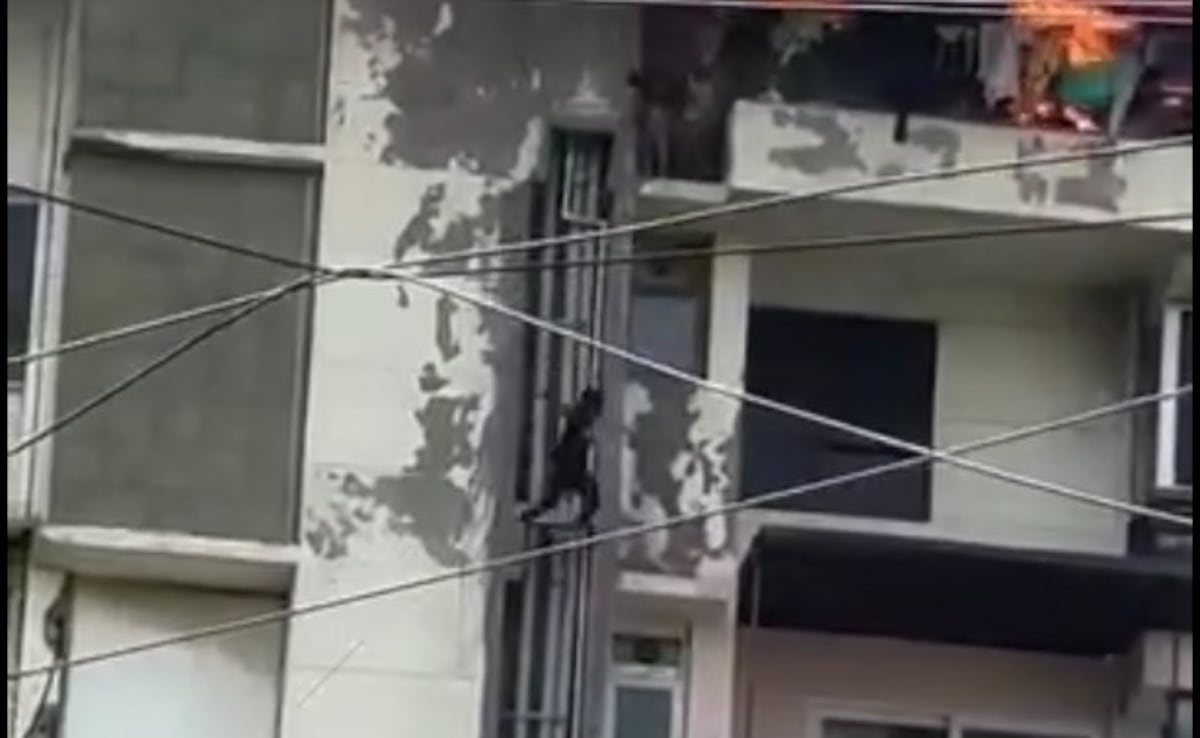
The horrifying incident in Delhi's Dwarka, where a 35-year-old man and his two children jumped to their deaths from a burning building, serves as a stark reminder of the devastating consequences of uncontrolled fires and the desperate measures people take when faced with seemingly insurmountable danger. The incident, which unfolded at the Shapath Society near MRV School in Dwarka Sector-13, claimed the lives of Yash Yadav and his two children, aged 10 and 12, leaving behind a grieving wife and elder son who survived the blaze. The tragedy underscores the urgent need for enhanced fire safety measures in high-rise buildings, improved emergency response protocols, and increased public awareness regarding fire safety procedures. The video footage capturing the desperate act of the family jumping from the balcony has undoubtedly traumatized countless viewers and sparked a national conversation about the vulnerabilities inherent in urban living and the responsibility of authorities to ensure the safety and well-being of their citizens. The incident highlights the critical importance of functional fire escape routes, readily accessible fire extinguishers, and well-rehearsed evacuation plans in all residential buildings, particularly high-rises, where vertical evacuation can be extremely challenging and dangerous. The fact that residents on the sixth floor were forced to smash windows to escape the smoke and flames further illustrates the inadequacy of existing safety measures and the urgent need for comprehensive reforms. The reliance on a sky lift to rescue residents also points to potential shortcomings in the preparedness of the fire department to handle large-scale emergencies in densely populated urban areas. The investigation into the cause of the fire must be thorough and transparent, and any negligence or violation of safety regulations must be met with swift and decisive action. The lives lost in this tragic incident serve as a painful reminder of the human cost of complacency and the imperative of prioritizing fire safety above all else. Furthermore, the psychological impact of the fire on the surviving family members and the residents of Shapath Society should not be overlooked. Trauma counseling and mental health support should be readily available to help them cope with the emotional aftermath of the incident. The community must come together to offer support and solidarity to those affected by this tragedy and to ensure that such a devastating event never happens again. The incident also raises questions about the adequacy of building codes and fire safety regulations in Delhi and other major Indian cities. Are the existing regulations sufficiently stringent? Are they effectively enforced? Are building owners and residents adequately educated about fire safety procedures? These are critical questions that must be addressed in order to prevent future tragedies. The Delhi fire serves as a wake-up call, demanding immediate action to strengthen fire safety infrastructure, improve emergency response capabilities, and promote a culture of fire safety awareness among all citizens. Only through a concerted effort can we hope to prevent similar tragedies from occurring in the future and protect the lives of innocent people. The swift response of the eight fire tenders dispatched to the scene is commendable, but the incident also reveals potential gaps in the availability of specialized equipment and trained personnel needed to effectively combat fires in high-rise buildings. The deployment of a sky lift indicates a recognition of the challenges involved in reaching residents trapped on upper floors, but it also suggests a need for more advanced firefighting technologies and strategies tailored to the unique demands of urban environments. The disruption of electricity and gas connections to the affected building is a standard safety precaution, but it also highlights the potential for cascading effects in the aftermath of a fire, impacting essential services and further complicating rescue and recovery efforts. The incident underscores the interconnectedness of urban infrastructure and the importance of coordinated responses involving multiple agencies and stakeholders. The stories of residents trying to climb onto balconies and signal for help paint a vivid picture of the panic and desperation that gripped the Shapath Society as the fire raged out of control. These harrowing accounts serve as a powerful reminder of the human element in disaster response and the importance of empathy and compassion in providing assistance to those in need. The local community's role in offering support and solidarity is crucial in helping victims cope with the trauma and rebuild their lives. The incident also raises concerns about the accessibility of information and resources for fire safety. Are residents adequately informed about fire escape routes, fire extinguisher locations, and emergency contact numbers? Are regular fire drills conducted to ensure that residents are prepared to evacuate safely in the event of a fire? These are essential components of a comprehensive fire safety program that should be implemented in all residential buildings. The Shapath Society fire serves as a tragic reminder of the importance of vigilance and preparedness in preventing and responding to fires. It is a call to action for government agencies, building owners, residents, and the community as a whole to work together to create a safer and more resilient urban environment. The focus should be on strengthening fire safety regulations, improving emergency response capabilities, promoting fire safety awareness, and providing support to victims of fire-related incidents. Only through a multi-faceted approach can we hope to prevent future tragedies and protect the lives and well-being of our citizens. The investigation into the cause of the fire should also consider the role of building materials and construction practices in contributing to the rapid spread of the flames. Were fire-resistant materials used in the construction of the building? Were firewalls properly installed and maintained? These are critical factors that can significantly impact the severity of a fire and the ability of firefighters to contain it. The incident highlights the importance of adhering to strict building codes and ensuring that all construction projects meet the highest standards of fire safety. The Delhi fire tragedy is a painful reminder of the devastating consequences of fire and the urgent need for comprehensive fire safety measures. It is a call to action for all stakeholders to prioritize fire safety and work together to create a safer and more resilient urban environment. The lives lost in this tragic incident must not be in vain. Their memory should serve as a catalyst for change and a constant reminder of the importance of vigilance, preparedness, and compassion in preventing and responding to fires.
The psychological impact of such a traumatic event cannot be overstated. Witnessing the death of loved ones, the fear of being trapped in a burning building, and the loss of personal belongings can have long-lasting effects on the mental and emotional well-being of survivors. The availability of trauma counseling and mental health support is crucial in helping them cope with the aftermath of the fire. The community should also provide a supportive and understanding environment to help victims rebuild their lives and regain a sense of normalcy. The fire also raises questions about the adequacy of emergency response protocols in Delhi. Was the response time of the fire department sufficiently prompt? Were the firefighters adequately equipped and trained to handle the specific challenges of a high-rise fire? These are important questions that need to be addressed in order to improve the effectiveness of emergency response efforts in the future. The incident also highlights the importance of public education campaigns on fire safety. Residents should be educated about fire escape routes, fire extinguisher locations, and emergency contact numbers. Regular fire drills should be conducted to ensure that residents are prepared to evacuate safely in the event of a fire. The community should also be involved in fire safety awareness programs to promote a culture of vigilance and preparedness. The Shapath Society fire serves as a tragic reminder of the importance of fire safety and the need for continuous improvement in fire prevention and response efforts. It is a call to action for all stakeholders to work together to create a safer and more resilient urban environment. The lives lost in this incident must not be in vain. Their memory should serve as a catalyst for change and a constant reminder of the importance of fire safety.
Beyond the immediate response and investigation, the Delhi fire tragedy necessitates a broader examination of urban planning and development practices. The increasing density of cities, coupled with inadequate infrastructure and lax enforcement of building codes, creates a fertile ground for disasters like this one. The focus should be on promoting sustainable and resilient urban development that prioritizes the safety and well-being of residents. This includes ensuring adequate green spaces, proper ventilation, and adherence to strict fire safety regulations. The incident also highlights the need for greater accountability on the part of building owners and developers. They have a responsibility to ensure that their buildings are safe and compliant with all applicable regulations. Failure to do so should be met with swift and severe penalties. The Delhi fire tragedy is a wake-up call for the entire urban planning and development community. It is a reminder that safety should always be the top priority and that no amount of economic gain can justify compromising the lives of innocent people. The incident underscores the importance of investing in fire safety infrastructure, improving emergency response capabilities, and promoting a culture of fire safety awareness. Only through a concerted effort can we hope to prevent future tragedies and create safer and more livable cities for all.
Source: Video: Delhi Man, His 2 Children Jump Off Building To Escape Fire, Die