
 |
|
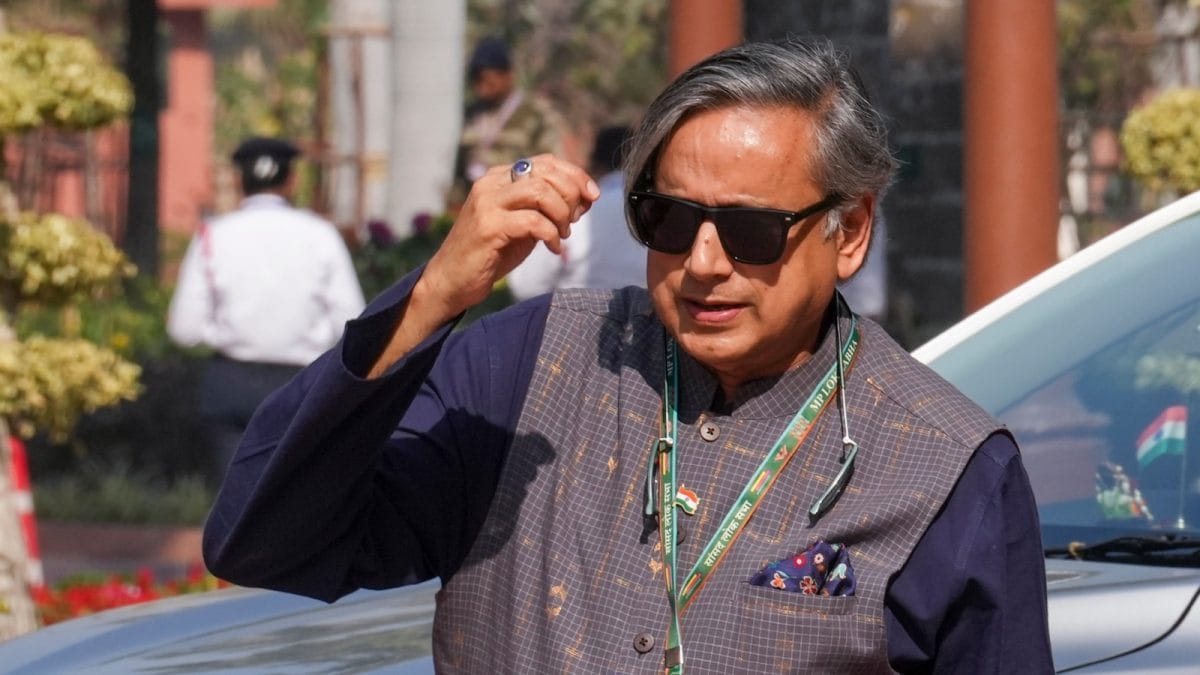
The article discusses Shashi Tharoor's analysis of the United Nations Security Council's (UNSC) response to the escalating tensions between India and Pakistan following the Pahalgam terror attack. Tharoor, a former diplomat with experience at the UN, draws upon his understanding of the UNSC's operations to provide insights into the likely outcomes of the council's closed-door meeting, convened at Pakistan’s request. He asserts that the UNSC is unlikely to pass any resolution criticizing either India or Pakistan, attributing this to the potential for vetoes from permanent members such as China. Tharoor suggests the UNSC's response will likely be a general call for peace and concern about terrorism, rather than specific condemnations. The article highlights the dynamics within the UNSC and the constraints it faces in addressing complex geopolitical situations like the India-Pakistan conflict. The tensions are heightened by the backdrop of the Pahalgam terror attack, which claimed the lives of numerous tourists and one local. The article indicates that the UNSC members questioned Pakistan regarding the involvement of Lashkar-e-Taiba (LeT) in the attack, suggesting that Pakistan may have faced scrutiny regarding its alleged links to terrorist organizations. This element of the article underscores the international community's concerns about cross-border terrorism and its potential to destabilize the region. Tharoor also suggests that member countries understood that the concerns about terrorism and LeT “understandably provoked” an Indian reaction after the Pahalgam attack. The absence of an official statement from either the UNSC or India following the closed-door talks reflects the sensitivity of the issue and the ongoing diplomatic efforts to de-escalate tensions. The article further contextualizes the situation by mentioning the Pahalgam terror attack, providing details about the casualties and highlighting the impact of terrorism on the region. The fact that Pakistan requested the UNSC meeting suggests an attempt by Pakistan to internationalize the issue and potentially gain diplomatic leverage. However, the tough questions posed by UNSC members regarding LeT's involvement indicate that Pakistan's efforts may not have yielded the desired outcome. The article also points to the limitations of the UNSC in resolving complex geopolitical disputes, particularly those involving nuclear-armed states like India and Pakistan. The potential for vetoes and the need for consensus among the permanent members often hinder the UNSC's ability to take decisive action. The analysis provided by Shashi Tharoor offers a valuable perspective on the inner workings of the UNSC and the challenges it faces in addressing international conflicts. His expertise as a former diplomat provides credibility to his assessments and insights. The article’s focus on the Pahalgam terror attack and its implications for India-Pakistan relations highlights the ongoing security concerns in the region and the need for sustained diplomatic efforts to prevent further escalation. The questions posed by UNSC members regarding Pakistan's links to LeT underscores the importance of addressing cross-border terrorism and holding accountable those who support or harbor terrorist groups. The article serves as a reminder of the complexities involved in international diplomacy and the limitations of international organizations like the UNSC in resolving long-standing conflicts. It underscores the importance of bilateral dialogue and cooperation between India and Pakistan in addressing their differences and preventing further escalation of tensions. The international community's role in promoting peace and stability in the region remains crucial, and the UNSC's efforts to facilitate dialogue and de-escalation are essential. The situation emphasizes the delicate balance of power in the region and the potential for miscalculations or escalatory actions to have far-reaching consequences. Therefore, responsible leadership and adherence to international norms are paramount in ensuring peace and stability in South Asia. The article also highlights the importance of transparency and accountability in addressing terrorism. All states have a responsibility to prevent their territory from being used as a base for terrorist activities and to cooperate with international efforts to combat terrorism. Failure to do so can have serious consequences for regional and global security.
The geopolitical landscape surrounding the India-Pakistan dynamic is multifaceted, heavily influenced by historical animosities, territorial disputes (primarily concerning Kashmir), and, as highlighted in the article, the pervasive threat of terrorism. The Pahalgam terror attack, which served as the immediate trigger for the UNSC consultations, is not an isolated incident but rather a symptom of a broader security challenge that has plagued the region for decades. The involvement of Lashkar-e-Taiba, a UN-designated terrorist organization, further complicates the situation and raises serious questions about Pakistan's commitment to combating terrorism. While Pakistan has repeatedly denied any direct support for LeT, evidence suggests that the group continues to operate within Pakistani territory, albeit with varying degrees of visibility. The UNSC's questioning of Pakistan regarding LeT's involvement reflects the international community's skepticism and its demand for concrete action to dismantle terrorist infrastructure. The fact that Pakistan requested the UNSC meeting can be interpreted in several ways. On one hand, it could be seen as an attempt to highlight India's alleged human rights violations in Kashmir and to garner international support for its position. On the other hand, it could be a genuine effort to de-escalate tensions and to seek the UNSC's assistance in resolving the underlying issues. However, given Pakistan's history of using international forums to criticize India, it is likely that the former motive played a significant role. The article's emphasis on the UNSC's inability to pass a resolution condemning either India or Pakistan underscores the limitations of multilateral diplomacy in addressing deeply entrenched conflicts. The veto power of the permanent members, particularly China, often prevents the UNSC from taking decisive action, especially when the interests of major powers are at stake. In this case, China's close relationship with Pakistan makes it highly unlikely that it would support a resolution critical of Islamabad. Similarly, other UNSC members may be hesitant to condemn India due to its growing economic and strategic importance. The absence of an official statement from the UNSC after the closed-door meeting suggests that the consultations failed to yield any concrete results. This is not surprising, given the divergent positions of the member states and the complexity of the issues involved. However, the fact that the meeting took place at all indicates that the UNSC is at least aware of the potential for escalation and is attempting to play a mediating role. Shashi Tharoor's analysis provides valuable insights into the internal dynamics of the UNSC and the challenges it faces in addressing the India-Pakistan conflict. His experience as a former UN diplomat lends credibility to his assessments and makes his commentary particularly relevant. Tharoor's assertion that the UNSC's response is likely to be a general call for peace and concern about terrorism reflects a pragmatic understanding of the council's limitations. While such a statement may not be as impactful as a more forceful resolution, it can still serve as a reminder of the international community's expectations and its commitment to maintaining peace and security in the region. The India-Pakistan conflict is not only a regional issue but also a global concern due to the potential for nuclear escalation. Both countries possess nuclear weapons, and any miscalculation or escalation could have catastrophic consequences. Therefore, it is imperative that both sides exercise restraint and engage in meaningful dialogue to resolve their differences. The international community, including the UNSC, has a responsibility to encourage and facilitate such dialogue. The Pahalgam terror attack serves as a stark reminder of the dangers of terrorism and the need for concerted efforts to combat it. All states must cooperate in preventing terrorist groups from operating within their territory and in bringing terrorists to justice. Failure to do so can have serious consequences for regional and global security.
The implications of the Pahalgam terror attack extend far beyond the immediate loss of life and underscore the fragile security environment that persists in the disputed region of Jammu and Kashmir. The targeting of tourists, particularly those on religious pilgrimages, adds a disturbing dimension to the conflict and raises concerns about the potential for sectarian violence. The article correctly points out that the attack prompted the United Nations Security Council (UNSC) to convene a closed-door meeting, a clear indication of the international community's apprehension regarding the escalating tensions between India and Pakistan. The fact that Pakistan requested this meeting suggests a strategic maneuver aimed at drawing international attention to its grievances, particularly concerning the situation in Kashmir. However, the UNSC members' reported questioning of Pakistan regarding the involvement of Lashkar-e-Taiba (LeT) in the attack reveals a lack of complete trust in Pakistan's narrative and a demand for greater accountability in combating terrorism. LeT, a UN-designated terrorist organization, has been implicated in numerous attacks in India, including the 2008 Mumbai attacks. Its continued presence and operational capacity within Pakistan raise serious concerns about the country's commitment to fully dismantling terrorist infrastructure. Shashi Tharoor's assessment that the UNSC is unlikely to pass a resolution condemning either India or Pakistan is a realistic appraisal of the council's limitations and the complex geopolitical dynamics at play. The veto power wielded by the permanent members often renders the UNSC ineffective in addressing highly sensitive issues that involve powerful states. China's close relationship with Pakistan, for instance, would likely prevent it from supporting any resolution critical of Islamabad. Similarly, other UNSC members may be hesitant to alienate India, a rising economic and strategic power. The lack of an official statement from the UNSC following the meeting reinforces the notion that the consultations were inconclusive and that a consensus on the way forward remains elusive. However, the mere fact that the meeting took place underscores the international community's awareness of the potential for further escalation and its willingness to engage in diplomatic efforts to de-escalate tensions. The article also highlights the importance of transparency and accountability in addressing terrorism. All states have a responsibility to prevent their territory from being used as a safe haven for terrorist groups and to cooperate with international efforts to combat terrorism. Pakistan's alleged links to LeT and other terrorist organizations have long been a source of friction with India and the international community. Addressing these concerns is crucial for building trust and fostering a more stable security environment in the region. The India-Pakistan conflict is not only a regional issue but also a global concern due to the potential for nuclear escalation. Both countries possess nuclear weapons, and any miscalculation or escalation could have catastrophic consequences. Therefore, it is imperative that both sides exercise restraint and engage in meaningful dialogue to resolve their differences. The international community, including the UNSC, has a responsibility to encourage and facilitate such dialogue. The situation underscores the need for a comprehensive approach to addressing the root causes of terrorism, including poverty, inequality, and political marginalization. It also highlights the importance of promoting good governance, the rule of law, and respect for human rights. A more stable and prosperous South Asia requires a concerted effort by all stakeholders to address these underlying challenges and to build a more inclusive and equitable society. The Pahalgam terror attack serves as a tragic reminder of the human cost of conflict and the urgent need for peace and reconciliation.
Source: 'Pakistan Thought They Had Advantage, But...': Shashi Tharoor Decodes UNSC's Response