
 |
|
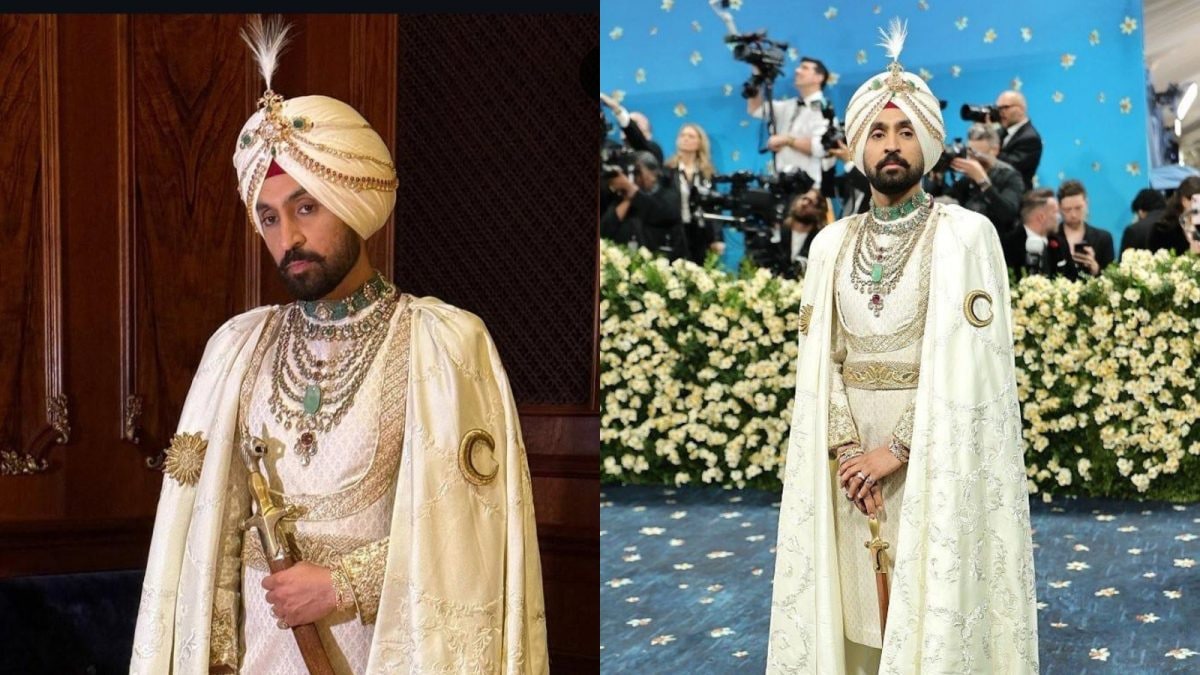
Diljit Dosanjh's appearance at the Met Gala in 2025 marked a significant moment, showcasing his commitment to representing his Punjabi heritage on a global stage. His choice of attire, a custom-designed ensemble by Prabal Gurung, was a deliberate statement that resonated with fans and critics alike. The outfit, inspired by the iconic style of the Maharaja of Patiala, seamlessly blended traditional elements with contemporary fashion, creating a visually striking and culturally significant look. The turban, a powerful symbol of Sikh identity, was a central component of the ensemble, conveying a sense of pride and cultural heritage. The kurta and tehmat, classic draped bottoms, added to the traditional aesthetic, while the cape adorned with Gurumukhi script served as a further nod to his Punjabi roots. The inclusion of a sword as an accessory completed the powerful and regal look, solidifying Dosanjh's image as a modern-day Maharaja. The attention to detail in the outfit, from the choice of fabrics to the intricate embroidery, demonstrated a deep understanding of and respect for Punjabi culture. The overall effect was a harmonious blend of tradition and modernity, creating a look that was both stylish and meaningful. Dosanjh's statement to The New York Times, emphasizing the importance of carrying one's identity with pride, further underscored the cultural significance of his Met Gala appearance. His outfit was not merely a fashion statement; it was a powerful message of cultural pride and self-affirmation, resonating with audiences worldwide.
The revelation that Diljit Dosanjh's team had initially hoped to incorporate the Maharaja of Patiala's iconic diamond necklace into his Met Gala look adds another layer of intrigue to the story. The Patiala necklace, a masterpiece of jewelry design commissioned by the Maharaja in 1928 from Cartier, is a legendary piece of history. Weighing a staggering 1,000 carats and studded with approximately 2,900 diamonds, it was the largest piece ever created by the French luxury brand. Its estimated value today, around $2.5 billion (₹21,000 crore), reflects its historical significance and rarity. The necklace's association with the Maharaja of Patiala, a figure of immense power and wealth, further enhances its allure. The decision to seek permission to use the necklace, even if ultimately unsuccessful, demonstrates the ambition and vision of Dosanjh's team. Incorporating such a historically significant and visually stunning piece would have undoubtedly elevated his Met Gala look to an even higher level of cultural and artistic significance. The necklace's absence, however, does not diminish the impact of Dosanjh's appearance. His outfit, even without the necklace, was a powerful statement of cultural pride and self-expression. The story of the attempted inclusion of the Patiala necklace serves as a reminder of the rich history and cultural heritage that Dosanjh seeks to celebrate through his art and fashion choices.
The denial of permission to use the historic Patiala necklace underscores the complexities surrounding the ownership and preservation of cultural artifacts. The necklace, a symbol of India's rich history and cultural heritage, is likely subject to strict regulations and protocols regarding its display and use. The decision to deny permission to Dosanjh's team may have been based on concerns about the necklace's safety and preservation, or on legal or ethical considerations related to its ownership and display. Regardless of the specific reasons, the denial highlights the challenges involved in accessing and utilizing historical artifacts for artistic and cultural purposes. The story of the Patiala necklace serves as a reminder of the importance of protecting and preserving cultural heritage for future generations. It also raises questions about the balance between accessibility and preservation, and the role of historical artifacts in contemporary art and culture. While Dosanjh's team was unable to incorporate the necklace into his Met Gala look, their efforts to do so demonstrate a deep appreciation for history and a commitment to celebrating cultural heritage through art and fashion. The incident also sparks a broader conversation about the ethical considerations surrounding the use of historical artifacts in contemporary contexts, and the responsibilities of artists and institutions in ensuring their preservation and respectful representation.
The Met Gala, known for its extravagant displays of fashion and its celebration of artistic expression, provided the perfect platform for Diljit Dosanjh to showcase his cultural heritage and make a powerful statement about identity and representation. His choice of attire, inspired by the Maharaja of Patiala, was a deliberate act of cultural reclamation, reclaiming and celebrating a history often overlooked or marginalized in mainstream narratives. The turban, the kurta, the tehmat, and the cape adorned with Gurumukhi script were all carefully chosen elements that conveyed a sense of pride and cultural belonging. The inclusion of the sword as an accessory added a touch of regal power, further solidifying Dosanjh's image as a modern-day cultural ambassador. His Met Gala appearance was not merely a fashion statement; it was a political statement, a declaration of identity, and a celebration of Punjabi culture. The fact that his team attempted to incorporate the Patiala necklace into his look underscores his commitment to honoring history and celebrating cultural heritage. While the denial of permission to use the necklace may have been a disappointment, it does not diminish the impact of Dosanjh's Met Gala appearance. His outfit, even without the necklace, was a powerful symbol of cultural pride and self-expression, resonating with audiences worldwide.
The impact of Diljit Dosanjh's Met Gala appearance extends far beyond the realm of fashion. His decision to represent his Punjabi heritage on such a prominent stage has inspired countless individuals to embrace their own cultural identities and to celebrate their unique backgrounds. His outfit has been widely praised for its authenticity, its attention to detail, and its powerful message of cultural pride. His words, emphasizing the importance of carrying one's identity with pride, have resonated with audiences of all backgrounds. His Met Gala appearance has sparked conversations about cultural representation, historical preservation, and the role of fashion in promoting social and cultural understanding. He has become a role model for young people around the world, demonstrating that it is possible to achieve success and recognition while remaining true to one's roots. His Met Gala appearance is a testament to the power of art to transcend boundaries and to promote understanding and empathy across cultures. He is also showing others the importance of carrying your identity with pride.
In conclusion, Diljit Dosanjh's Met Gala debut was a resounding success, showcasing his cultural pride, his artistic vision, and his commitment to representing his heritage on a global stage. While the attempt to incorporate the Patiala necklace ultimately fell short, the incident highlights the complexities surrounding the preservation and utilization of historical artifacts. Dosanjh's outfit, even without the necklace, served as a powerful statement of cultural identity and self-expression, resonating with audiences worldwide. His Met Gala appearance has inspired countless individuals to embrace their own cultural backgrounds and to celebrate their unique identities. His actions serve as a reminder of the importance of cultural representation, historical preservation, and the power of art to promote understanding and empathy across cultures. Diljit Dosanjh's message is not just for those of Punjabi heritage, but for everyone: Be proud of who you are and where you came from. Embracing your identity can allow for great creativity and respect from others, as long as we respect other people's cultures. The Met Gala might have wanted the diamonds, but in reality they ended up getting something far more valuable: the essence of true identity.
Furthermore, the story surrounding Diljit Dosanjh's Met Gala experience unveils a broader narrative about the intersection of fashion, heritage, and cultural ownership in the modern world. It prompts a deeper consideration of who has the right to access, display, and benefit from historically significant artifacts. The Patiala necklace, a symbol of immense wealth and power during the Maharaja's reign, carries within it layers of colonial history and questions about how cultural treasures are acquired and disseminated across the globe. While Dosanjh's intentions were rooted in honoring his cultural legacy, the denial of access raises important ethical considerations about the ownership and accessibility of such artifacts. It highlights the ongoing debate about repatriation and the responsibility of institutions to address the historical injustices that may have led to the displacement of cultural objects. The incident also underscores the complexities of navigating cultural sensitivities and the need for collaboration and dialogue between artists, institutions, and communities to ensure that historical artifacts are used in a respectful and appropriate manner. Dosanjh's experience can serve as a catalyst for greater awareness and understanding of these issues, encouraging a more inclusive and equitable approach to cultural heritage management.
Source: Diljit Dosanjh Was Denied Access To $2.5B Patiala Necklace For MET