
 |
|
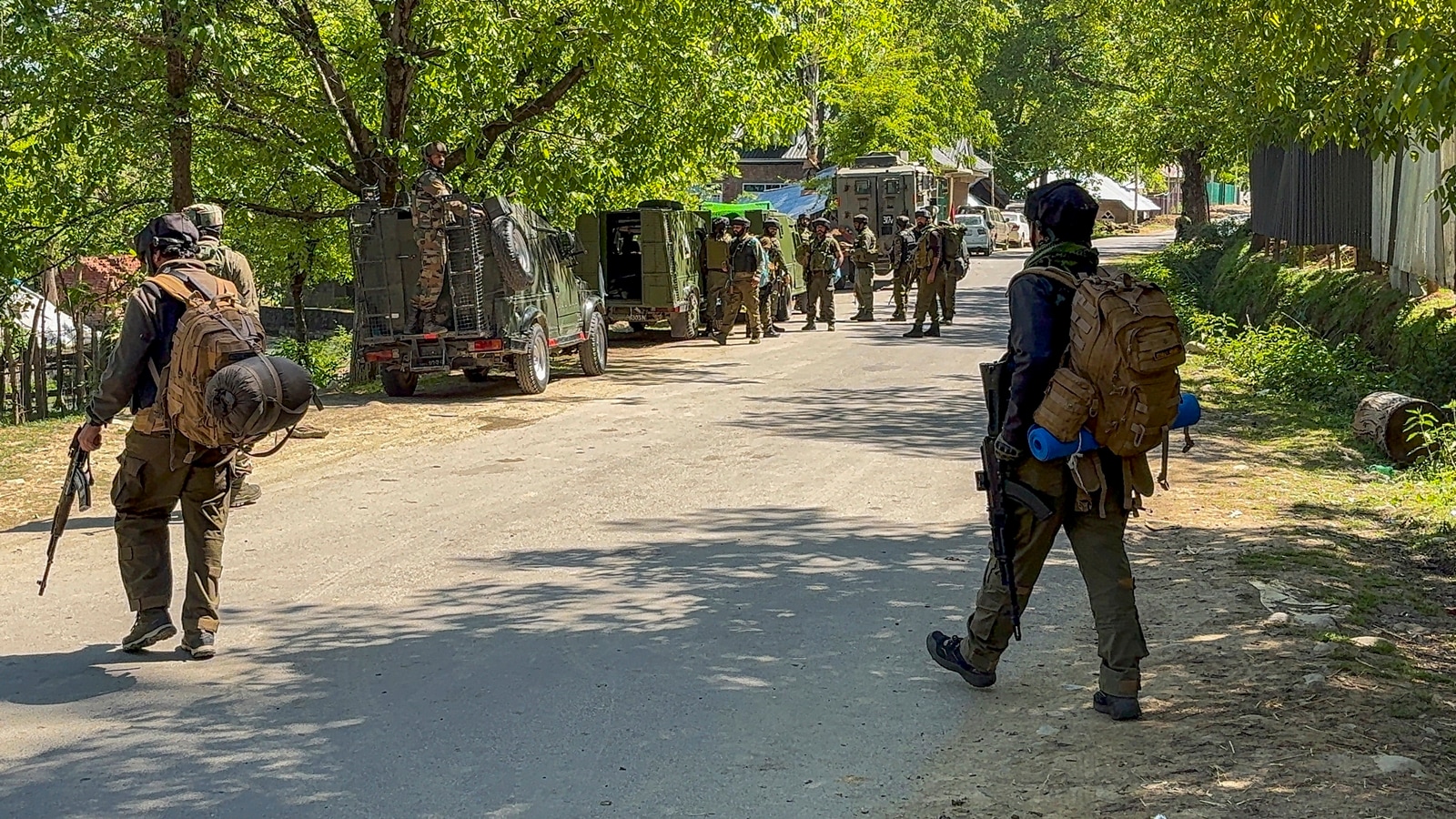
The apprehension of a Pakistani national near the Line of Control (LoC) in the Poonch district of Jammu and Kashmir by the Indian Army on Tuesday highlights the persistent tensions and security challenges in the region. This incident, confirmed by Army officials who stated that the individual is currently being questioned, occurs against a backdrop of escalating hostilities and heightened vigilance along the border. The context surrounding this event is crucial for understanding its implications and the broader geopolitical dynamics at play between India and Pakistan. The recent Pahalgam terror attack, which tragically claimed the lives of 25 tourists and a local pony-wallah, has significantly heightened tensions between the two nations. This incident served as a catalyst for increased security measures and heightened alert levels along the LoC, making any cross-border activity, such as the apprehension of a Pakistani national, a matter of serious concern. The article clearly states that since the Pahalgam attack, the border has been experiencing frequent ceasefire violations initiated by Pakistan. These violations, characterized by unprovoked small arms fire, have become a daily occurrence, prompting retaliatory actions from the Indian side. The geographical scope of these violations has also expanded, encompassing areas from the Kupwara-Baramulla districts in the Kashmir Valley to the Akhnoor sector in the Jammu region, indicating a widespread and sustained pattern of aggression. The escalation of cross-border firing can be traced back to India's decision to suspend the Indus Water Treaty, a long-standing agreement between the two countries regarding the sharing of water resources. While the exact causal relationship between the treaty suspension and the increased ceasefire violations remains complex and potentially multifaceted, the timing suggests a potential link. The article quotes the Army stating that Pakistan Army resorted to unprovoked small-arms firing from posts across the Line of Control in areas opposite Kupwara, Baramulla, Poonch, Rajauri, Mendhar, Naushera, Sunderbani, and Akhnoor in J&K during the night of May 5-6. The Army also asserts that it responded in a "proportionate manner," suggesting a calibrated approach aimed at deterring further aggression without escalating the conflict beyond manageable levels. A key observation highlighted in the article, citing The Indian Express, is the change in the pattern of ceasefire violations. Previously, these violations were typically confined to one or two specific areas before a period of relative calm would ensue. The establishment of a renewed ceasefire along the LoC in February 2021 brought a temporary respite to the region. However, the recent incidents deviate from this pattern, with simultaneous firing incidents occurring along the entire LoC in multiple sectors, both north and south of the Pir Panjal range. This shift suggests a deliberate strategy on the part of Pakistan to exert pressure along the entire border, potentially straining Indian resources and testing its resolve. The geography of the region plays a significant role in shaping the dynamics of the conflict. The southern parts of the Pir Panjal range, due to their unique terrain and topography, have historically been more prone to ceasefire violations. However, the recent expansion of firing incidents to the northern parts of the range signifies a departure from established norms and indicates a broader strategic objective. The apprehension of the Pakistani national and the ongoing ceasefire violations underscore the fragility of the security situation in the region and the complex challenges involved in maintaining peace and stability along the LoC. The incident serves as a reminder of the persistent threat of cross-border infiltration and the need for continued vigilance on the part of the Indian security forces. The questioning of the apprehended individual may provide valuable insights into the motives and intentions behind the cross-border activity, potentially shedding light on the broader strategic objectives of Pakistan in the region. The incident also has broader implications for India-Pakistan relations, which remain strained due to a range of unresolved issues, including the Kashmir dispute. The escalation of tensions along the LoC further complicates the prospects for dialogue and peaceful resolution of these issues. The international community is likely to be closely monitoring the situation, with calls for restraint and de-escalation from both sides. The potential for further escalation remains a significant concern, highlighting the urgent need for diplomatic efforts to address the underlying causes of the conflict and restore stability to the region.
The complexities of the India-Pakistan relationship are deeply rooted in historical grievances, territorial disputes, and ideological differences. The partition of India in 1947 created two independent nations, India and Pakistan, but also sowed the seeds of future conflicts. The unresolved issue of Kashmir, a region claimed by both countries, has been a constant source of tension and has led to several wars and skirmishes. The Line of Control, which divides the region between Indian-administered and Pakistani-administered Kashmir, remains a highly militarized zone and a flashpoint for conflict. The Pahalgam terror attack, mentioned in the article, serves as a stark reminder of the ongoing threat of terrorism in the region. India has consistently accused Pakistan of supporting and sponsoring cross-border terrorism, allegations that Pakistan denies. The presence of various militant groups operating in the region further complicates the security landscape and makes it difficult to achieve lasting peace. The Indus Water Treaty, despite its long history of successful implementation, has also become a point of contention between the two countries. India's decision to suspend the treaty, albeit temporarily, reflects its growing frustration with Pakistan's alleged support for terrorism and its perceived lack of cooperation on other issues. The treaty's suspension has raised concerns about the potential for water scarcity and ecological damage in the region, highlighting the interconnectedness of security, economic, and environmental challenges. The article's mention of the changing patterns of ceasefire violations is particularly noteworthy. The shift from isolated incidents to widespread firing along the entire LoC suggests a more deliberate and coordinated strategy on the part of Pakistan. This strategy could be aimed at testing Indian defenses, diverting resources, or creating a sense of instability in the region. The timing of these violations, following the suspension of the Indus Water Treaty, also raises questions about Pakistan's intentions and its willingness to abide by international agreements. The Indian Army's response to the ceasefire violations has been described as "proportionate," indicating a cautious approach aimed at avoiding escalation. However, the risk of miscalculation or unintended consequences remains ever-present. The highly volatile nature of the situation requires constant vigilance and effective communication channels between the two sides. The role of international actors, such as the United Nations and other major powers, is crucial in mediating the conflict and promoting dialogue between India and Pakistan. The international community can play a constructive role by urging both sides to exercise restraint, respect international law, and address the underlying causes of the conflict. The need for a comprehensive approach to security in the region is also evident. Military solutions alone cannot resolve the complex challenges facing India and Pakistan. A more holistic approach, involving economic development, social justice, and political dialogue, is necessary to address the root causes of conflict and create a more stable and prosperous future for the people of both countries. The apprehension of the Pakistani national near the LoC is just one small piece of a much larger and more complex puzzle. The incident serves as a reminder of the ongoing tensions and the urgent need for peaceful resolution of the outstanding issues between India and Pakistan.
The broader context of regional geopolitics also plays a crucial role in shaping the dynamics of the India-Pakistan relationship. The involvement of other regional powers, such as China and Afghanistan, further complicates the security landscape. China's growing economic and military influence in the region has raised concerns in India, particularly in the context of its close relationship with Pakistan. The China-Pakistan Economic Corridor (CPEC), a massive infrastructure project that passes through Pakistan-administered Kashmir, has been a source of contention between India and China. India views CPEC as a violation of its sovereignty and a threat to its security interests. The situation in Afghanistan also has a direct impact on the security of the region. The ongoing conflict in Afghanistan and the presence of various terrorist groups operating in the country pose a threat to both India and Pakistan. The withdrawal of international forces from Afghanistan has created a power vacuum and has led to increased instability in the region. The potential for spillover effects from Afghanistan, such as increased cross-border terrorism, is a major concern for both India and Pakistan. The need for regional cooperation on counter-terrorism is evident. India and Pakistan, despite their differences, share a common interest in combating terrorism and maintaining stability in the region. However, the lack of trust and the history of mutual accusations have hampered efforts to forge a meaningful counter-terrorism partnership. The article's focus on the Line of Control highlights the importance of border management in maintaining security and preventing infiltration. The LoC is a heavily fortified zone, but it remains vulnerable to cross-border movement by militants and other illicit actors. The use of technology, such as surveillance drones and thermal imaging cameras, can enhance border security and improve the detection of intruders. The importance of community engagement in border security should not be overlooked. Local communities living near the LoC can play a crucial role in providing information and alerting security forces to suspicious activity. Building trust and fostering cooperation between security forces and local communities is essential for effective border management. The incident involving the Pakistani national also underscores the need for improved intelligence gathering and analysis. Understanding the motives and intentions of individuals crossing the border is critical for preventing terrorist attacks and other security threats. Effective intelligence sharing between different agencies is also essential for ensuring a coordinated response to potential threats. The article concludes with a sense of uncertainty and concern about the future of India-Pakistan relations. The ongoing tensions along the LoC and the unresolved issues between the two countries create a climate of instability and raise the risk of further conflict. A sustained diplomatic effort is needed to address the underlying causes of the conflict and promote a peaceful resolution of the outstanding issues. The international community must continue to play a constructive role in mediating the conflict and urging both sides to exercise restraint and engage in dialogue. The people of India and Pakistan deserve a future of peace and prosperity, free from the threat of violence and conflict. Achieving this requires a commitment to dialogue, diplomacy, and mutual understanding.
Furthermore, examining the historical context of the LoC is crucial to understanding the current situation. The LoC, originally known as the Cease-Fire Line, was established in 1949 following the first Indo-Pakistani War. It was later renamed the Line of Control in 1972 as part of the Simla Agreement. This line, however, is not an internationally recognized border, and its disputed status remains a key source of tension. The article mentions that the apprehended Pakistani national was being questioned. The information gleaned from this interrogation could be invaluable in understanding the individual's motives and potential connections to militant groups or Pakistani intelligence agencies. Such information could also provide insights into Pakistan's broader strategy along the LoC and its intentions regarding cross-border activities. The concept of "proportionate" response, as mentioned in the article regarding the Indian Army's reaction to the ceasefire violations, is a critical element of conflict management. A proportionate response aims to deter further aggression without escalating the conflict to a full-blown war. However, determining what constitutes a proportionate response can be a complex and subjective matter, and miscalculations can have severe consequences. The role of media in reporting on events along the LoC is also significant. Media coverage can shape public opinion and influence political decisions. It is important for media outlets to report accurately and objectively, avoiding sensationalism or bias that could further inflame tensions. The article cites The Indian Express, highlighting the importance of responsible journalism in providing context and analysis of complex events. In addition to military and diplomatic efforts, there is a need for confidence-building measures to reduce tensions and promote trust between India and Pakistan. Such measures could include increased communication between military officials, joint patrols along the LoC, and cultural exchanges between the two countries. The involvement of civil society organizations in promoting peace and reconciliation is also important. These organizations can play a role in fostering dialogue and understanding between the people of India and Pakistan. The economic dimensions of the conflict should also be considered. The ongoing tensions along the LoC have a negative impact on economic development in the region. Increased security spending diverts resources from other important sectors, such as education and healthcare. A peaceful resolution of the Kashmir dispute could unlock significant economic opportunities for both India and Pakistan. The impact of climate change on the region should not be overlooked. Climate change is exacerbating existing challenges, such as water scarcity and food insecurity, and could further destabilize the region. Cooperation between India and Pakistan on climate change adaptation and mitigation is essential for ensuring the long-term sustainability of the region. The ultimate goal should be to transform the LoC from a line of conflict into a line of cooperation and connection. This requires a fundamental shift in mindset and a willingness to engage in constructive dialogue and compromise. The path to peace will not be easy, but it is essential for the future of the region and the well-being of the people of India and Pakistan.
In conclusion, the apprehension of a Pakistani national near the Line of Control serves as a stark reminder of the ongoing tensions and complexities surrounding the India-Pakistan relationship. This incident, coupled with the increased ceasefire violations and the backdrop of the Pahalgam terror attack, highlights the fragility of the security situation in the region. The historical context, geopolitical factors, and the intricate web of unresolved issues all contribute to the persistent challenges in maintaining peace and stability along the LoC. The need for a multi-faceted approach is evident. Military strength and vigilance are crucial for deterring aggression and protecting national security. However, these measures alone are insufficient to address the root causes of the conflict. Diplomatic efforts, confidence-building measures, and regional cooperation are equally essential for fostering trust and promoting peaceful resolution. The role of international actors, media, and civil society organizations in facilitating dialogue and promoting understanding cannot be understated. A comprehensive approach that addresses the economic, social, and environmental dimensions of the conflict is also necessary. Ultimately, achieving lasting peace requires a fundamental shift in mindset and a commitment to dialogue, diplomacy, and compromise. The people of India and Pakistan deserve a future free from the threat of violence and conflict, a future where they can live together in peace and prosperity. The path to this future will be challenging, but it is a path worth pursuing. The recent events along the LoC should serve as a catalyst for renewed efforts to build trust, promote dialogue, and create a more stable and prosperous future for the region. Ignoring the complexities and nuances of the situation would be detrimental to both nations and would perpetuate a cycle of violence and instability. The global community must also recognize its responsibility in fostering a conducive environment for peace and stability in the region. Through constructive engagement and support for diplomatic initiatives, the international community can play a vital role in helping India and Pakistan overcome their differences and build a better future for their people. The incident at the LoC is not just an isolated event; it is a reflection of the deep-seated challenges and opportunities that define the India-Pakistan relationship. Addressing these challenges and seizing these opportunities will require courage, vision, and a unwavering commitment to peace.
Source: Pakistani national apprehended by Army from near LoC, being questioned