
 |
|
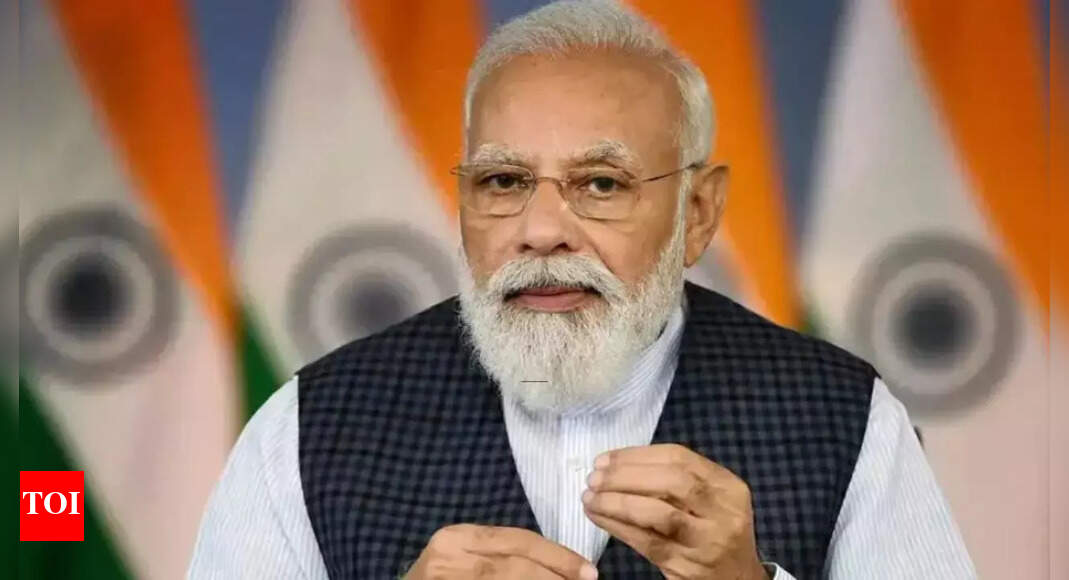
Prime Minister Narendra Modi's 122nd episode of Mann Ki Baat addressed a multitude of topics, ranging from national security and patriotism to wildlife conservation, rural development, and women's empowerment. A central theme throughout the address was the idea of a 'changing India,' a nation making strides in various fields and embracing its potential. The Prime Minister's remarks, while broad in scope, offered glimpses into specific initiatives and stories that he believes embody this transformation. He touched upon areas, which reflect social changes and economic progress and also provide positive narratives, which are a part of nation building. Modi tried to invoke a sense of unity, patriotism, and optimism among the citizens. His use of anecdotes and specific examples allows him to connect with his audience on a personal level and project himself as a leader closely in touch with the grassroots reality of India. The communication style is carefully constructed to resonate with a diverse population, from rural communities to urban centers, from the youth to the elderly. Operation Sindoor served as a powerful symbol of India's resolve against terrorism. Modi framed the operation not merely as a military action, but as a reflection of the country's courage and determination. The widespread displays of patriotism, including Tiranga Yatras and the naming of children 'Sindoor,' underscored the operation's impact on the national psyche. The Prime Minister also highlighted the surge in support for 'Vocal for Local' following the operation, suggesting a renewed commitment to Indian-made products and services. This emphasis on self-reliance and national pride is a recurring theme in Modi's speeches, aimed at fostering economic growth and reducing dependence on foreign goods. The Prime Minister's address also showcased positive developments in various sectors. The increase in the Asiatic lion population in Gir, Gujarat, is a testament to the success of conservation efforts. The improvement of bus services in Maoist-affected areas like Gadchiroli demonstrates progress in bringing development to marginalized regions. The hosting of Khelo India Games in Bihar highlights the state's growing prominence in the sporting arena. These examples, while seemingly disparate, are presented as evidence of India's overall progress and its ability to overcome challenges. Modi also emphasized the importance of women's empowerment, citing the example of women in Telangana using drones for agricultural purposes. He portrayed these women as 'sky warriors,' symbolizing their breaking down of traditional barriers and embracing new technologies. The Prime Minister's focus on women's contributions aligns with his government's broader efforts to promote gender equality and empower women in various fields. The 'Rising North East Summit' and the story of Dr. Chewang Norbu Bhutia from Sikkim further highlight the potential of India's diverse regions. Dr. Bhutia's initiative to provide skill training in weaving and promote self-reliance in the North East serves as an example of sustainable development and local entrepreneurship. The Prime Minister also acknowledged Gujarat's pioneering role in appointing women as forest officers, emphasizing the importance of gender equality in environmental conservation. Finally, Modi shared the inspiring story of Jeevan Joshi, a polio survivor from Uttarakhand who created a unique art form using pine tree bark. Joshi's resilience and creativity serve as a reminder of the human spirit's ability to overcome adversity and find beauty in unexpected places. Mann Ki Baat is not merely a radio address. It is also a strategic communication tool used by the Prime Minister to shape public opinion, promote government initiatives, and connect with citizens on a personal level. It is a platform where narratives about a changing India are crafted and disseminated, with the aim of fostering a sense of national pride, optimism, and collective responsibility.
Operation Sindoor, as presented by Prime Minister Modi, transcends its immediate military objective. It becomes a symbol of national unity, resolve, and a changing India. The strategic framing of the operation is designed to resonate with a broad audience, tapping into deeply held patriotic sentiments. By linking the operation to the widespread display of the tricolor and the naming of children, Modi creates a powerful narrative of collective identity and national pride. This narrative serves to legitimize the government's actions and garner public support for its policies. The emphasis on 'Vocal for Local' following Operation Sindoor further reinforces the message of self-reliance and economic nationalism. The Prime Minister's anecdote about parents pledging to buy only Indian-made toys exemplifies this shift in consumer behavior and a renewed commitment to supporting local businesses. This focus on economic self-reliance aligns with the government's broader agenda of promoting indigenous industries and reducing dependence on foreign imports. However, it is important to acknowledge that the 'Vocal for Local' movement is not without its critics. Some argue that it could lead to protectionism and hinder India's integration into the global economy. Others raise concerns about the quality and competitiveness of Indian-made products. Despite these concerns, the government's emphasis on 'Vocal for Local' remains a key pillar of its economic policy. The Prime Minister's highlighting of positive developments in various sectors, such as wildlife conservation, rural development, and sports, serves to paint a picture of a nation on the rise. The increase in the Asiatic lion population is presented as a success story, showcasing the effectiveness of conservation efforts. The improvement of bus services in Maoist-affected areas symbolizes progress in bringing development to marginalized regions. The hosting of Khelo India Games in Bihar highlights the state's growing prominence in the sporting arena. These examples, while carefully selected, provide a narrative of progress and optimism. However, it is important to acknowledge that these developments are not without their challenges. Wildlife conservation efforts face challenges such as habitat loss and human-animal conflict. Rural development initiatives often struggle with issues of corruption and inequality. The sporting infrastructure in many parts of India remains inadequate. Despite these challenges, the government's focus on these areas signals a commitment to addressing these issues and promoting inclusive growth. The Prime Minister's emphasis on women's empowerment is another key aspect of his address. The example of women in Telangana using drones for agricultural purposes is particularly powerful, as it showcases their breaking down of traditional barriers and embracing new technologies. This focus on women's contributions aligns with the government's broader efforts to promote gender equality and empower women in various fields. However, it is important to acknowledge that women in India still face significant challenges, including gender-based violence, discrimination in education and employment, and limited access to resources. The government's efforts to address these challenges are crucial for achieving true gender equality and realizing the full potential of India's women. The 'Rising North East Summit' and the story of Dr. Chewang Norbu Bhutia from Sikkim further highlight the potential of India's diverse regions. These examples underscore the importance of recognizing and supporting the unique strengths and challenges of different parts of the country. By promoting sustainable development and local entrepreneurship in the North East, the government aims to integrate the region more fully into the national economy and promote inclusive growth.
Modi's Mann Ki Baat effectively leverages storytelling and carefully selected examples to create a positive narrative about India's progress and potential. The emphasis on Operation Sindoor, conservation efforts, rural development, women's empowerment, and regional progress all contribute to this overarching theme. However, it is important to critically examine the claims made and consider the challenges that remain. While the increase in the Asiatic lion population is a positive sign, it is crucial to ensure the long-term sustainability of these populations and address the challenges of habitat loss and human-animal conflict. Similarly, while the improvement of bus services in Maoist-affected areas is a welcome development, it is important to address the root causes of Maoist violence and promote inclusive development that benefits all members of society. The success of women in Telangana using drones for agricultural purposes is inspiring, but it is crucial to ensure that all women have equal access to education, employment, and resources. The 'Rising North East Summit' is a positive initiative, but it is important to address the specific challenges facing the region, such as infrastructure development, connectivity, and security. The story of Jeevan Joshi is a testament to the human spirit's ability to overcome adversity, but it is important to ensure that all people with disabilities have access to equal opportunities and support. In conclusion, Modi's Mann Ki Baat provides a snapshot of India's progress and potential, but it is crucial to approach these claims with a critical eye and acknowledge the challenges that remain. By promoting inclusive growth, addressing inequalities, and empowering all members of society, India can truly realize its potential and become a global leader. The strategic communication and carefully chosen narratives are meant to build a sense of national pride and unity. However, it's essential to remain aware of the complexities and challenges that still exist and to continue striving for a more equitable and prosperous future for all Indians. The use of specific stories, like that of Jeevan Joshi, helps personalize the message and makes it relatable to a wider audience. The focus on grassroots initiatives and local success stories resonates with the common citizen and promotes a sense of hope and optimism. Modi is effectively creating a positive image of India by highlighting areas of progress and showcasing the resilience and resourcefulness of its people. This approach is designed to inspire confidence and encourage greater participation in the nation-building process. While acknowledging the potential limitations of such a curated narrative, it’s also essential to recognize the strategic importance of positive messaging in fostering national unity and promoting social and economic development. The Prime Minister's consistent use of this platform to communicate directly with the public demonstrates the continued significance of radio and other traditional media in reaching a diverse population, particularly in rural areas. The blend of national-level policy announcements with local-level success stories allows Modi to connect with both individual citizens and broader communities, reinforcing his image as a leader attuned to the needs and aspirations of all Indians. The overall effect is a carefully crafted message of progress, unity, and hope, designed to inspire confidence in the government's policies and promote a sense of collective national identity.
Source: Operation Sindoor face of changing India: PM Modi in Mann Ki Baat - Key highlights