
 |
|
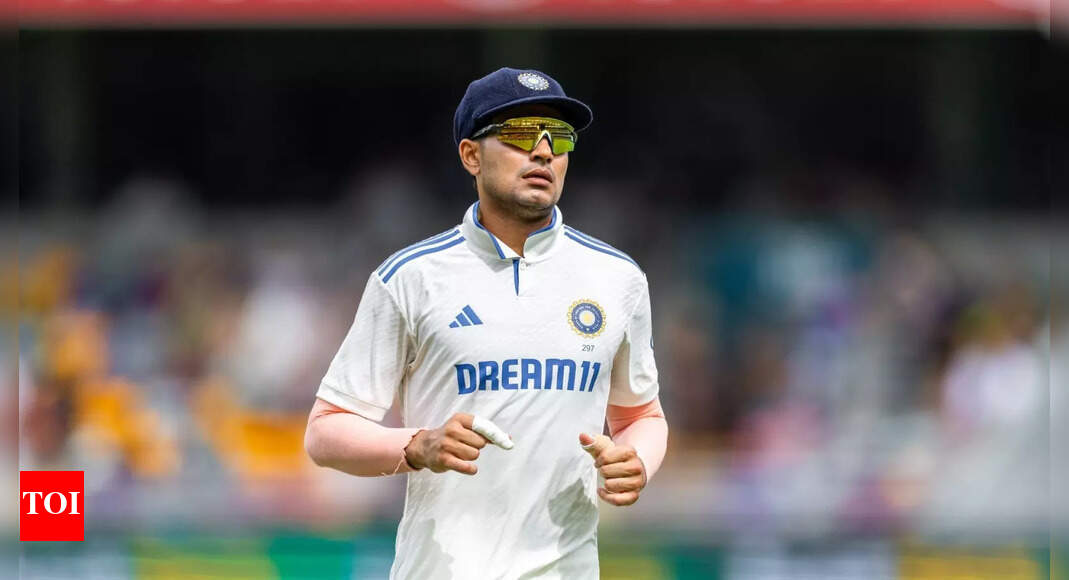
The elevation of Shubman Gill to the captaincy of the Indian Test team has ignited a spirited debate within the cricketing fraternity. While some view it as a bold and visionary move, others express reservations, questioning whether the young batsman is truly ready for the immense pressures and responsibilities that come with leading the national side in the longest format of the game. The decision, seemingly sudden to many, was apparently a carefully considered plan by the Indian selectors, who had identified Gill as a potential leader long before his official appointment. This foresight was evident even during India's T20 World Cup campaign in the USA and West Indies, where, despite being a travelling reserve, Gill's leadership qualities were already being assessed. The immediate aftermath of the World Cup saw him being entrusted with the captaincy for the five-match T20I series against Zimbabwe, a series India won convincingly 4-1. This victory served as a crucial stepping stone, providing Gill with invaluable experience in managing a team and making strategic decisions under pressure. Rahul Dravid, the head coach at the time, played a significant role in endorsing Gill's elevation, recognizing his potential and the need to groom him for future leadership roles within the team. Former India pacer and ex-national selector Salil Ankola wholeheartedly supports the decision, hailing Gill as the “best choice” for the captaincy. Ankola emphasizes Gill's youthfulness, dynamism, and the importance of providing him with the confidence to thrive in the role. He also suggests that the captaincy should have been conferred upon him earlier, allowing him to benefit from the presence and guidance of seasoned players like Rohit Sharma and Virat Kohli. Arvinder Singh Lovely, CEO of Gujarat Titans, echoes this sentiment, highlighting Gill's exceptional leadership abilities during his tenure with the IPL franchise. Lovely asserts that Gill's adaptability and strategic acumen were evident, making his transition to a leadership role inevitable. However, not everyone shares this unequivocal optimism. Former India skipper Dilip Vengsarkar offers a more cautious perspective, stating that the selectors must have strong faith in Gill's leadership qualities to make such a bold move. Vengsarkar acknowledges Gill's talent as a batsman but emphasizes the need to observe how he performs under the added pressure of captaincy, particularly in challenging conditions like those expected in England. Karsan Ghavri, a former India seamer who scouted Gill at a young age, expresses significant reservations. He believes that leading the Test team is fundamentally different from leading an IPL franchise, citing the immense pressure and responsibility that come with the role. Ghavri questions Gill's ability to handle the added burden while maintaining his batting form and worries about his lack of experience leading a relatively young and inexperienced team. He views the upcoming tour of England as a “Herculean task,” highlighting the formidable challenge that awaits Gill and his team. The debate surrounding Gill's captaincy highlights the complex considerations involved in selecting a leader for the Indian Test team. It is a decision that balances potential with proven experience, long-term vision with immediate challenges. While Gill's youthfulness and dynamism offer a fresh perspective and the potential for long-term stability, his relative inexperience raises concerns about his ability to handle pressure and guide a young team through difficult situations. The tour of England will undoubtedly serve as a crucial test, providing a valuable assessment of Gill's leadership capabilities and the wisdom of the selectors' decision. The outcome will not only shape the future of the Indian Test team but also determine whether Gill can successfully navigate the transition from talented batsman to respected captain. The weight of expectations rests heavily on his shoulders as he prepares to lead India into a new era.
The primary argument in favor of Shubman Gill's appointment rests on the premise of long-term planning and investment in youth. By entrusting the captaincy to a young player, the selectors are essentially building for the future, fostering a leader who can guide the team for years to come. This approach allows Gill to grow into the role, gaining experience and developing his leadership skills over time. Furthermore, his dynamism and fresh perspective can inject new energy and creativity into the team's strategies. Gill's success in leading the Gujarat Titans in the IPL demonstrates his ability to handle pressure, make strategic decisions, and inspire his teammates. This experience, while not directly comparable to Test cricket, provides a valuable foundation for his leadership journey. The support of influential figures like Rahul Dravid and Salil Ankola further validates the decision, indicating a consensus among key stakeholders that Gill possesses the necessary qualities to succeed. Moreover, the timing of the appointment, while seemingly premature to some, can be viewed as a strategic move to allow Gill to learn from his mistakes and develop his leadership style without the overwhelming pressure of being solely responsible for the team's success. With experienced players still in the squad, Gill can benefit from their guidance and mentorship, gradually assuming more responsibility as he gains confidence and experience.
Conversely, the primary concern regarding Shubman Gill's captaincy stems from his relative inexperience, particularly in the context of Test cricket. Leading a national Test team is a significantly different challenge than leading an IPL franchise. The pressures are immense, the scrutiny is intense, and the strategic complexities are far greater. Gill's limited experience in first-class cricket and his lack of captaincy experience at the senior level raise questions about his ability to handle these pressures and make sound decisions under duress. The absence of experienced players like Rohit Sharma and Virat Kohli, while creating an opportunity for Gill, also deprives him of valuable mentorship and guidance. Leading a young and inexperienced team in challenging conditions, such as those expected in England, presents a formidable challenge that could potentially overwhelm Gill. The risk is that the added pressure of captaincy could negatively impact his batting performance, hindering his development as a player and undermining the team's overall performance. Furthermore, the decision to appoint Gill as captain without a clear succession plan in place raises concerns about the long-term stability of the team. If Gill struggles or is unable to adapt to the demands of captaincy, it could create instability and uncertainty within the team, potentially disrupting its progress. The opposing viewpoints underscore the inherent risks and rewards associated with appointing a young and relatively inexperienced player as captain of the Indian Test team. The success of this decision will ultimately depend on Gill's ability to rise to the challenge, adapt to the pressures, and effectively lead the team both on and off the field.
Source: Too soon or perfect timing? Experts weigh in on Shubman Gill's elevation as India Test captain