
 |
|
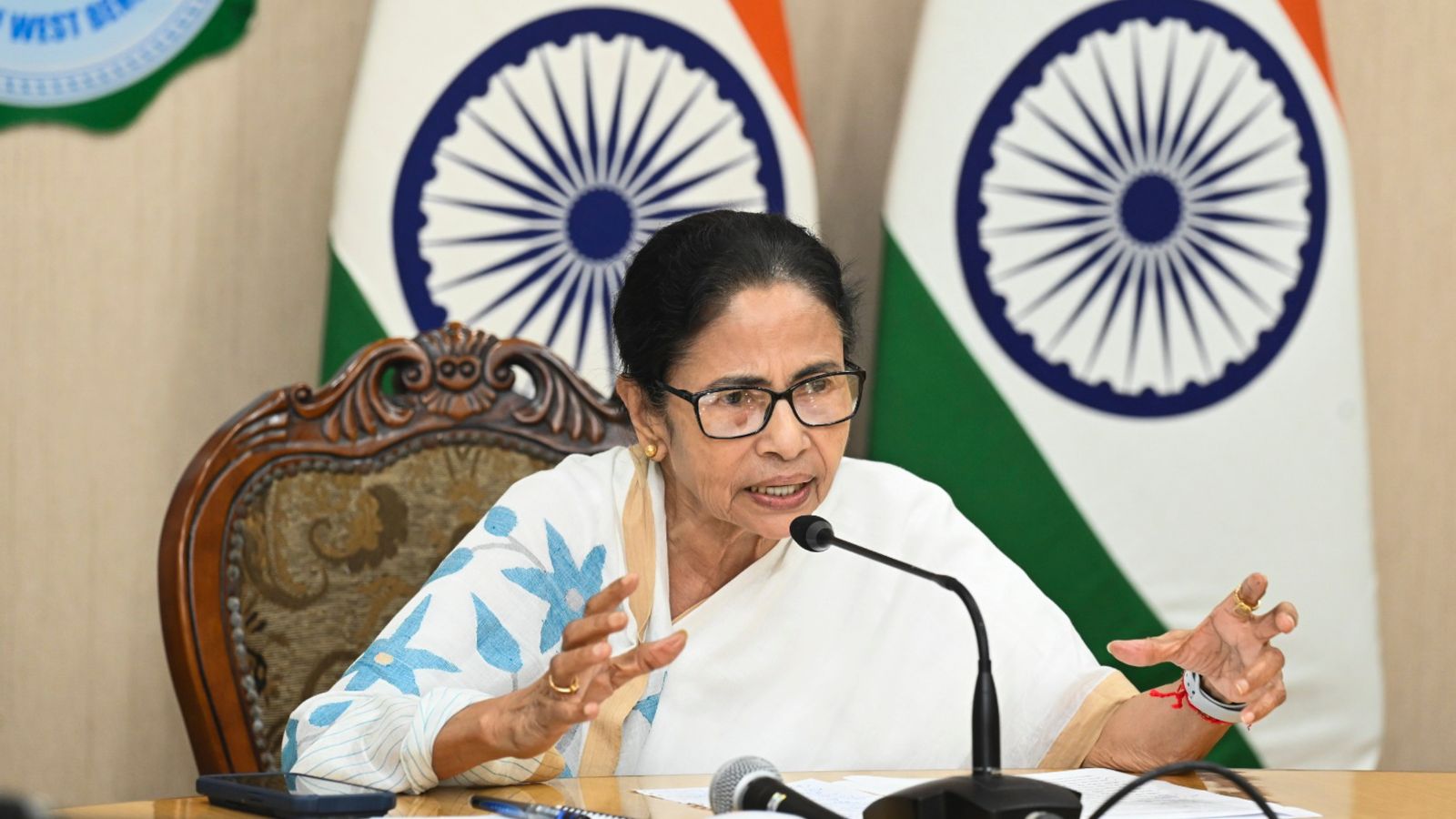
The political landscape of West Bengal is witnessing heightened tensions as Chief Minister Mamata Banerjee has launched a scathing attack against Prime Minister Narendra Modi, accusing him of exploiting the ‘Operation Sindoor’ initiative for political advantage ahead of upcoming elections. This accusation, delivered during a press conference, is not merely a casual remark but represents a significant escalation in the ongoing political rivalry between the Trinamool Congress (TMC) and the Bharatiya Janata Party (BJP). Banerjee's core argument revolves around the timing and intent of Modi's actions, suggesting that the Prime Minister is leveraging a sensitive issue—the security and respect of women—to bolster his party's image and electoral prospects. She explicitly stated that Modi is attempting to “sell Sindoor” for political gain, a statement laden with symbolic weight given the cultural significance of sindoor as a symbol of marriage and womanhood in India. The chief minister portrays Modi’s actions as an insult to the women of Bengal and the country. This narrative seeks to resonate with a broad base of female voters, a demographic that plays a crucial role in determining electoral outcomes. Further compounding the political drama, Banerjee also raised concerns about the ongoing investigation into the Pahalgam terror attack, questioning the delay in apprehending the perpetrators. She juxtaposed this issue with Modi’s perceived eagerness to capitalize on Operation Sindoor, insinuating that the Prime Minister is prioritizing political optics over substantive action on critical security matters. The reference to US President Donald Trump’s claim of mediating between India and Pakistan adds another layer of complexity to her critique, suggesting that Modi’s government is overly sensitive to international pressure while neglecting pressing domestic concerns. Banerjee's broader strategy appears to be twofold: first, to delegitimize Modi’s moral authority by portraying him as opportunistic and insensitive to genuine security concerns; and second, to rally support for her own party by positioning the TMC as the defender of Bengal’s cultural values and the champion of women’s rights. This is evident in her challenge to Modi for a public debate on television, an offer that seeks to elevate her standing as a formidable political adversary capable of holding the Prime Minister accountable. The political rhetoric employed by Banerjee is carefully calibrated to appeal to regional sentiments and to portray the BJP as an external force attempting to undermine Bengal’s unique identity. Her claim that BJP leaders are advocating for an “Operation Bengal” akin to Operation Sindoor further reinforces this narrative, suggesting that the BJP is planning a large-scale intervention in the state’s affairs. This framing is intended to galvanize local support for the TMC and to counter the BJP’s growing influence in West Bengal. Moreover, Banerjee’s emphasis on the state’s dues from the central government (amounting to Rs 1,75,000 crore) adds an economic dimension to her critique, highlighting what she perceives as the Centre’s neglect of Bengal’s financial needs. This argument aims to resonate with ordinary citizens who may be experiencing economic hardship and who may view the central government as unresponsive to their concerns. Overall, Mamata Banerjee’s attack on Narendra Modi is a multifaceted political maneuver designed to undermine the Prime Minister’s credibility, mobilize support for the TMC, and position herself as the leading voice of opposition against the BJP in West Bengal. The success of this strategy will depend on her ability to effectively communicate her message to voters and to counter the BJP’s own narrative about development and national security.
The ramifications of Mamata Banerjee's recent criticisms extend beyond the immediate political skirmish, touching upon broader issues of federal relations, national security debates, and the ethical considerations of political campaigning in a diverse and sensitive nation like India. Her allegations that Prime Minister Modi is exploiting Operation Sindoor for political gain raise fundamental questions about the boundaries between legitimate political messaging and the instrumentalization of sensitive issues for electoral advantage. Operation Sindoor, presumably a security operation, gains immediate political weight as it gets named and used in speeches. The core of Banerjee’s criticism lies in her perception that the BJP is attempting to capitalize on a matter that should be above partisan politics, particularly one related to the safety and dignity of women. By framing Modi’s actions as an “insult to women,” she is appealing to a moral argument that transcends traditional political divides. This strategy aims to resonate with voters who may be skeptical of politicians who appear to be exploiting sensitive issues for personal or party gain. The emphasis on the timing of Modi’s remarks is also crucial to Banerjee’s argument. By pointing out that these statements are being made during what she perceives as an inappropriate time—presumably a period of national mourning or heightened security concerns—she seeks to portray Modi as insensitive and opportunistic. This framing is intended to undermine Modi’s credibility and to raise questions about his judgment as a leader. Furthermore, Banerjee’s broader critique of the central government’s policies and actions underscores the ongoing tensions between the TMC-led West Bengal government and the BJP-led central government. Her emphasis on the state’s outstanding dues and her complaints about being sidelined at Niti Aayog meetings reflect a deeper sense of grievance and a perception that the central government is not treating West Bengal fairly. This narrative resonates with regional sentiments and reinforces the TMC’s claim to be the defender of Bengal’s interests against perceived encroachment from New Delhi. The challenge to Modi for a public debate on television represents a bold strategic move designed to elevate Banerjee’s national profile and to position her as a leading voice of opposition against the BJP. By inviting Modi to engage in a direct confrontation, she is seeking to demonstrate her intellectual and rhetorical prowess and to expose what she perceives as the weaknesses in Modi’s policies and arguments. This challenge also serves to energize her own party and to rally supporters behind her leadership. The political implications of Banerjee’s criticisms are far-reaching. Her actions have the potential to galvanize opposition forces across the country and to create a more unified front against the BJP. By raising questions about Modi’s ethics and his commitment to the well-being of all citizens, she is challenging the narrative of strong leadership and national unity that the BJP has cultivated over the past decade. However, Banerjee’s strategy also carries risks. Her harsh rhetoric and confrontational style may alienate some voters and could be perceived as divisive or disruptive. Additionally, her own track record as Chief Minister is likely to come under scrutiny, and she may face challenges in defending her government’s policies and performance. Ultimately, the success of Banerjee’s strategy will depend on her ability to effectively communicate her message to voters and to persuade them that she offers a credible alternative to the BJP’s leadership. Her actions have undoubtedly injected new energy into the political landscape of West Bengal and have set the stage for a fierce and closely contested battle in the upcoming elections.
The escalating political feud between Mamata Banerjee and Narendra Modi, fueled by accusations surrounding “Operation Sindoor,” reflects deeper structural issues within the Indian political system and highlights the complexities of managing federal relations in a diverse and decentralized nation. Banerjee’s aggressive stance against Modi and the BJP, particularly her characterization of their actions as manipulative and insensitive, underscores the significant ideological divide that separates the Trinamool Congress from the ruling party. This ideological chasm extends beyond specific policy differences and touches upon fundamental questions about the nature of Indian nationalism, the role of regional identities, and the balance of power between the center and the states. Banerjee's accusations also serve as a powerful reminder of the continuing relevance of identity politics in India. By framing Modi’s actions as an insult to the women of Bengal, she is appealing to a specific cultural and gender identity, tapping into deep-seated sentiments of regional pride and female empowerment. This strategy is particularly effective in West Bengal, where regional identity is strong and where women play a crucial role in the state’s political landscape. The dispute over financial allocations and the perceived marginalization of West Bengal in national forums like Niti Aayog further underscore the challenges of managing federal relations in India. The central government’s control over financial resources and its ability to set national policy agendas can create tensions with states that feel their interests are not adequately represented. Banerjee’s complaints about these issues reflect a broader concern among regional leaders that the central government is becoming increasingly centralized and is encroaching upon the autonomy of the states. The challenge to Modi for a public debate on television represents a significant gamble for Banerjee. While such a debate could potentially elevate her national profile and energize her supporters, it also carries the risk of exposing her to criticism and scrutiny on a national stage. Moreover, the nature of televised debates often prioritizes style over substance, which could disadvantage Banerjee if she is unable to effectively counter Modi’s communication skills and political messaging. The broader implications of this political feud extend beyond the immediate electoral prospects of the TMC and the BJP. The escalating tensions between Banerjee and Modi contribute to a climate of political polarization, making it more difficult to find common ground on important national issues. This polarization can undermine public trust in government and can make it more challenging to address complex challenges such as economic development, social inequality, and environmental sustainability. Furthermore, the focus on personality-driven politics and the use of emotionally charged rhetoric can detract from more substantive policy debates. When political leaders prioritize attacking their opponents over offering concrete solutions to pressing problems, it can lead to a decline in the quality of public discourse and can make it more difficult to find effective and sustainable solutions. In conclusion, the political feud between Mamata Banerjee and Narendra Modi represents a complex and multifaceted phenomenon that reflects deeper structural issues within the Indian political system. By understanding the ideological, cultural, and economic dimensions of this conflict, we can gain a deeper appreciation of the challenges and opportunities facing Indian democracy in the 21st century.
Source: Mamata hits back: ‘PM using Operation Sindoor as poll plank to gain political mileage’