
 |
|
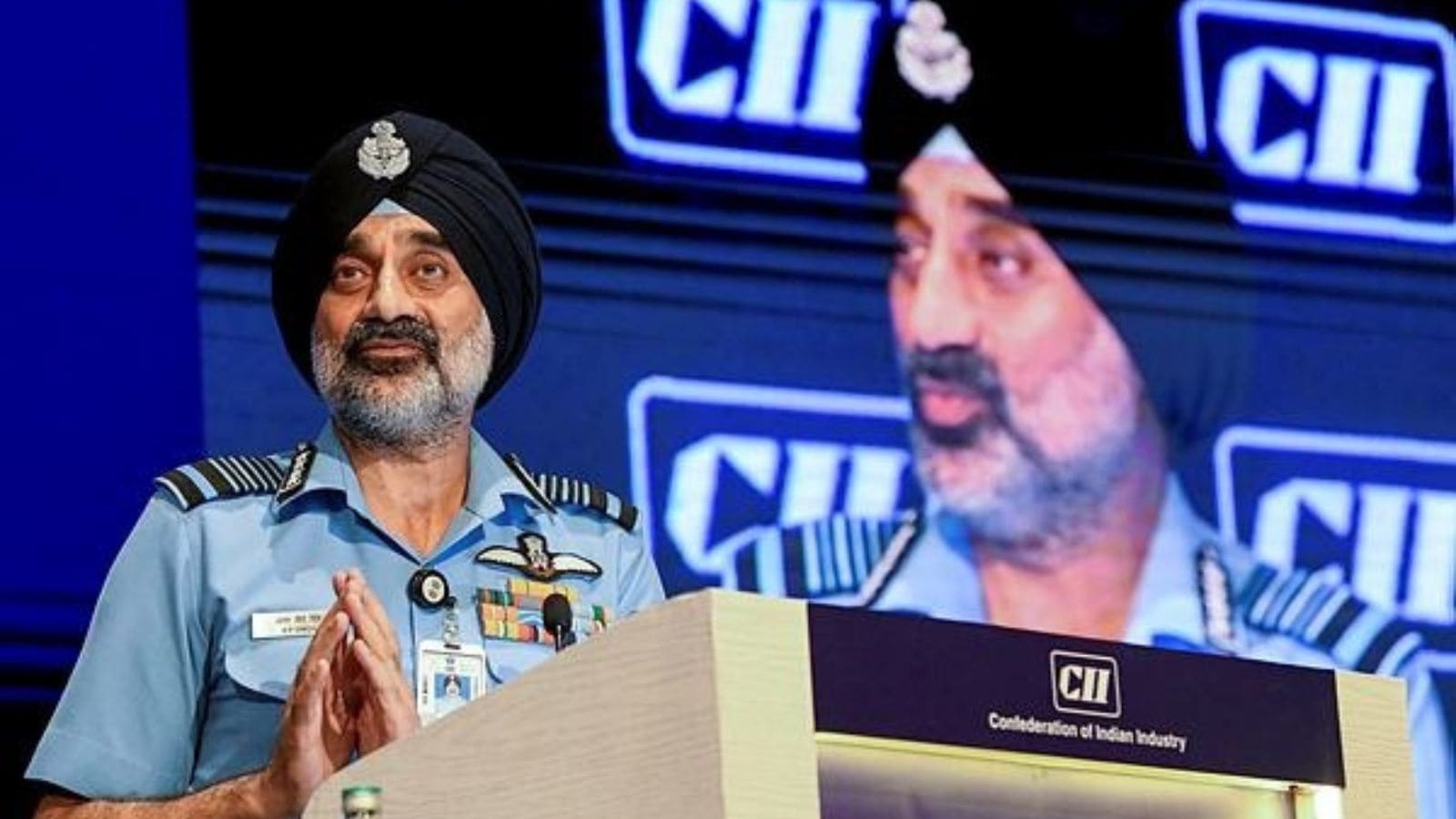
Air Chief Marshal A.P. Singh's address at the CII Annual Business Summit has brought to the forefront a critical issue plaguing India's defense sector: persistent delays in the procurement of essential military platforms. His candid remarks, particularly his question, “Why should we promise something which cannot be achieved?”, underscore a systemic problem that requires immediate attention and comprehensive reform. Singh’s assertion that no project he can recall has been completed on schedule paints a stark picture of inefficiencies and challenges within the defense acquisition process. The consequences of these delays are far-reaching, impacting the operational readiness of the Indian armed forces, hindering modernization efforts, and potentially compromising national security. A modernized and well-equipped air force is absolutely critical to national security, and delays in essential platform procurement undermines this. Singh's pointed critique of the practice of signing contracts with the awareness that their fulfillment is unlikely highlights a deeper issue of unrealistic timelines, bureaucratic hurdles, and potentially a lack of accountability within the system. This practice, he argues, “vitiates” the entire procurement process, leading to further delays and potentially compromising the quality of the acquired equipment. This is an important point to take note of, as the signing of contracts should mark a serious commitment to acquisition, not a symbolic gesture. The reference to the delayed deliveries of the 83 Light Combat Aircraft Tejas Mk 1A from Hindustan Aeronautics Limited (HAL) serves as a specific example of the challenges faced in indigenous defense production. While the contract was signed in 2021, the delays raise concerns about HAL's capacity to meet production timelines and the overall efficiency of the domestic defense industry. This instance further emphasizes the urgent need for reforms to streamline processes, enhance coordination, and improve accountability within the defense manufacturing ecosystem. The delay in the Tejas program raises concerns about India's ability to promote indigenization and self-reliance in defense, undermining efforts to reduce dependence on foreign suppliers.
Singh’s emphasis on the criticality of air power underscores the importance of a robust and technologically advanced air force for India’s national security. He correctly points out that no operations can be done without it, highlighting its central role in modern warfare and conflict resolution. His reference to Operation Sindoor serves as a reminder of the IAF’s vital contribution to national security, and the need to continuously invest in its capabilities. Further, Singh's call for a shift from merely “producing in India” to “designing and developing in India” reflects a strategic vision for achieving true self-reliance (atmanirbharta) in the defense sector. This requires a concerted effort to invest in research and development, foster innovation, and build a strong indigenous defense industrial base. By prioritizing indigenous design and development, India can reduce its dependence on foreign technology, enhance its strategic autonomy, and create a competitive advantage in the global defense market. This is an important goal for India to strive for. In the pursuit of self-reliance, Singh stresses the need for trust and open communication between the armed forces and the defense industry. This collaborative approach is crucial for fostering innovation, addressing challenges, and ensuring that the industry can effectively meet the needs of the armed forces. By fostering a culture of transparency and mutual understanding, both parties can work together to develop solutions that are tailored to India's specific requirements and operational contexts. Such relationships are incredibly important, as are open dialogues between the armed forces and industry. The IAF’s commitment to the Make in India programme is commendable. However, the realization that atmanirbharta is the only sustainable solution underscores the urgent need to accelerate indigenous defense production and reduce reliance on foreign imports. This shift in focus requires a multi-pronged approach, including policy reforms, financial incentives, technology transfer, and skill development.
Singh's concern about being “future-ready” highlights the need for a proactive and forward-looking approach to defense planning and procurement. While acknowledging the potential for increased output from the Indian industry and the Defence Research and Development Organisation (DRDO) in the next decade, he rightly emphasizes that the requirements of today must be addressed urgently. This underscores the need for a balanced approach that combines long-term strategic goals with short-term operational needs. By prioritizing “quick Make in India programmes,” India can address immediate capability gaps while simultaneously investing in long-term indigenous design and development initiatives. This two-pronged strategy is essential for ensuring that India maintains a credible defense posture in the face of evolving security threats. It is important to take into account today's needs while also looking to the future, and it is also important to be agile. The Air Chief Marshal’s remarks serve as a wake-up call for the Indian defense establishment. The delays in procurement, the unrealistic timelines, and the lack of accountability must be addressed with urgency and determination. By implementing comprehensive reforms, fostering collaboration between the armed forces and the industry, and prioritizing indigenous design and development, India can achieve its goal of atmanirbharta and ensure a strong and technologically advanced defense force capable of safeguarding its national interests. Ultimately, a successful defense procurement process is vital for protecting the security interests of the country. The time for change is now. Failure to address these critical issues will not only undermine the operational readiness of the armed forces but also compromise India's ability to project power and influence in the region. The insights shared by Singh offer a roadmap for reform, and it is imperative that the government and all stakeholders act decisively to implement these changes and create a more efficient, effective, and self-reliant defense sector.