
 |
|
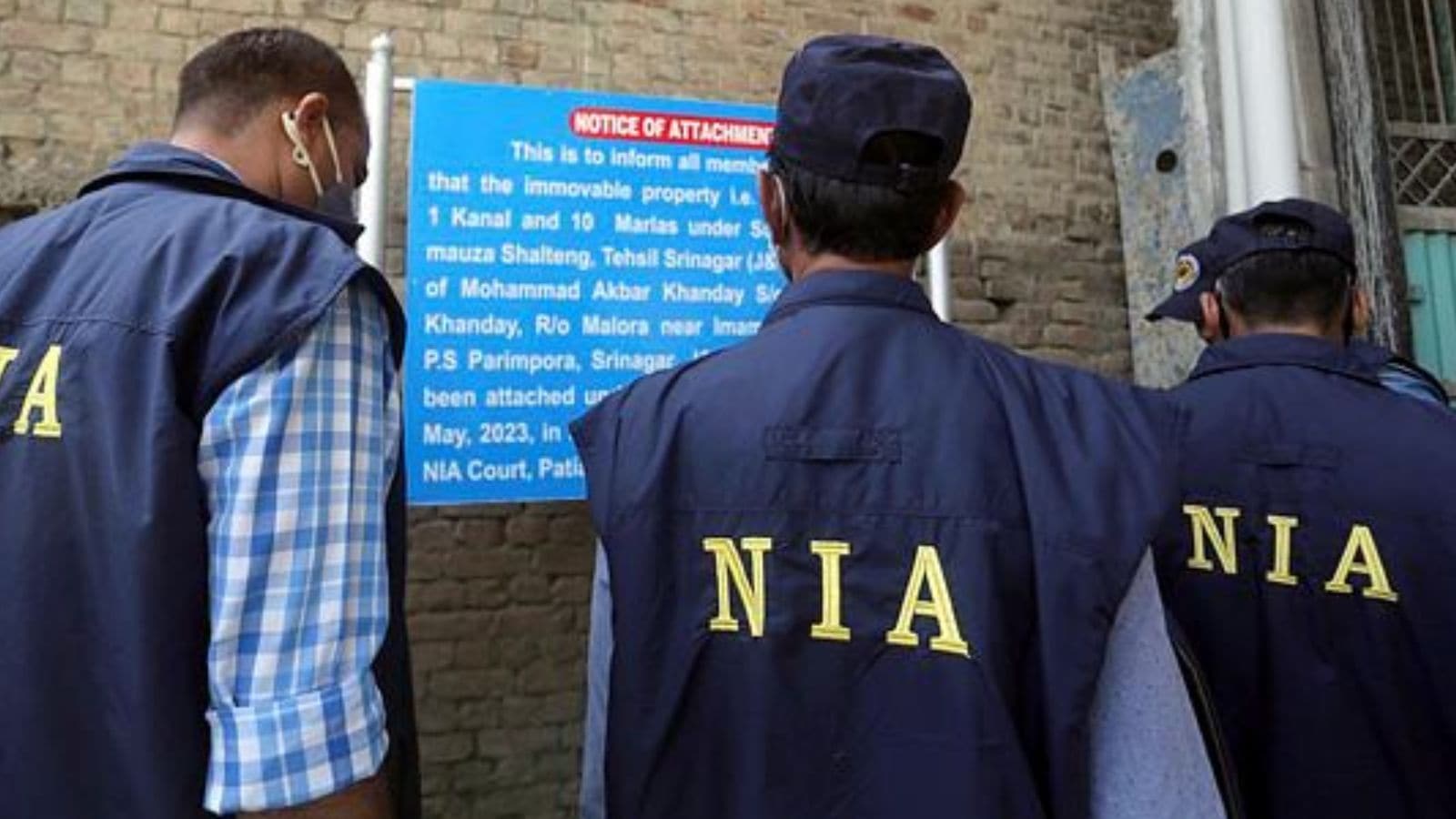
The National Investigation Agency (NIA) has recently apprehended a member of the Central Reserve Police Force (CRPF) on charges of compromising national security by divulging sensitive information to Pakistani intelligence operatives. This arrest, executed in Delhi, underscores the persistent threat of espionage and the vulnerabilities within security agencies that foreign adversaries seek to exploit. The incident highlights not only the importance of rigorous vetting processes and continuous monitoring of personnel within critical infrastructure but also the evolving tactics employed by intelligence agencies to gather information through clandestine means. The NIA's swift action in this case demonstrates a commitment to safeguarding national interests and holding accountable those who betray their oaths of service. This situation raises several critical questions about the motivations behind the CRPF personnel's actions, the extent of the information compromised, and the potential damage inflicted upon national security. Understanding the factors that led to this breach is crucial for developing effective countermeasures and preventing similar incidents in the future. Furthermore, the case serves as a stark reminder of the need for enhanced cybersecurity measures and awareness programs to protect sensitive data from falling into the wrong hands. The implications of this incident extend beyond the immediate arrest and investigation, necessitating a comprehensive review of security protocols and intelligence-gathering capabilities to mitigate future risks.
The investigation into this case is expected to be extensive, delving into the details of the classified information shared with Pakistani intelligence, the methods of communication used, and the individuals involved in facilitating the exchange. The NIA will likely examine the financial transactions between the CRPF personnel and his Pakistani contacts, tracing the flow of funds and identifying any potential accomplices. The interrogation of the arrested individual will be crucial in uncovering the full extent of the conspiracy and gaining insights into the motivations behind his actions. Was he motivated by financial gain, ideological alignment, or coercion? Understanding the underlying factors that drove him to betray his country is essential for developing effective counter-espionage strategies. Moreover, the investigation will likely involve analyzing the CRPF personnel's digital footprint, including his online activities, social media interactions, and communication logs, to identify any potential red flags or patterns of suspicious behavior. This type of forensic analysis can provide valuable clues about his contacts, intentions, and the duration of his involvement in espionage activities. The NIA will also collaborate with other intelligence agencies to assess the potential damage caused by the compromised information and to identify any vulnerabilities that may have been exploited. This collaborative effort is crucial for developing a comprehensive understanding of the threat landscape and for implementing appropriate security measures to prevent future breaches.
The dismissal of the CRPF personnel from his services is a standard procedure in cases of such grave misconduct. It sends a clear message that such actions will not be tolerated and that those who betray their oaths of service will face severe consequences. However, dismissal alone is not sufficient to address the underlying issues that led to this breach. It is essential to implement comprehensive reforms within security agencies to strengthen vetting processes, enhance monitoring capabilities, and promote a culture of integrity and accountability. Regular security audits and vulnerability assessments should be conducted to identify and address potential weaknesses in the system. Furthermore, awareness programs should be implemented to educate personnel about the risks of espionage and the importance of safeguarding sensitive information. These programs should emphasize the potential consequences of betraying national security and the ethical obligations of those entrusted with protecting the country. In addition, efforts should be made to improve the overall morale and well-being of security personnel, as factors such as job dissatisfaction and financial pressures can sometimes contribute to vulnerabilities. By addressing these underlying issues, it is possible to create a more resilient and secure environment that is less susceptible to espionage and other forms of security breaches.
The incident involving the CRPF personnel highlights the ongoing challenges of counter-espionage and the need for constant vigilance in the face of evolving threats. Foreign intelligence agencies are continuously seeking to exploit vulnerabilities within security agencies and to gather information through clandestine means. They may use a variety of tactics, including bribery, coercion, and deception, to recruit individuals to betray their country. Therefore, it is essential to develop robust counter-espionage strategies that are tailored to the specific threats faced by each agency. These strategies should include proactive measures to identify and disrupt espionage activities, as well as reactive measures to mitigate the damage caused by successful breaches. Furthermore, it is important to foster a strong working relationship between intelligence agencies and law enforcement agencies to ensure that potential threats are identified and addressed in a timely and effective manner. This collaboration should involve the sharing of information, the coordination of investigations, and the joint development of counter-espionage strategies. By working together, these agencies can create a more comprehensive and effective defense against espionage and other forms of national security threats.
In conclusion, the arrest of the CRPF personnel for sharing classified information with Pakistan underscores the persistent threat of espionage and the importance of safeguarding national security. The NIA's swift action in this case demonstrates a commitment to holding accountable those who betray their oaths of service. However, this incident also highlights the need for comprehensive reforms within security agencies to strengthen vetting processes, enhance monitoring capabilities, and promote a culture of integrity and accountability. By addressing the underlying issues that led to this breach, it is possible to create a more resilient and secure environment that is less susceptible to espionage and other forms of security breaches. The investigation into this case is expected to be extensive, delving into the details of the compromised information, the methods of communication used, and the individuals involved in facilitating the exchange. The NIA will likely examine the financial transactions between the CRPF personnel and his Pakistani contacts, tracing the flow of funds and identifying any potential accomplices. The interrogation of the arrested individual will be crucial in uncovering the full extent of the conspiracy and gaining insights into the motivations behind his actions. This incident serves as a stark reminder of the need for constant vigilance and the importance of working together to protect national security. The ongoing challenges of counter-espionage require a comprehensive and coordinated approach that involves intelligence agencies, law enforcement agencies, and other stakeholders. By fostering a strong working relationship between these entities, it is possible to create a more effective defense against espionage and other forms of national security threats.
The digital age has introduced new avenues for espionage, making it easier for individuals to access and share sensitive information. Cyberattacks, phishing scams, and social engineering tactics are increasingly used to steal data and compromise systems. Therefore, it is essential to implement robust cybersecurity measures to protect against these threats. This includes investing in advanced technologies, such as intrusion detection systems, firewalls, and data encryption, as well as training personnel to recognize and avoid cyberattacks. Furthermore, it is important to regularly update security protocols and to conduct vulnerability assessments to identify and address potential weaknesses in the system. In addition to technical measures, it is also important to promote a culture of cybersecurity awareness within security agencies. Personnel should be educated about the risks of cyberattacks and the importance of following security protocols. They should also be encouraged to report any suspicious activity or potential security breaches. By fostering a culture of cybersecurity awareness, it is possible to reduce the risk of data breaches and to protect sensitive information from falling into the wrong hands.
The role of international cooperation in counter-espionage efforts cannot be overstated. Intelligence agencies from different countries often work together to share information, coordinate investigations, and disrupt espionage activities. This cooperation is essential for addressing transnational threats and for preventing espionage from crossing borders. Furthermore, international agreements and treaties can provide a framework for cooperation and for holding accountable those who engage in espionage. These agreements can also help to ensure that espionage activities are conducted in accordance with international law and that the rights of individuals are protected. However, international cooperation can also be challenging, as intelligence agencies may have different priorities and interests. Therefore, it is important to build trust and to establish clear communication channels to ensure that cooperation is effective and efficient. Furthermore, it is important to respect the sovereignty of other countries and to avoid engaging in activities that could be perceived as interference in their internal affairs. By working together in a spirit of mutual respect and cooperation, intelligence agencies can create a more secure and stable world.
The ethical considerations of counter-espionage activities are also important. While it is essential to protect national security, it is also important to respect the rights of individuals and to avoid engaging in activities that could be considered unethical or illegal. For example, the use of surveillance technologies should be subject to strict oversight and should only be used when there is a legitimate threat to national security. Furthermore, intelligence agencies should avoid engaging in activities that could be considered torture or other forms of cruel, inhuman, or degrading treatment. The pursuit of national security should not come at the expense of fundamental human rights. Therefore, it is important to establish clear ethical guidelines for counter-espionage activities and to ensure that these guidelines are followed in practice. Furthermore, intelligence agencies should be held accountable for their actions and should be subject to independent oversight. By adhering to ethical principles and respecting the rights of individuals, it is possible to conduct counter-espionage activities in a way that is both effective and consistent with democratic values.
The long-term implications of espionage can be significant. The compromise of sensitive information can damage national security, undermine diplomatic relations, and harm economic interests. Furthermore, espionage can erode public trust in government and security agencies. Therefore, it is essential to take a long-term perspective when addressing the threat of espionage. This includes investing in education and training programs to develop a skilled workforce that is capable of conducting counter-espionage activities. It also includes fostering a culture of security awareness throughout society to reduce the risk of espionage. Furthermore, it is important to invest in research and development to develop new technologies and strategies for detecting and preventing espionage. By taking a long-term perspective, it is possible to build a more resilient and secure society that is less susceptible to espionage.
In conclusion, the arrest of the CRPF personnel for sharing classified information with Pakistan is a serious matter that highlights the ongoing threat of espionage. The NIA's swift action in this case demonstrates a commitment to holding accountable those who betray their oaths of service. However, this incident also underscores the need for comprehensive reforms within security agencies to strengthen vetting processes, enhance monitoring capabilities, and promote a culture of integrity and accountability. By addressing the underlying issues that led to this breach, it is possible to create a more resilient and secure environment that is less susceptible to espionage and other forms of security breaches. The investigation into this case is expected to be extensive and will delve into the details of the compromised information, the methods of communication used, and the individuals involved in facilitating the exchange. This incident serves as a stark reminder of the need for constant vigilance and the importance of working together to protect national security. The ongoing challenges of counter-espionage require a comprehensive and coordinated approach that involves intelligence agencies, law enforcement agencies, and other stakeholders. By fostering a strong working relationship between these entities, it is possible to create a more effective defense against espionage and other forms of national security threats. The commitment to protecting national security must be unwavering and continuous.
Source: CRPF personnel arrested for sharing classified information with Pakistan: NIA