
 |
|
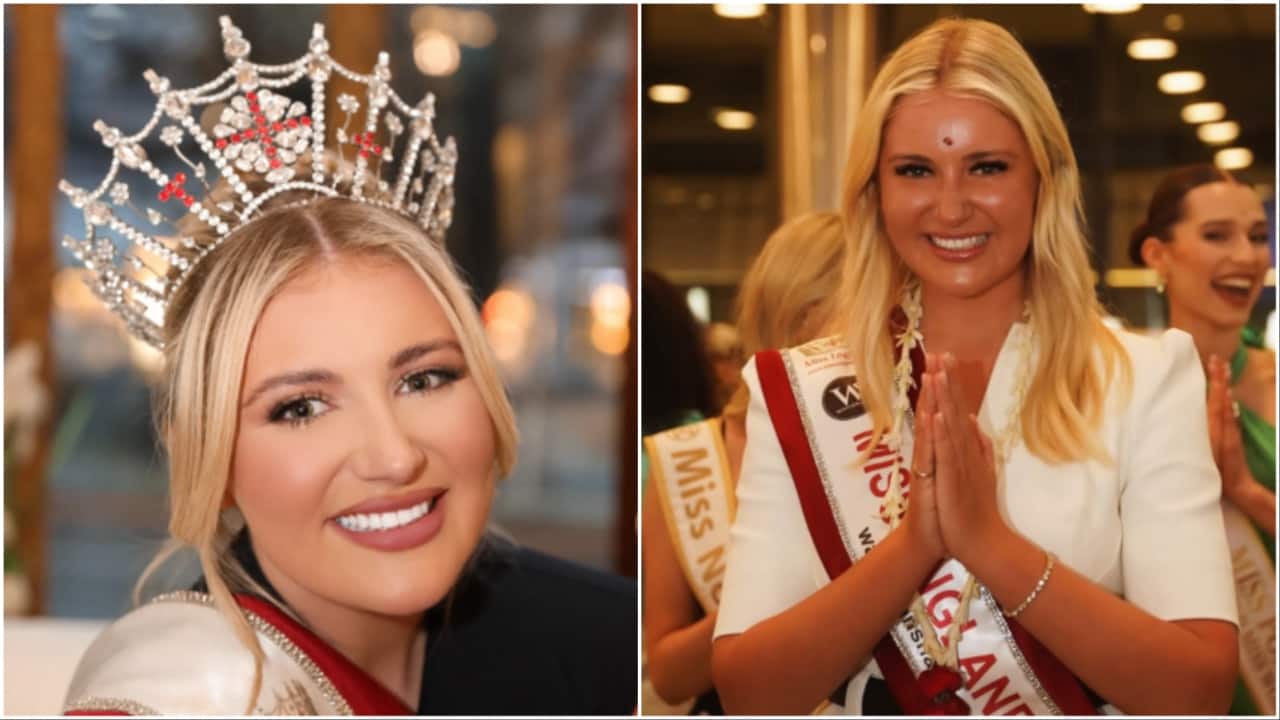
The recent revelation by former Miss England, Milla Magee, regarding her experience at the Miss World pageant in Hyderabad has ignited a global discussion about the inherent objectification and potential exploitation within the beauty pageant industry. Magee's claim that she was “made to feel like a prostitute” and “farmed out for entertainment” strikes at the core of the carefully constructed image of beauty pageants as vehicles for empowerment and philanthropy. Her allegations force a critical examination of the power dynamics at play, the financial incentives driving these events, and the often-unspoken expectations placed upon the contestants. The core of Magee's accusation is that she and other contestants were essentially used as entertainment for middle-aged men who contributed financially to the pageant. She describes being expected to sit at tables with these individuals, engaging in conversation, and providing them with attention as a form of 'thank you' for their financial support. This practice, Magee argues, reduced the contestants to objects of entertainment, stripping them of their agency and dignity. It's a sharp contrast to the purported goals of Miss World, which claims to champion humanitarian causes and empower women to be leaders and role models. The discrepancy between the idealized image of the pageant and the reality Magee describes is deeply unsettling. It raises questions about the extent to which beauty pageants are truly about celebrating inner beauty and intelligence, or whether they are primarily about commodifying women's physical appearance for the gratification of a predominantly male audience. The incident also highlights the vulnerability of young women participating in these events. Many contestants, like Magee, enter pageants with aspirations of using the platform to advocate for important causes, to inspire others, and to make a positive impact on the world. They invest significant time, effort, and resources into preparing for the competition, often with the belief that they are embarking on a journey that will enhance their personal and professional lives. However, the reality, as Magee's experience suggests, can be far different. Contestants may find themselves subjected to intense pressure to conform to unrealistic beauty standards, to navigate complex social dynamics, and to compromise their personal values in order to succeed. The power imbalance between pageant organizers and contestants can create a situation where young women feel compelled to comply with demands that make them uncomfortable or even violate their sense of self-worth. The economic structure of beauty pageants further complicates the issue. These events rely heavily on sponsorship and donations from wealthy individuals and corporations. The pursuit of financial support can incentivize organizers to prioritize the interests of donors over the well-being and dignity of the contestants. Magee's account suggests that this may have been the case at the Miss World event in Hyderabad, where the entertainment of sponsors seemed to take precedence over the contestants' comfort and values. Furthermore, Magee's decision to quit the pageant, becoming the first Miss England to do so in the contest's 74-year history, is a powerful act of defiance. It sends a clear message that women are no longer willing to tolerate exploitation and objectification in the name of beauty or tradition. Her actions have undoubtedly inspired other women to speak out against similar experiences and to demand greater accountability from organizations that claim to empower women. The Miss World organization has yet to issue a comprehensive response to Magee's allegations. A thorough investigation into the matter is crucial to determine the veracity of her claims and to implement measures to prevent similar incidents from occurring in the future. The organization must also address the underlying systemic issues that may contribute to the exploitation of contestants, such as the power imbalance between organizers and participants, the pressure to conform to unrealistic beauty standards, and the reliance on financial support that may compromise the contestants' well-being. In conclusion, Milla Magee's courageous decision to speak out about her experience at the Miss World pageant has exposed the dark underbelly of the beauty pageant industry. Her allegations of exploitation and objectification demand a critical examination of the power dynamics, financial incentives, and cultural norms that perpetuate these practices. The incident serves as a wake-up call for the industry to prioritize the well-being and dignity of contestants over financial gain and outdated traditions. It also underscores the importance of empowering women to speak out against injustice and to demand accountability from those who exploit them.
Beyond the specific allegations leveled against the Miss World organization, Magee's story raises broader questions about the role of beauty pageants in contemporary society. Are these events still relevant in an era of increasing awareness about gender equality and body positivity? Do they truly empower women, or do they simply reinforce outdated and harmful stereotypes? The argument in favor of beauty pageants often centers on the idea that they provide a platform for women to showcase their talents, intelligence, and commitment to social causes. Proponents claim that pageants offer opportunities for personal growth, professional development, and networking. They also point to the charitable work associated with many pageants, arguing that these events contribute to positive social change. However, critics argue that the focus on physical appearance inevitably undermines the supposed emphasis on inner beauty and intelligence. They contend that pageants perpetuate unrealistic beauty standards, contributing to body image issues, eating disorders, and other mental health problems among young women. They also argue that the emphasis on competition can foster a toxic environment of rivalry and insecurity. Furthermore, the historical context of beauty pageants is important to consider. These events have their roots in colonial-era beauty contests that often promoted narrow and discriminatory definitions of beauty. While efforts have been made to diversify the representation of women in pageants, critics argue that the underlying biases and inequalities persist. The standards of beauty promoted by pageants often remain Eurocentric, favoring women with lighter skin, specific facial features, and certain body types. This can perpetuate feelings of inadequacy and exclusion among women who do not fit these narrow ideals. Moreover, the objectification of women in beauty pageants is often justified by the claim that it is empowering for women to be able to control their own image and present themselves in a way that makes them feel confident. However, critics argue that this is a false choice. Women should not have to conform to objectifying standards in order to feel empowered. True empowerment comes from challenging and dismantling the systems that perpetuate objectification in the first place. In recent years, there has been a growing movement to redefine the concept of beauty and to challenge the traditional standards promoted by beauty pageants. Body positivity activists, social media influencers, and other advocates are working to promote a more inclusive and diverse representation of beauty. They are also encouraging women to embrace their natural bodies and to reject the pressure to conform to unrealistic ideals. Some beauty pageants have attempted to adapt to these changing attitudes by incorporating more diverse contestants, emphasizing inner beauty, and promoting social causes. However, critics argue that these changes are often superficial and do not address the underlying issues of objectification and exploitation. Ultimately, the question of whether beauty pageants are still relevant in contemporary society depends on how they evolve and adapt to changing attitudes about gender equality and body positivity. If pageants can truly embrace diversity, promote inner beauty, and empower women to be leaders and advocates for social change, they may have a role to play in the future. However, if they continue to perpetuate outdated stereotypes, objectify women, and prioritize financial gain over the well-being of contestants, they will likely become increasingly irrelevant.
The legal and ethical implications of Milla Magee's allegations also warrant careful consideration. Her claims of exploitation and being 'made to feel like a prostitute' raise serious questions about potential violations of labor laws and human rights standards. While beauty pageant contestants are often considered independent contractors rather than employees, there is a growing debate about whether this classification accurately reflects the reality of their situation. In many cases, contestants are subject to strict control by pageant organizers, required to adhere to specific rules and guidelines, and expected to perform certain tasks. This level of control may blur the line between independent contractor and employee, potentially entitling contestants to certain labor protections. If contestants are indeed deemed to be employees, they may be entitled to minimum wage, overtime pay, and other benefits. They may also be protected from harassment, discrimination, and exploitation. Furthermore, Magee's allegations raise concerns about potential violations of human rights standards. The United Nations Convention on the Elimination of All Forms of Discrimination Against Women (CEDAW) prohibits all forms of discrimination against women, including exploitation and objectification. If Magee's claims are substantiated, the Miss World organization may be in violation of CEDAW. In addition to legal considerations, there are also important ethical implications. The beauty pageant industry has a responsibility to ensure the safety, well-being, and dignity of its contestants. This includes providing a safe and supportive environment, protecting contestants from harassment and exploitation, and ensuring that they are treated with respect. Pageant organizers must also be transparent about the expectations and requirements of the competition, including the potential for interaction with sponsors and donors. Contestants should be fully informed about the nature of these interactions and given the opportunity to decline if they are uncomfortable. Furthermore, the beauty pageant industry should adopt a code of ethics that prohibits objectification, exploitation, and any other practices that may compromise the well-being of contestants. This code of ethics should be enforced through independent oversight and accountability mechanisms. It is also important to consider the role of sponsors and donors in perpetuating potential ethical violations. Sponsors and donors should be held accountable for ensuring that their contributions do not contribute to the exploitation or objectification of contestants. They should also be transparent about their expectations and requirements for contestants. Ultimately, the legal and ethical implications of Milla Magee's allegations highlight the need for greater regulation and oversight of the beauty pageant industry. Independent investigations into allegations of exploitation and objectification are crucial to ensure that contestants are protected and that those responsible are held accountable. The industry must also adopt a code of ethics that prioritizes the safety, well-being, and dignity of contestants. Only through these measures can the beauty pageant industry truly live up to its claim of empowering women.
Looking ahead, the future of beauty pageants remains uncertain. The industry is facing increasing scrutiny and criticism from activists, academics, and the general public. However, pageants also retain a loyal following and continue to attract significant media attention. It is possible that the beauty pageant industry will undergo a significant transformation in the coming years, adapting to changing attitudes about gender equality and body positivity. This transformation could involve a greater emphasis on inner beauty, intelligence, and social activism. Pageants could also become more inclusive and diverse, representing a wider range of women from different backgrounds and cultures. Another possibility is that beauty pageants will become increasingly niche, catering to a specific audience that appreciates traditional values and standards of beauty. In this scenario, pageants may continue to exist, but their influence and relevance in mainstream society will diminish. Ultimately, the future of beauty pageants depends on whether they can adapt to changing social norms and expectations. If they can embrace diversity, promote inner beauty, and empower women to be leaders and advocates for social change, they may have a role to play in the future. However, if they continue to perpetuate outdated stereotypes, objectify women, and prioritize financial gain over the well-being of contestants, they will likely fade into obscurity. In the meantime, it is important to continue to challenge and question the values and assumptions underlying beauty pageants. By fostering critical conversations about gender equality, body positivity, and the objectification of women, we can create a more just and equitable society for all. Milla Magee's courage in speaking out about her experience is a testament to the power of individual action in challenging injustice. Her story serves as a reminder that we all have a responsibility to speak out against exploitation and objectification, and to work towards a world where all women are treated with dignity and respect. The beauty pageant industry, like any other institution, must be held accountable for its actions. By demanding transparency, accountability, and ethical conduct, we can help to ensure that beauty pageants are no longer a source of exploitation and objectification, but rather a platform for empowering women to achieve their full potential. This requires a collective effort from activists, academics, the media, and the general public. We must continue to challenge the status quo, demand change, and support those who speak out against injustice. Only then can we create a future where beauty pageants truly empower women and contribute to a more just and equitable world.
Source: Ex-Miss England says she quit Miss World as she was 'made to feel like a prostitute' in Hyderabad