
 |
|
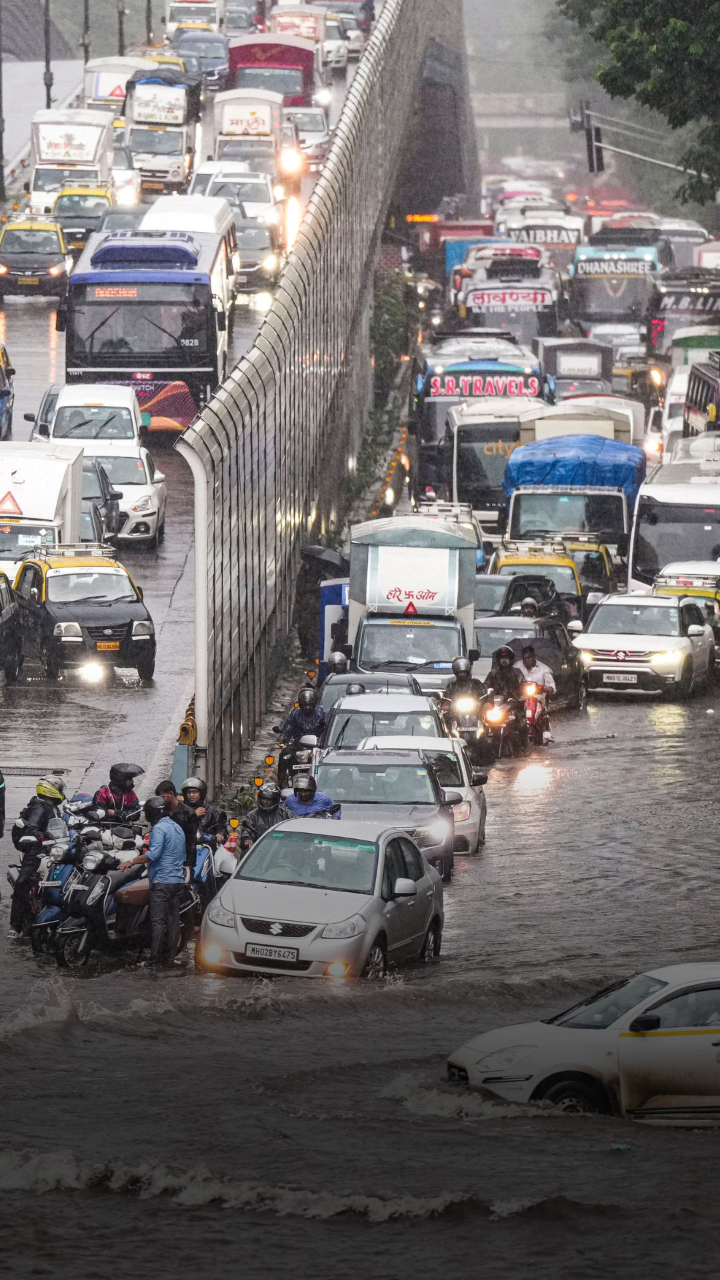
Every monsoon season, news reports and social media feeds are inundated with images and stories of flooded streets, submerged vehicles, and displaced communities in Indian cities. The regularity with which these events occur begs the question: Why do Indian cities still flood every monsoon? This is not a new phenomenon; it is a recurring tragedy stemming from a complex interplay of factors, primarily rooted in inadequate urban planning, crumbling infrastructure, and a lack of effective governance. While the immediate cause of flooding is often attributed to excessive rainfall, the underlying reasons are far more systemic and require a comprehensive and sustained approach to address. The rapid and often unplanned urbanization that has characterized India's growth in recent decades has placed immense strain on existing infrastructure. Many cities have expanded without adequate attention to drainage systems, water management, and land use planning. Natural drainage channels and water bodies, which once served as crucial buffers against flooding, have been encroached upon and built over, reducing their capacity to absorb and channel excess water. The result is that even moderate rainfall can overwhelm the city's ability to cope, leading to widespread flooding. Furthermore, the construction of roads, buildings, and other infrastructure has often been carried out without proper consideration of the impact on natural drainage patterns. Impervious surfaces prevent rainwater from seeping into the ground, increasing surface runoff and exacerbating flooding. The lack of green spaces and vegetation further reduces the city's capacity to absorb water. In many areas, solid waste management is also a major problem, with garbage clogging drains and hindering the flow of water. The improper disposal of plastic and other waste materials contributes to the blockage of drainage systems, making them less effective at handling rainfall. This issue is particularly acute in densely populated areas, where waste generation is high and infrastructure is often inadequate. The maintenance of existing infrastructure is another critical factor. Drainage systems require regular cleaning and upkeep to ensure that they function properly. However, many cities lack the resources or the political will to invest in adequate maintenance. Drains are often clogged with silt, debris, and garbage, reducing their capacity and increasing the risk of flooding. The lack of coordination between different government agencies also contributes to the problem. Urban planning, infrastructure development, and disaster management are often handled by separate departments, with little communication or collaboration. This can lead to conflicting priorities and a lack of a holistic approach to addressing the issue of flooding. Furthermore, corruption and mismanagement can divert resources away from essential infrastructure projects, further compounding the problem. The absence of effective enforcement of building codes and land use regulations is also a major concern. Many buildings are constructed in violation of regulations, often in areas that are vulnerable to flooding. This increases the risk of property damage and loss of life. The lack of accountability for those who violate regulations further encourages illegal construction and exacerbates the problem of flooding. Climate change is also playing an increasingly important role in the frequency and intensity of flooding in Indian cities. As global temperatures rise, rainfall patterns are becoming more erratic, with more frequent and intense storms. This puts additional strain on urban infrastructure and increases the risk of flooding. The impact of climate change is particularly pronounced in coastal cities, which are also vulnerable to rising sea levels and storm surges. Addressing the issue of urban flooding in India requires a multi-pronged approach that encompasses improved urban planning, infrastructure development, disaster management, and governance. A comprehensive urban planning strategy is essential to ensure that cities grow in a sustainable and resilient manner. This includes the protection of natural drainage channels and water bodies, the creation of green spaces, and the implementation of effective land use regulations. Investment in infrastructure is also crucial. This includes the construction of new drainage systems, the rehabilitation of existing infrastructure, and the implementation of water management strategies. Disaster management plans need to be updated and improved to ensure that cities are prepared to respond to flooding events. This includes the development of early warning systems, the provision of emergency shelters, and the training of first responders. Effective governance is also essential. This includes improved coordination between different government agencies, the enforcement of building codes and land use regulations, and the promotion of transparency and accountability. Public awareness campaigns can also play a role in educating citizens about the risks of flooding and the steps they can take to protect themselves. The integration of technology can also enhance the effectiveness of flood management strategies. Geographic Information Systems (GIS) can be used to map flood-prone areas and to identify vulnerable infrastructure. Remote sensing technologies can be used to monitor rainfall and water levels. Real-time data can be used to improve the accuracy of flood forecasts and to provide timely warnings to the public. Citizen participation is also critical. Communities need to be involved in the planning and implementation of flood management strategies. This includes the formation of community-based organizations, the provision of training, and the empowerment of citizens to take action to protect themselves and their property. Addressing the problem of urban flooding in India is a complex and challenging task, but it is essential for the safety and well-being of urban residents. By taking a comprehensive and sustained approach, Indian cities can become more resilient to the impacts of climate change and reduce the risk of flooding.
A critical aspect often overlooked in the context of urban flooding is the socioeconomic dimension. The impacts of flooding are disproportionately felt by vulnerable populations, including low-income communities, informal settlers, and marginalized groups. These communities often reside in areas that are most susceptible to flooding, such as low-lying areas and riverbanks. They also lack the resources to cope with the impacts of flooding, such as the ability to evacuate, to repair damaged homes, or to access medical care. The economic consequences of flooding can be devastating for these communities. Flooding can lead to the loss of homes, businesses, and livelihoods. It can also disrupt access to essential services, such as education and healthcare. The long-term impacts of flooding can include increased poverty, food insecurity, and displacement. Addressing the socioeconomic dimension of urban flooding requires a focus on social justice and equity. This includes the provision of affordable housing in safe locations, the creation of livelihood opportunities for vulnerable populations, and the implementation of social safety nets to protect those who are most at risk. It also includes the promotion of community participation in flood management strategies. The involvement of vulnerable communities in the planning and implementation of flood management strategies can help to ensure that their needs are addressed and that they are empowered to protect themselves. In addition to addressing the immediate impacts of flooding, it is also important to address the underlying causes of vulnerability. This includes addressing issues such as poverty, inequality, and discrimination. By creating more equitable and inclusive societies, we can reduce the vulnerability of communities to the impacts of flooding and other climate-related hazards. Furthermore, the insurance sector plays a vital, yet often underutilized, role in mitigating the financial impacts of urban flooding. Wider adoption of flood insurance, particularly among vulnerable populations, could provide a crucial safety net, enabling individuals and businesses to recover more quickly after a flood event. However, the affordability and accessibility of flood insurance remain significant challenges in many parts of India. Government subsidies and innovative insurance schemes tailored to the needs of low-income communities could help to overcome these barriers. Moreover, incentivizing the adoption of flood-resistant building practices through insurance premiums could encourage more resilient construction and reduce future damage. The integration of technology, such as remote sensing and artificial intelligence, can also enhance the effectiveness of flood insurance schemes. Remote sensing data can be used to assess flood risk and to estimate the extent of damage, while AI can be used to automate claims processing and to detect fraudulent claims. By leveraging technology, the insurance sector can play a more proactive role in managing flood risk and in providing financial security to those who are most vulnerable.
Looking ahead, the future of urban flood management in India will depend on the ability to integrate climate change considerations into all aspects of urban planning and development. This includes conducting climate risk assessments, developing climate adaptation plans, and investing in climate-resilient infrastructure. Climate risk assessments can help to identify the areas that are most vulnerable to the impacts of climate change, such as flooding, sea level rise, and extreme weather events. Climate adaptation plans can outline the steps that need to be taken to reduce the vulnerability of cities to these impacts. Climate-resilient infrastructure is infrastructure that is designed to withstand the impacts of climate change. This includes infrastructure such as drainage systems, water management systems, and transportation systems. In addition to integrating climate change considerations into urban planning and development, it is also important to promote sustainable development practices. This includes reducing greenhouse gas emissions, conserving natural resources, and promoting energy efficiency. By reducing greenhouse gas emissions, we can help to mitigate the impacts of climate change and to reduce the frequency and intensity of extreme weather events. By conserving natural resources, we can protect the ecosystems that provide essential services, such as flood control and water purification. By promoting energy efficiency, we can reduce our reliance on fossil fuels and to promote a more sustainable energy future. The role of international cooperation is also crucial. Sharing best practices, providing technical assistance, and mobilizing financial resources can help Indian cities to build their resilience to flooding and other climate-related hazards. Collaborating with international organizations, research institutions, and other countries can provide access to expertise, technology, and funding that can accelerate progress. Moreover, promoting regional cooperation can help to address transboundary issues, such as river basin management and flood forecasting. The exchange of data and information, the coordination of emergency response efforts, and the joint development of infrastructure projects can enhance the effectiveness of flood management strategies across borders. In conclusion, the persistent flooding in Indian cities every monsoon season is a multifaceted problem that demands a comprehensive and sustained response. Addressing the issue requires a concerted effort from government agencies, private sector actors, civil society organizations, and individual citizens. By prioritizing improved urban planning, investing in resilient infrastructure, promoting sustainable development practices, and fostering international cooperation, Indian cities can build their resilience to flooding and create a safer and more sustainable future for all.
Source: BS EDIT: Why Indian Cities Still Flood Every Monsoon