
 |
|
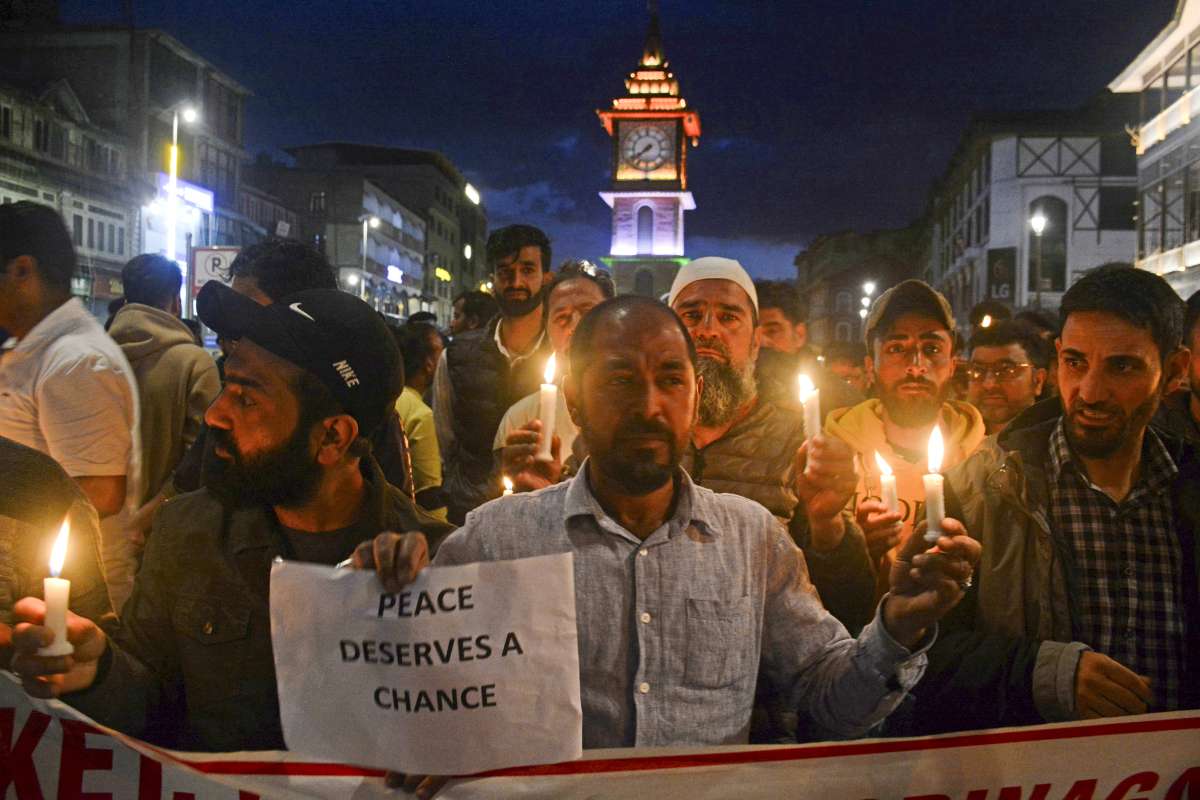
The All India Muslim Personal Law Board (AIMPLB) has taken a significant step in response to the recent tragic terror attack in Pahalgam, a popular tourist destination in Jammu and Kashmir. The Board, a prominent organization representing Muslim interests in India, has condemned the attack in the strongest terms and announced a three-day suspension of its ongoing protest campaign against the Waqf (Amendment) Act, 2025. This decision reflects a gesture of solidarity with the victims' families and a mark of respect for the lives lost in the devastating incident. The attack, which occurred on Tuesday, resulted in the deaths of 26 people, predominantly tourists, and left several others severely injured, casting a shadow of grief and fear over the region. The AIMPLB's decision to pause its protest campaign signifies a temporary cessation of its public demonstrations and activities related to the controversial Waqf law amendments. This pause is intended to allow for mourning and reflection during this difficult time, and it demonstrates the Board's sensitivity to the pain and suffering experienced by the families of the victims. The suspension of the protests will be in effect from April 23 to April 25, during which time all state and district conveners of the Majlis-e-Amal, the wing of the AIMPLB responsible for organizing the protests, have been instructed to halt their planned activities. The Waqf (Amendment) Act, 2025, has been a subject of intense debate and opposition from various Muslim organizations and individuals in India. The AIMPLB, along with other groups, has voiced concerns about the potential implications of the amendments on the administration and management of Waqf properties, which are charitable endowments under Islamic law. These properties are typically dedicated to religious, educational, or social welfare purposes, and their proper management is considered essential for the benefit of the Muslim community. Critics of the Waqf Act amendments argue that the changes could lead to government interference in the affairs of Waqf institutions and potentially undermine the autonomy of Muslim organizations in managing their own affairs. The AIMPLB has been at the forefront of the protest campaign against the Waqf Act amendments, organizing rallies, demonstrations, and public awareness campaigns to express its concerns and demand a reconsideration of the legislation. The Board believes that the amendments could have far-reaching consequences for the Muslim community and its religious and cultural institutions. By temporarily suspending its protest activities, the AIMPLB is signaling its willingness to prioritize the immediate need for mourning and solidarity in the wake of the Pahalgam attack. This decision reflects a sense of responsibility and empathy towards the victims and their families, and it demonstrates the Board's commitment to upholding human values and principles, even amidst political disagreements. The suspension of the Waqf Act protests does not signify an abandonment of the Board's concerns about the amendments. The AIMPLB has made it clear that the campaign will resume after the three-day mourning period ends. This indicates that the Board remains committed to pursuing its objectives through peaceful and democratic means, while also recognizing the importance of showing respect and compassion in times of tragedy.
SQR Ilyas, the national convener of the Majlis-e-Amal for the protection of Waqf under the AIMPLB, has described the Pahalgam terror attack as a deeply tragic and strongly condemnable event. His statement reflects the sentiments of many within the Muslim community who are appalled by the violence and the senseless loss of life. The attack has been widely condemned by leaders and organizations across the political spectrum, who have expressed their condolences to the families of the victims and called for swift action to bring the perpetrators to justice. Ilyas's assertion that the Board has instructed all its state and district-level conveners to immediately halt ongoing protest activities for the next three days underscores the seriousness with which the AIMPLB is treating the situation. The decision to suspend the protests is a clear demonstration of the Board's commitment to prioritizing the well-being and sensitivities of the affected communities during this difficult time. However, Ilyas has also clarified that the campaign will resume after the mourning period ends, signaling that the Board's concerns about the Waqf Act amendments remain unresolved. This suggests that the AIMPLB will continue to advocate for its position on the legislation through peaceful and democratic means, while also remaining mindful of the need to address the immediate needs of the affected communities. The protests held in parts of Jharkhand against the Waqf (Amendment) Act, 2025, highlight the widespread opposition to the legislation among Muslim organizations and individuals across India. The protesters, who marched with placards bearing slogans such as 'Waqf bachao, Samvidhan bachao' (Save Waqf, save Constitution) and 'Kala kanoon wapas lo' (Revoke the draconian law), expressed their deep concern about the potential implications of the amendments on the administration and management of Waqf properties. The rally, which started from a local stadium and concluded at the old collectorate building, demonstrated the strength of feeling on this issue and the determination of Muslim organizations to protect their religious and cultural heritage. The participation of Dumka MP Nalin Soren of the Jharkhand Mukti Morcha (JMM) in the protest further underscores the political dimensions of the issue. Soren's accusation that the central government is targeting the religious and social identity of Muslims reflects the concerns of many within the community who believe that the Waqf Act amendments are part of a broader agenda to marginalize and disempower Muslims in India. Soren's statement that the JMM will continue to fight for the rights of minority communities suggests that the issue of Waqf property rights will remain a contested one in Indian politics. The protests in Jharkhand and the AIMPLB's decision to suspend its protest campaign in response to the Pahalgam attack highlight the complex interplay of political, religious, and social factors that shape the dynamics of Muslim identity and representation in India. The Waqf Act amendments have become a focal point for debates about the rights of religious minorities, the role of government in managing religious institutions, and the balance between religious freedom and national security.
The condemnation of the Pahalgam attack by the AIMPLB and the temporary suspension of the Waqf Act protests represent a nuanced response to a complex situation. On one hand, the Board is expressing its solidarity with the victims of the terror attack and demonstrating its commitment to upholding human values and principles. On the other hand, the Board is also signaling that its concerns about the Waqf Act amendments remain unresolved and that it will continue to advocate for its position on the legislation through peaceful and democratic means. The events in Pahalgam and the protests in Jharkhand underscore the challenges facing Muslim communities in India. The ongoing debate about the Waqf Act amendments reflects a broader struggle for recognition, representation, and the protection of religious and cultural rights. The AIMPLB's actions highlight the importance of dialogue and negotiation in resolving these complex issues. By engaging in peaceful protests and expressing its concerns through democratic channels, the Board is seeking to influence government policy and protect the interests of the Muslim community. The Board's decision to suspend its protests in response to the Pahalgam attack demonstrates its sensitivity to the pain and suffering experienced by the families of the victims. This act of solidarity reflects a sense of responsibility and empathy that transcends political differences. The AIMPLB's actions suggest that it is committed to balancing its advocacy for Muslim rights with its broader commitment to upholding human values and principles. The future of the Waqf Act amendments remains uncertain. It is likely that the debate about the legislation will continue in the coming months and years. The AIMPLB's role in this debate will be crucial. By engaging in constructive dialogue and advocating for its position through peaceful and democratic means, the Board can help to shape the future of Waqf property rights in India. The challenge for the AIMPLB will be to balance its advocacy for Muslim rights with its broader commitment to promoting social harmony and national unity. The Board must be able to articulate its concerns in a way that resonates with the broader public and builds bridges with other communities. The AIMPLB's actions in the wake of the Pahalgam attack demonstrate its capacity for empathy and its commitment to upholding human values. This capacity will be essential as the Board navigates the complex challenges facing Muslim communities in India in the years to come. Ultimately, the future of the Waqf Act amendments and the broader issue of Muslim rights in India will depend on the ability of all stakeholders to engage in constructive dialogue and find common ground. The AIMPLB has a critical role to play in this process. By acting with wisdom, courage, and compassion, the Board can help to build a more just and equitable society for all Indians.
The interplay between the Pahalgam attack, the Waqf Act protests, and the broader sociopolitical context in India reveals a complex web of issues concerning religious identity, minority rights, and national security. The AIMPLB's response – condemning the violence while pausing its protests – attempts to navigate this complexity, demonstrating sensitivity to the immediate tragedy while reaffirming its commitment to addressing long-term concerns regarding the Waqf Act. This approach highlights the balancing act often required of organizations representing minority interests in diverse and politically charged environments. The Waqf Act amendments themselves represent a point of contention, with critics arguing that they infringe upon the autonomy of Muslim institutions and potentially lead to the misappropriation of Waqf properties. Proponents, on the other hand, likely argue that the amendments are necessary to modernize Waqf administration, prevent corruption, and ensure that Waqf properties are used effectively for their intended purposes. This difference in perspective underscores the fundamental tension between government oversight and religious freedom. The protests in Jharkhand, featuring slogans like "Save Waqf, Save Constitution," further illustrate the connection between religious rights and broader constitutional principles. The protesters view the Waqf Act amendments as a threat not only to their religious institutions but also to the fundamental rights guaranteed by the Indian Constitution. This framing suggests that the issue transcends purely religious concerns and taps into broader anxieties about the erosion of civil liberties. The involvement of political figures like Dumka MP Nalin Soren adds another layer of complexity. Soren's accusation that the central government is targeting the religious identity of Muslims underscores the politicization of the issue and highlights the potential for it to be used as a rallying cry for political mobilization. This politicization can further polarize the debate and make it more difficult to find common ground. The AIMPLB's decision to temporarily suspend its protests in response to the Pahalgam attack could be interpreted in several ways. On one hand, it could be seen as a genuine expression of solidarity with the victims and a recognition that the immediate priority should be mourning and healing. On the other hand, it could also be seen as a strategic move to avoid being perceived as insensitive or opportunistic in the wake of a national tragedy. Regardless of the motivation, the decision underscores the importance of public perception and the need for organizations representing minority interests to carefully consider the optics of their actions. Moving forward, it will be crucial for all stakeholders – the government, Muslim organizations, and the broader public – to engage in constructive dialogue about the Waqf Act amendments and other issues affecting religious minorities. This dialogue should be based on mutual respect, a willingness to listen to different perspectives, and a commitment to finding solutions that are both fair and sustainable. The challenge will be to balance the legitimate concerns of the government with the need to protect the religious freedom and autonomy of minority communities. Ultimately, the success of this process will depend on the ability of all stakeholders to build trust and work together in a spirit of cooperation.
Source: Muslim Law Board condemns Pahalgam attack, pauses Waqf Act protests for three days