
 |
|
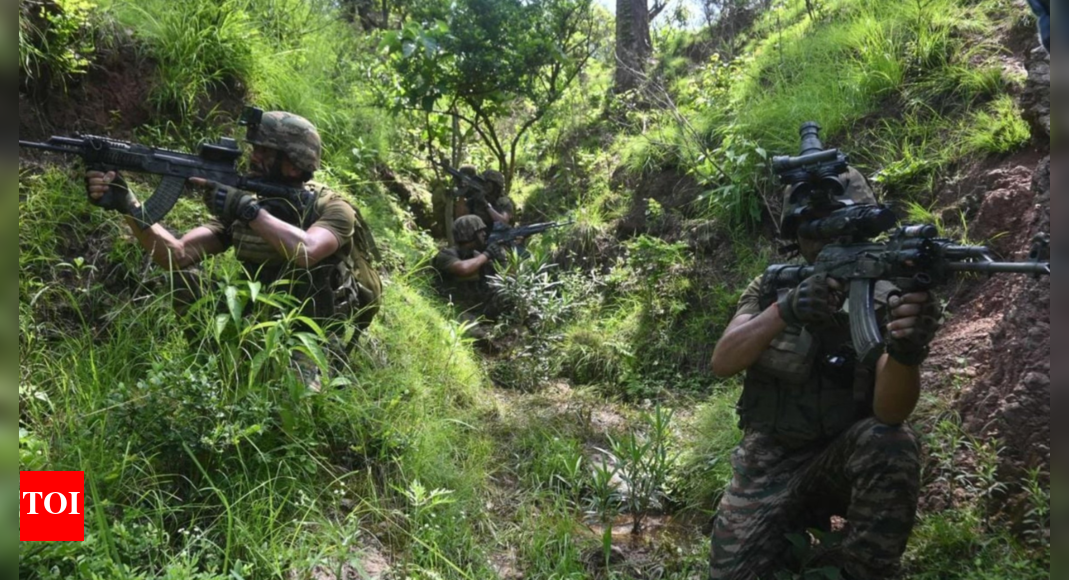
The escalating tensions in the Jammu and Kashmir region continue to demand attention as evidenced by the recent encounter in Udhampur and the ongoing search operations in Poonch. The loss of an Army soldier in the Udhampur district serves as a stark reminder of the sacrifices made by security personnel in maintaining peace and stability in the area. The 'massive encounter' that ensued following a joint operation between the Army and Jammu and Kashmir police highlights the persistent threat posed by militant groups. The operation, initiated based on specific intelligence, underscores the importance of proactive measures in thwarting potential attacks. The phrase 'fierce firefight ensued' paints a vivid picture of the intensity of the confrontation and the dangers faced by the security forces. This incident occurs against a backdrop of heightened security concerns following the terror attack in Pahalgam, which resulted in numerous casualties. The timing of the Udhampur encounter underscores the vulnerability of the region and the need for constant vigilance. The ongoing joint operation by the Romeo Force of the Indian Army and the Special Operations Group (SOG) in the forested areas of Lasana in Poonch district further illustrates the sustained efforts to neutralize terrorist threats. The fact that this operation has been underway for ten consecutive days indicates the complexity and scope of the search. The cordoning off of the area and the extensive searches through the dense forests demonstrate the meticulous approach being taken to locate and apprehend the militants. The injury sustained by a security personnel during the exchange of fire near Lasana village highlights the risks involved in these operations. The location of Lasana village along the National Highway between Poonch and Jammu adds to the strategic importance of the area and the potential for disruption to transportation. The increased vigilance along the Jammu-Rajouri-Poonch highway, with traffic police conducting checks on local vehicles, is a necessary measure to prevent the movement of militants and the transportation of weapons and explosives. The confirmation by Officer Ahmed Din that no loaded trucks are being allowed to pass to prevent congestion reflects the authorities' commitment to maintaining order and security. The presence of 24/7 checkpoints manned by traffic police, district police, and the Army demonstrates the coordinated efforts of various security agencies to ensure the safety of the region. The overall situation in Jammu and Kashmir remains precarious, requiring a multi-faceted approach that includes intelligence gathering, proactive operations, and community engagement. The security forces must continue to work diligently to protect the lives and property of the citizens and to maintain peace and stability in the region. The challenges are significant, but the commitment of the security forces to safeguarding the region remains unwavering.
The strategic importance of the Jammu and Kashmir region cannot be overstated. Bordering both Pakistan and China, the region has been a focal point of geopolitical tensions for decades. The ongoing conflict stems from historical disputes, religious differences, and competing territorial claims. The presence of various militant groups operating in the region further complicates the security landscape. These groups often receive support from external actors, exacerbating the instability. The porous border with Pakistan allows for the infiltration of militants and the smuggling of weapons. The challenging terrain, characterized by mountainous regions and dense forests, provides sanctuary for these groups. The local population is often caught in the crossfire, facing displacement, violence, and economic hardship. The government has implemented various measures to address the security challenges, including increased military presence, counter-terrorism operations, and development initiatives. However, these efforts have faced numerous obstacles, including corruption, lack of coordination, and public distrust. The human rights situation in the region remains a concern, with allegations of excessive force by security forces and restrictions on civil liberties. The international community has called for a peaceful resolution to the conflict and for the protection of human rights. However, progress has been slow, and the situation remains volatile. The future of Jammu and Kashmir hinges on a comprehensive approach that addresses the root causes of the conflict, promotes inclusive governance, and ensures the protection of human rights. This requires a concerted effort by the government, the security forces, the local population, and the international community.
The role of technology in modern warfare and counter-terrorism operations is becoming increasingly significant. The use of drones for surveillance and reconnaissance allows security forces to gather intelligence and monitor enemy movements without risking human lives. Advanced communication systems enable real-time coordination between different units and agencies. Cyber warfare is also playing a growing role, with both sides engaging in efforts to disrupt each other's communications and infrastructure. Artificial intelligence (AI) is being used to analyze vast amounts of data and identify potential threats. However, the use of technology also raises ethical concerns, particularly regarding privacy and the potential for autonomous weapons systems. The legal framework governing the use of technology in warfare needs to be updated to address these new challenges. The proliferation of technology also makes it easier for militant groups to acquire advanced weaponry and communication equipment. This requires security forces to constantly adapt and develop new countermeasures. The ongoing conflict in Jammu and Kashmir provides a testing ground for new technologies and tactics. The lessons learned in this region can be applied to other conflict zones around the world. However, it is important to remember that technology is only one tool in the fight against terrorism. A comprehensive approach must also address the underlying political, economic, and social factors that contribute to radicalization and violence.
Effective border management is crucial for preventing the infiltration of militants and the smuggling of weapons. This requires a combination of physical barriers, electronic surveillance, and human patrols. The border with Pakistan is particularly challenging due to its length and the difficult terrain. The construction of fences and walls can help to deter illegal crossings, but these barriers are not foolproof. Electronic surveillance systems, such as cameras and sensors, can provide early warning of potential threats. However, these systems require constant maintenance and monitoring. Human patrols are essential for detecting and responding to illegal activity. These patrols must be well-trained and equipped to deal with a variety of threats. Cooperation between different security agencies is also essential for effective border management. This includes sharing intelligence and coordinating operations. The use of technology can enhance border security, but it is not a substitute for human vigilance. The local population also plays a crucial role in border security by providing information about suspicious activity. Building trust and cooperation between the security forces and the local population is essential for success. The ongoing conflict in Jammu and Kashmir highlights the importance of effective border management. Strengthening border security can help to reduce the flow of militants and weapons into the region and to protect the local population.
The impact of conflict on the local population in Jammu and Kashmir is significant. Many people have been displaced from their homes due to the violence. They often lack access to basic necessities such as food, water, and shelter. The conflict has also disrupted education and healthcare services. Children are particularly vulnerable, as they may be exposed to violence and trauma. The mental health of the population is also affected, with many people suffering from anxiety, depression, and post-traumatic stress disorder. The government has implemented various programs to provide assistance to the affected population. These programs include providing food aid, shelter, and medical care. However, the needs are often greater than the resources available. Non-governmental organizations (NGOs) also play a crucial role in providing assistance. They often work in partnership with the government and international agencies. The recovery process is slow and challenging. It requires a long-term commitment to addressing the underlying causes of the conflict and to building a more peaceful and just society. Education and economic development are essential for creating opportunities for young people and preventing them from being recruited by militant groups. Reconciliation between different communities is also crucial for healing the wounds of the past. The people of Jammu and Kashmir deserve a future free from violence and fear. They need the support of the government, the international community, and each other to build a better tomorrow.
Source: Encounter under way in J&K's Udhampur, one soldier killed