
 |
|
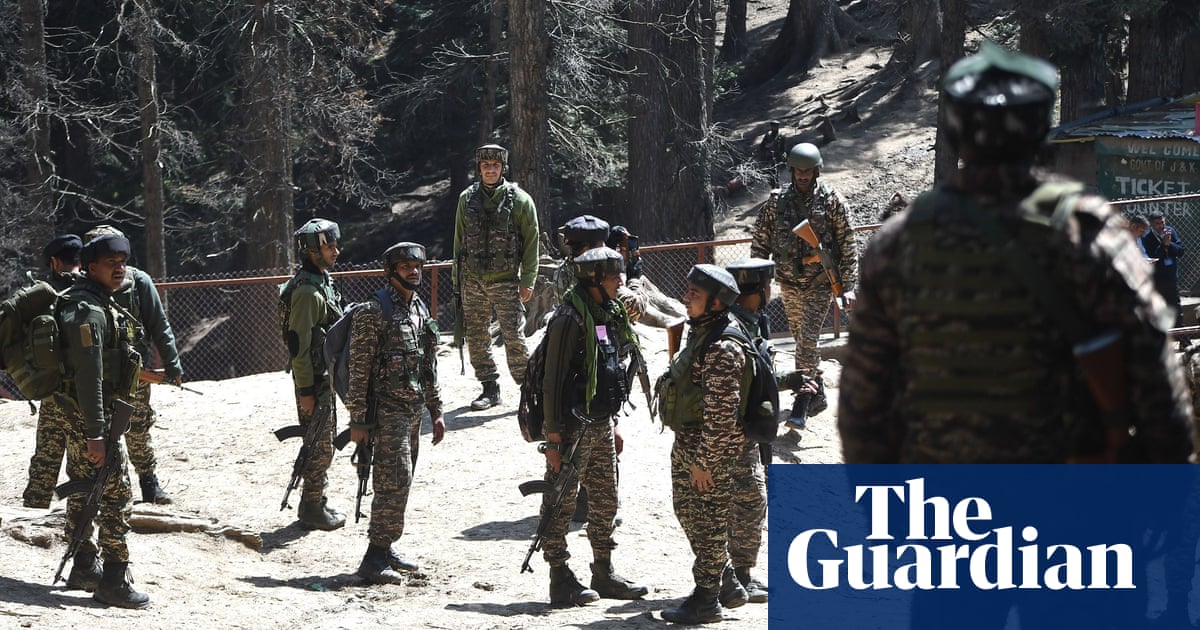
The recent militant attack in Kashmir, resulting in the tragic deaths of 26 tourists (25 Indian and one Nepalese national), has sent shockwaves throughout India and the international community. The incident, which occurred in the Pahalgam area of the Himalayan region, represents a significant escalation in the ongoing regional conflict and poses a serious challenge to the Indian government's efforts to establish peace and stability in the long-troubled Muslim-majority territory. The immediate aftermath of the attack saw Indian security forces launching a massive manhunt for the perpetrators, with tens of thousands of armed police and soldiers deployed across the region. Checkpoints were established, vehicles were searched, and many businesses remained closed following a call for protest by religious and political figures. The Indian army issued a statement vowing to bring the attackers to justice, but the incident has already had a profound impact on the region's tourism industry, with a mass exodus of tourists fleeing Kashmir in fear of further attacks. The attack is particularly significant as it targets civilians, specifically tourists, who have largely been spared in previous conflicts. This deliberate targeting of tourists not only highlights the brutality of the militant group responsible but also aims to destabilize the region and undermine the Indian government's efforts to promote tourism and economic development. The attack occurred during a sensitive time, coinciding with a visit to India by US Vice President JD Vance, further amplifying the international attention on the incident. Global leaders, including those from the United States, Russia, and Italy, have condemned the attack and expressed solidarity with India in its fight against terrorism. The United Nations Secretary-General António Guterres has also condemned the attack, emphasizing that attacks against civilians are unacceptable under any circumstances. The timing of the attack is particularly concerning, occurring after the Indian government revoked the semi-autonomous status of Jammu and Kashmir in 2019. This decision, hailed by the ruling Hindu nationalist Bharatiya Janata Party (BJP) as a major achievement in bringing peace and development to the region, has been met with resistance from some segments of the Kashmiri population, who view it as an infringement on their rights and autonomy. The attack has been claimed by a little-known militant group called the “Kashmir Resistance,” which expressed discontent over the settlement of “outsiders” in the region, alleging a “demographic change.” The group's statement highlights the underlying tensions and grievances that fuel the conflict in Kashmir, including concerns about the changing demographics and the impact of Indian government policies on the local population. The attack has also sparked a debate about the effectiveness of the Indian government's security measures in Kashmir and the need for a comprehensive strategy to address the root causes of the conflict. While the Indian government has vowed to bring the perpetrators to justice and maintain peace and stability in the region, the attack serves as a stark reminder of the challenges it faces in achieving these goals. The long-term impact of the attack on the region's tourism industry and overall stability remains to be seen. The exodus of tourists from Kashmir is likely to have a significant economic impact, as tourism is a major source of revenue for the region. The attack could also discourage future tourists from visiting Kashmir, further hindering the region's economic development. In addition to the immediate economic consequences, the attack could also exacerbate the existing tensions between the Kashmiri population and the Indian government. The attack could fuel resentment and distrust, making it more difficult to achieve a lasting peace in the region. The Indian government needs to address the underlying grievances of the Kashmiri population and engage in a meaningful dialogue with all stakeholders to find a peaceful and sustainable solution to the conflict. This includes addressing concerns about human rights, political representation, and economic development. The international community also has a role to play in promoting peace and stability in Kashmir. The international community should urge the Indian government to respect human rights, engage in dialogue with the Kashmiri people, and find a peaceful and sustainable solution to the conflict. The attack in Kashmir is a tragedy that underscores the urgent need for a comprehensive approach to address the root causes of the conflict and promote peace and stability in the region.
The incident has not only triggered immediate security responses but also raised profound questions about the long-term stability of the region and the effectiveness of the current strategies employed to manage the complex political and social dynamics. The revocation of Article 370, which granted Jammu and Kashmir special autonomous status, was intended to integrate the region more fully into India and foster development. However, it has also been a point of contention, with many Kashmiris feeling that their rights and identity have been undermined. The rise of militant groups like the “Kashmir Resistance” suggests that the underlying grievances and sense of alienation persist, despite the government's efforts to promote normalcy. The group's claim that the targeted tourists were affiliated with Indian security agencies, while unverified, highlights the deep-seated distrust and suspicion that permeate the region. The security measures implemented following the attack, including increased checkpoints and search operations, are likely to further alienate the local population and exacerbate existing tensions. The government needs to strike a delicate balance between ensuring security and respecting the rights and freedoms of the Kashmiri people. A heavy-handed approach could backfire and fuel further resentment, while a more conciliatory approach could help to build trust and promote dialogue. The attack also underscores the importance of addressing the economic grievances of the Kashmiri population. The region has suffered from decades of conflict and underdevelopment, and many Kashmiris feel that they have been left behind. The government needs to invest in education, infrastructure, and job creation to provide opportunities for young Kashmiris and address their economic anxieties. The tourism sector, which has been a major source of income for the region, has been severely affected by the recent attack. The government needs to take steps to revive the tourism industry and ensure the safety of tourists visiting Kashmir. This could include providing enhanced security measures, promoting positive narratives about the region, and engaging with local communities to build trust and understanding. The international community can also play a role in supporting the economic development of Kashmir. International organizations and donor countries can provide financial and technical assistance to help the region rebuild its infrastructure, develop its economy, and improve the lives of its people. The attack in Kashmir is a stark reminder of the challenges facing the region and the need for a comprehensive and sustainable approach to address the underlying causes of the conflict. The government needs to engage in meaningful dialogue with all stakeholders, address the economic and social grievances of the Kashmiri population, and ensure the safety and security of all residents. The international community can also play a role in supporting peace and development in Kashmir by providing financial and technical assistance and promoting dialogue and understanding.
Source: Indian security forces hunt militants after 26 tourists killed in Kashmir attack