
 |
|
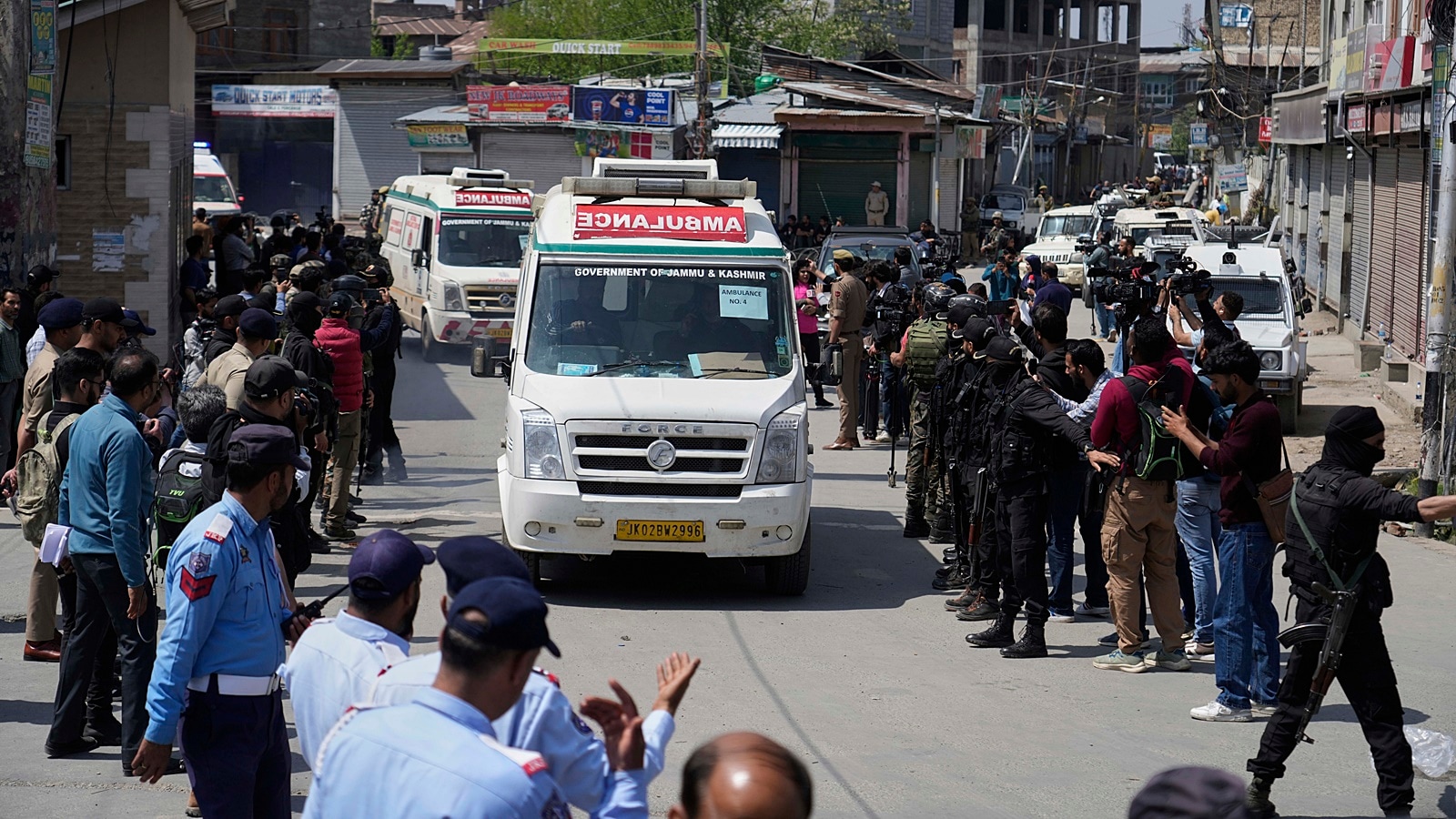
The brutal murder of Sushil Nathaniel in the Baisaran Valley, Kashmir, serves as a stark reminder of the persistent threat of terrorism and the devastating impact it has on innocent lives. The idyllic vacation planned by the Nathaniel family to celebrate Jennifer's birthday was tragically transformed into a scene of unimaginable horror, leaving a family shattered and a community in mourning. Sushil Nathaniel, a 58-year-old LIC branch manager, embodied the values of dedication, responsibility, and familial love. His life, centered around his wife, children, and extended family, was brutally cut short in an act of senseless violence. The attack, which also left his daughter Akanksha injured, underscores the vulnerability of ordinary citizens caught in the crosshairs of extremist ideologies. The details of the incident, as recounted by Jennifer and Vikas, paint a harrowing picture of the events that unfolded. The family's momentary separation, the confrontation with the terrorists, and Sushil's courageous act of urging his wife to hide all highlight the chaotic and terrifying nature of the situation. Sushil's unwavering faith, tragically, became the reason for his execution. His inability to recite the Kalma, a central tenet of Islam, led to his summary execution, a chilling example of religious persecution. The incident raises serious questions about the security situation in Kashmir and the measures in place to protect tourists and residents alike. The fact that such an attack could occur in a popular tourist destination raises concerns about the effectiveness of security protocols and the need for enhanced vigilance. The aftermath of the tragedy has been marked by grief, anger, and a desperate search for justice. Akanksha's refusal to undergo surgery until she could see her father's body underscores the depth of her grief and her unwavering devotion to her father. The family's plea for support and assistance highlights the practical challenges they face in the wake of this devastating loss. The call for Austin to be given a job at LIC in his father's place reflects the family's need for financial stability and the desire to honor Sushil's memory by providing for his family's future. Susan Nathaniel's poignant observation about the need for proactive measures to prevent future attacks underscores the urgent need for a comprehensive strategy to combat terrorism. Her emphasis on the fundamental right to life, regardless of religion, serves as a powerful condemnation of the extremist ideologies that fuel such violence. The tragic events in Baisaran Valley should serve as a catalyst for renewed efforts to address the root causes of terrorism, strengthen security measures, and promote tolerance and understanding. It is imperative that the government and civil society work together to create a safe and inclusive environment where all citizens can live without fear of violence and persecution. The story of the Nathaniel family is a testament to the resilience of the human spirit in the face of unimaginable adversity. Their unwavering faith, their commitment to family, and their determination to seek justice and healing offer a glimmer of hope in the midst of darkness. As the family mourns the loss of Sushil, it is incumbent upon us to remember his life, honor his memory, and work towards a future where such tragedies are relegated to the history books. The incident also throws light on the broader issue of religious freedom and the dangers of religious intolerance. Sushil's murder highlights the extreme consequences of religious extremism and the importance of protecting the rights of individuals to practice their faith without fear of persecution. It is crucial that governments and communities around the world work together to promote religious tolerance and combat all forms of religious discrimination. Furthermore, the attack underscores the need for greater international cooperation in the fight against terrorism. Terrorist groups often operate across borders, and effective counter-terrorism strategies require a coordinated global response. This includes sharing intelligence, disrupting terrorist financing networks, and countering extremist propaganda. The tragedy in Kashmir also serves as a reminder of the importance of supporting victims of terrorism. Victims and their families often face significant challenges, including physical injuries, emotional trauma, and financial hardship. It is essential that they receive the support they need to rebuild their lives and cope with the aftermath of violence. This support can include medical care, counseling, financial assistance, and legal aid. In addition to providing direct support to victims, it is also important to address the underlying causes of terrorism. This includes tackling poverty, inequality, and social exclusion, as well as promoting education, democracy, and the rule of law. By addressing these root causes, we can help to prevent future acts of terrorism and create a more peaceful and just world. The story of Sushil Nathaniel and his family is a tragedy that should never be forgotten. It is a reminder of the human cost of terrorism and the importance of working together to create a world where all people can live in peace and security.
The reactions to the attack have been varied and complex, reflecting the deep-seated divisions and sensitivities surrounding the Kashmir conflict. While some have expressed outrage and condemnation of the violence, others have attempted to justify or downplay the incident. These divergent perspectives underscore the challenges of achieving lasting peace and reconciliation in the region. The incident has also sparked renewed debate about the role of religion in the conflict. Some have argued that the attack was motivated by religious hatred and that it is a symptom of a wider problem of religious extremism. Others have cautioned against generalizing and stereotyping entire communities based on the actions of a few. It is important to recognize that the vast majority of people, regardless of their religious beliefs, are opposed to violence and extremism. The key is to promote dialogue and understanding between different religious groups and to work together to address the root causes of conflict. The media coverage of the attack has also been a subject of scrutiny. Some have criticized the media for sensationalizing the incident and for promoting a biased narrative. Others have defended the media's right to report on the news, even if it is uncomfortable or controversial. It is important for the media to be accurate, fair, and responsible in its reporting on terrorism and conflict. This includes providing context, avoiding stereotypes, and giving voice to the victims of violence. The attack on the Nathaniel family is a tragic reminder of the human cost of conflict. It is a call to action for all those who believe in peace and justice to work together to create a more peaceful and just world. This includes addressing the root causes of conflict, promoting dialogue and understanding, and supporting the victims of violence. It also includes holding perpetrators of terrorism accountable for their actions and working to prevent future acts of violence. The tragedy in Kashmir is a reminder that the fight against terrorism is far from over. It is a long and difficult struggle that requires the collective efforts of governments, civil society, and individuals. But by working together, we can create a world where all people can live in peace and security. The government's response to the attack has been swift and decisive. Security forces have launched a massive search operation to apprehend the perpetrators, and the government has vowed to bring them to justice. The government has also announced a compensation package for the victims' families and has promised to provide them with all the necessary support. While these measures are welcome, they are not enough. The government must also address the underlying causes of the conflict and work to create a more peaceful and just society. This includes promoting dialogue and reconciliation, addressing grievances, and ensuring that all citizens have equal opportunities. The international community also has a role to play in resolving the Kashmir conflict. It can provide support for peace negotiations, promote dialogue and understanding, and help to address the root causes of conflict. It can also hold perpetrators of terrorism accountable for their actions and work to prevent future acts of violence. The tragedy in Kashmir is a reminder that the fight against terrorism is a global challenge. It requires the collective efforts of all those who believe in peace and justice to work together to create a world where all people can live in peace and security.
Ultimately, the enduring legacy of Sushil Nathaniel should be his unwavering commitment to his family, his dedication to his work, and his unwavering faith. His life, though tragically cut short, serves as an inspiration to all who knew him and a reminder of the importance of living a life of purpose and meaning. The family's response to the tragedy, marked by resilience, faith, and a determination to seek justice, offers a powerful testament to the strength of the human spirit. Their story should serve as a reminder that even in the face of unimaginable adversity, hope can endure and healing is possible. As the community rallies around the Nathaniel family, offering support and solidarity, it is imperative that we learn from this tragedy and work towards a future where such acts of violence are relegated to the history books. This requires a collective commitment to promoting peace, tolerance, and understanding, and to addressing the root causes of conflict and extremism. The attack on the Nathaniel family is a stark reminder of the fragility of peace and the ever-present threat of violence. It is a call to action for all those who believe in a better world to work together to create a more just, equitable, and peaceful society. The memories of Sushil and those affected by the attack must serve to continuously push for an end to violence. His legacy should be one of striving for peace in a world tainted by hate. The incident in Kashmir serves as a microcosm of the larger global challenges we face. It highlights the interconnectedness of our world and the need for collective action to address issues such as terrorism, religious extremism, and conflict. By learning from this tragedy and working together, we can create a future where all people can live in peace and security. Furthermore, the government must act now to assist Sushil's family with the resources they need in his absence. Ensuring Austin gets the job Sushil worked so hard for will show a commitment from the government to helping those impacted by terror. Sushil's family's future is now at risk, and the government must do all they can to ensure the future Sushil was building comes to fruition. His death should not be in vain, and his family needs the support they were promised in order to survive. The events in Kashmir underscore the urgent need for a comprehensive and multi-faceted approach to addressing the challenges of terrorism and conflict. This includes strengthening security measures, promoting dialogue and reconciliation, addressing the root causes of conflict, and supporting the victims of violence. It also requires a commitment to upholding human rights, promoting the rule of law, and ensuring that all citizens have equal opportunities. Ultimately, the fight against terrorism is a fight for our shared humanity. It is a fight for a world where all people can live in peace and security, free from the fear of violence and persecution. By working together, we can create such a world and honor the memory of those who have lost their lives to terrorism. The tragic story of Sushil Nathaniel and his family in Kashmir serves as a potent reminder of the imperative to build a world where peace, tolerance, and understanding prevail over hatred and violence.
Source: ‘Papa has been shot’: Indore family’s picture-perfect Kashmir getaway turns into nightmare