
 |
|
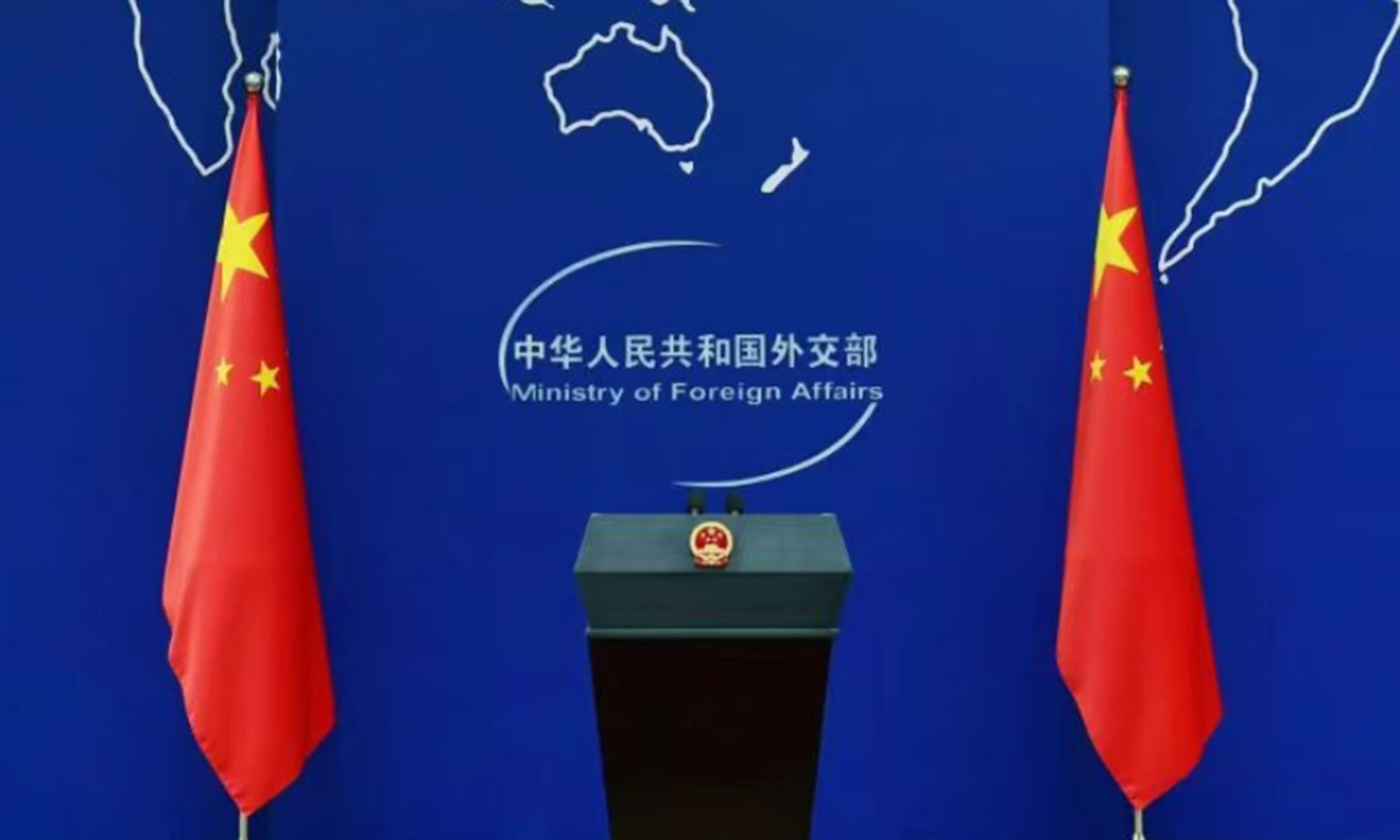
The article from the Global Times presents China's response to recent remarks made by the US President and Treasury Secretary regarding tariffs and trade relations. The core message conveyed by Chinese Foreign Ministry spokesperson Guo Jiakun is one of firmness and a call for genuine commitment to negotiations based on equality and mutual respect. The article frames the US position as contradictory, highlighting the dissonance between expressing a desire for a trade deal while simultaneously maintaining maximum pressure through tariffs and other coercive measures. This perceived inconsistency is viewed by China as an unproductive approach that undermines the potential for meaningful progress. Guo's statement reinforces China's long-standing position on trade wars, asserting that they are detrimental to all parties involved and that protectionist policies ultimately lead to self-isolation. The article also emphasizes China's willingness to engage in negotiations but underscores its resolve to defend its interests if necessary. This dual message of openness to dialogue and preparedness for conflict reflects a strategic balancing act, signaling China's desire for a peaceful resolution while simultaneously deterring further escalation of trade tensions. The article serves as a direct communication from the Chinese government, intended to clarify its position and to influence the narrative surrounding the trade dispute with the United States. It aims to project an image of strength, reasonableness, and commitment to principles of fairness and reciprocity in international trade relations. The reference to attempted decoupling and severed supply chains highlights China's concern about the broader implications of the trade war, particularly the potential for disruptions to global economic integration. Guo's statement suggests that China views these efforts as ultimately self-defeating for the United States as well, implying that a more cooperative approach would be mutually beneficial. The article can be viewed as part of an ongoing effort by China to shape international opinion and to counter what it perceives as unfair or inaccurate portrayals of its policies and intentions. The use of the Global Times, a state-affiliated media outlet, as the platform for this message underscores the importance that the Chinese government attaches to controlling the narrative and communicating its perspective directly to both domestic and international audiences. The article avoids inflammatory language and instead adopts a measured tone, emphasizing the importance of rational dialogue and mutual understanding. This approach is consistent with China's broader diplomatic strategy of projecting an image of stability and responsibility on the global stage. The article provides valuable insight into the Chinese government's thinking on trade relations with the United States and offers a glimpse into the complexities and challenges of navigating the ongoing trade dispute.
The nuances within this seemingly straightforward news report reveal deeper strategic considerations. The implicit criticism of the United States' 'maximum pressure' approach suggests that China views such tactics as counterproductive and even disrespectful. By explicitly stating that this approach 'will not work,' China is essentially attempting to discourage the US from continuing down this path and to encourage a shift towards a more constructive engagement strategy. The insistence on 'equality, mutual respect, and reciprocity' as the basis for negotiations highlights China's desire for a trade relationship that is perceived as fair and balanced. This emphasis on principle is not merely a matter of rhetoric; it reflects a fundamental belief that international relations should be governed by rules and norms that ensure the equitable treatment of all parties. The repeated affirmation that China does not want a trade war but is not afraid of one is a carefully calibrated message designed to project both resolve and a willingness to compromise. This duality is intended to deter escalation while simultaneously keeping the door open for negotiations. The reference to 'fighting to the end' should not be interpreted as a literal threat of military conflict but rather as a metaphorical expression of China's determination to defend its economic interests. The suggestion that US Treasury Secretary Scott Bessent’s remarks about potentially reaching a comprehensive agreement within two to three years is being used strategically by China. By acknowledging these remarks, China subtly reinforces the idea that a resolution is possible and that the US is also interested in finding a mutually acceptable outcome. The article can also be seen as a subtle attempt to appeal to those within the US who may be skeptical of the Trump administration's trade policies. By emphasizing the negative consequences of protectionism and the benefits of cooperation, China is attempting to build support for a more moderate approach to trade relations. The article's overall tone is one of cautious optimism, suggesting that while challenges remain, a resolution is still within reach if both sides are willing to engage in good faith negotiations. The careful wording and strategic messaging employed in this article underscore the importance of understanding the subtle dynamics at play in the complex relationship between China and the United States. It is not simply a news report; it is a carefully crafted statement intended to shape perceptions and influence policy decisions.
Examining this situation through the lens of game theory further illuminates the strategic complexities at play. The trade dispute between the US and China can be viewed as a non-cooperative game, where each country acts in its own self-interest, potentially leading to a suboptimal outcome for both. The 'maximum pressure' strategy employed by the US can be interpreted as an attempt to shift the balance of power in its favor, forcing China to concede to its demands. However, this strategy carries the risk of triggering a retaliatory response from China, escalating the trade war and harming both economies. China's response, as articulated in this article, can be seen as a counter-strategy aimed at deterring further escalation and signaling its willingness to negotiate. The emphasis on 'equality, mutual respect, and reciprocity' can be interpreted as an attempt to establish a set of rules that would ensure a fairer outcome for both parties. The dual message of 'not wanting a trade war but not being afraid of one' can be viewed as a form of credible commitment, signaling China's willingness to endure short-term pain in order to achieve a long-term objective. The possibility of a comprehensive agreement within two to three years, as suggested by US Treasury Secretary Scott Bessent, represents a potential cooperative outcome, where both countries would benefit from reduced trade barriers and increased economic cooperation. However, achieving this outcome requires a willingness to compromise and a shift away from the current adversarial approach. The success of any negotiation depends on the credibility of the commitments made by each side. If either country doubts the other's willingness to follow through on its promises, the negotiation is likely to fail. The article's emphasis on 'good faith negotiations' underscores the importance of trust and transparency in building a successful trade relationship. The long-term implications of the trade dispute extend beyond the economic realm, potentially affecting the geopolitical balance of power. A prolonged trade war could undermine the existing international order and lead to a more fragmented global economy. Therefore, finding a resolution that addresses the concerns of both the US and China is crucial for maintaining stability and prosperity in the 21st century. The ongoing trade dispute highlights the challenges of managing complex international relationships in an increasingly interconnected world. It requires a combination of strategic thinking, diplomatic skill, and a willingness to compromise in order to achieve mutually beneficial outcomes.
The role of domestic politics within both the United States and China significantly influences the trade negotiations. In the US, the Trump administration's 'America First' policy has fueled protectionist sentiments and a desire to reduce the trade deficit with China. This domestic pressure has driven the US to adopt a more assertive stance in trade negotiations, demanding concessions from China. Similarly, in China, the government faces domestic pressure to protect its economic interests and maintain social stability. The Chinese leadership must balance the need to appease nationalist sentiments with the desire to avoid a prolonged trade war that could harm the country's economy. The interplay of these domestic political factors makes the trade negotiations even more complex and challenging. Both sides must be mindful of the potential domestic repercussions of any agreement, ensuring that it is seen as fair and beneficial by their respective constituencies. The media plays a crucial role in shaping public opinion and influencing the political discourse surrounding the trade negotiations. State-controlled media in China often portray the US as an aggressive and unreasonable actor, while Western media outlets tend to focus on China's unfair trade practices and human rights abuses. This biased media coverage can further exacerbate tensions and make it more difficult to reach a mutually acceptable agreement. The influence of special interest groups, such as industries that benefit from protectionist policies, also plays a significant role in shaping the trade negotiations. These groups lobby governments to adopt policies that favor their interests, potentially hindering efforts to reach a comprehensive trade agreement. The role of international organizations, such as the World Trade Organization (WTO), in resolving the trade dispute is also limited. The WTO's dispute resolution mechanism is often slow and ineffective, making it difficult to enforce trade rules and resolve disputes in a timely manner. Furthermore, the US has increasingly circumvented the WTO by imposing tariffs under Section 232 of the Trade Expansion Act of 1962, which allows the President to impose tariffs on imports that threaten national security. This unilateral action has further undermined the WTO's authority and made it more difficult to resolve the trade dispute through multilateral channels. The future of the trade relationship between the US and China remains uncertain, but it is clear that a resolution will require a willingness to compromise, a focus on mutual benefits, and a commitment to fair and transparent trade practices.
Beyond the immediate economic implications, the trade war also has significant geopolitical ramifications. The escalating tensions between the US and China contribute to a broader trend of increasing geopolitical competition, challenging the existing international order. The trade war exacerbates existing strategic rivalries, particularly in areas such as technology, cybersecurity, and military power. The US views China's rapid economic growth and technological advancements as a threat to its global dominance, while China perceives the US as attempting to contain its rise and prevent it from achieving its rightful place on the world stage. The trade war has also led to a realignment of alliances, with some countries hedging their bets and attempting to maintain good relations with both the US and China. Other countries have been caught in the crossfire, facing pressure from both sides to choose between aligning with the US or China. The long-term consequences of this geopolitical competition are difficult to predict, but it could lead to a more fragmented and unstable world order. The trade war has also highlighted the vulnerabilities of global supply chains, exposing the dependence of many countries on China for essential goods and components. This has prompted some companies to diversify their supply chains and reduce their reliance on China, potentially leading to a decoupling of the global economy. The geopolitical implications of the trade war extend beyond the economic realm, potentially affecting security, diplomacy, and international cooperation on issues such as climate change, terrorism, and global health. A cooperative relationship between the US and China is essential for addressing these global challenges, but the trade war has made such cooperation more difficult. In conclusion, the trade dispute between the US and China is a complex issue with far-reaching economic, political, and geopolitical implications. A resolution will require a comprehensive approach that addresses the underlying causes of the dispute and promotes a more balanced and sustainable global order. It is crucial for both sides to engage in constructive dialogue, avoid escalation, and seek mutually beneficial solutions that contribute to global prosperity and stability. The alternative is a prolonged period of economic disruption, geopolitical instability, and heightened international tensions.
The use of 'maximum pressure' tactics by the U.S. is also viewed by China as a test of its resilience and resolve. By resisting these pressures, China aims to demonstrate its strength and independence, both to its own citizens and to the international community. This serves to bolster national pride and reinforce the legitimacy of the Chinese Communist Party. The article’s emphasis on China’s openness to negotiations, while simultaneously asserting its preparedness for conflict, reflects a sophisticated understanding of deterrence theory. By making it clear that it is willing to bear the costs of a trade war, China hopes to dissuade the U.S. from further escalation. The reference to the potential for a comprehensive agreement within two to three years can be seen as a sign that both sides recognize the long-term nature of the problem and the need for a sustained effort to find a resolution. This longer timeframe also allows for adjustments in policies and strategies, as well as changes in the global economic landscape. The impact of the trade war on other countries and regions is also a significant consideration. Many economies are heavily dependent on trade with either the U.S. or China, or both, and are therefore vulnerable to the disruptions caused by the trade dispute. The trade war has also raised concerns about the stability of the global trading system and the future of multilateralism. The article’s focus on the principles of equality, mutual respect, and reciprocity is also relevant to China’s broader efforts to promote a more multipolar world order. China believes that international relations should be based on these principles, rather than on the dominance of any single power. Finally, the trade war highlights the importance of innovation and technological independence. China is investing heavily in research and development in an effort to become a global leader in key technologies such as artificial intelligence, 5G, and semiconductors. This is partly a response to the U.S. efforts to restrict China’s access to advanced technologies. The trade war is therefore not just about tariffs and trade balances; it is also about the future of the global economy and the balance of power in the 21st century.