
 |
|
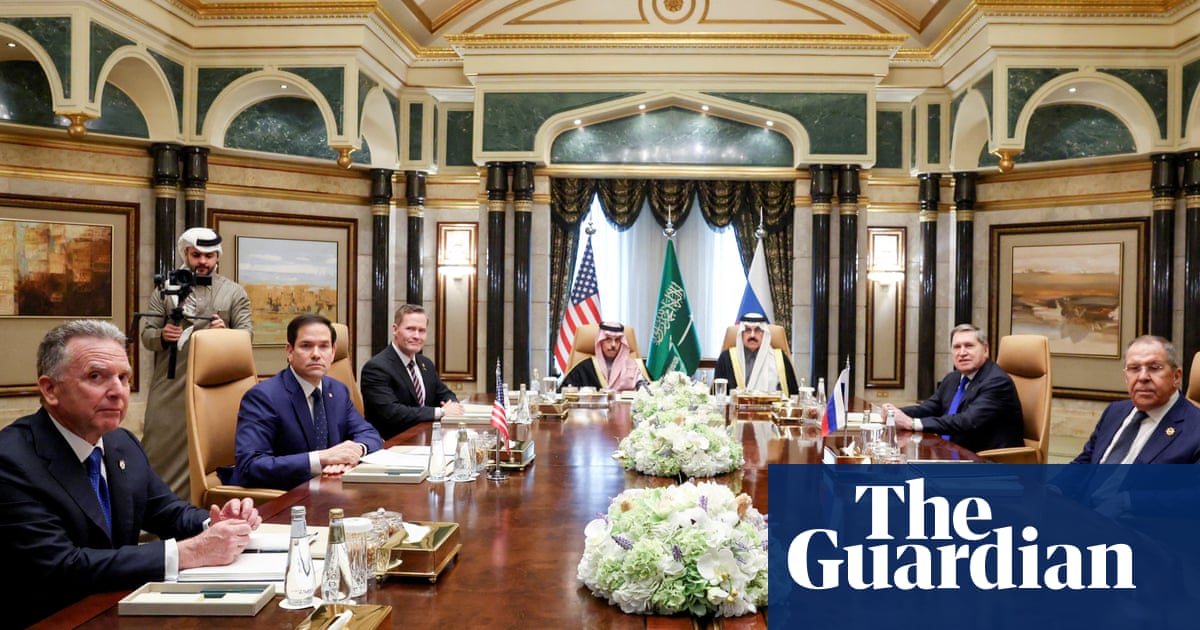
The recent meeting between high-ranking US and Russian officials in Riyadh, Saudi Arabia, marks a significant development in the ongoing conflict in Ukraine. This five-hour negotiation, the most extensive between the two nations in three years, signals a potential shift in the geopolitical landscape and raises concerns amongst Ukrainian and European leaders. The talks, attended by US Secretary of State Marco Rubio, National Security Advisor Mike Waltz, and Trump's special envoy Steve Witkoff, and Russian Foreign Minister Sergei Lavrov and Putin's chief foreign policy advisor Yuri Ushakov, centered on finding a path towards ending the war in Ukraine. The agreement to establish a high-level team to support Ukraine peace talks and explore closer relations and economic cooperation represents a departure from the Biden administration's previous strategy of isolating Moscow.
While the US emphasized the need for a resolution acceptable to all parties involved, including Ukraine, Europe, and Russia, the absence of Ukrainian or European officials at the meeting has sparked considerable anxiety. Ukrainian President Volodymyr Zelenskyy explicitly stated Ukraine's refusal to accept any outcome negotiated without its direct participation, underscoring Kyiv's apprehension about being sidelined in the process. His strong stance against territorial concessions reflects a determination to safeguard Ukraine's sovereignty and interests. The discussions in Riyadh represent the first high-level attempt at negotiation since the early days of the war, when talks collapsed due to Russia's demands. The lack of transparency surrounding a potential 'Trump peace plan' and Russia's willingness to engage adds to the uncertainty surrounding the outcome.
The statements released following the conclusion of the talks were carefully worded, offering little concrete detail. While both sides expressed a commitment to finding a lasting resolution, the specifics remained elusive. The US's willingness to consider territorial concessions and security guarantees, even proposing a European peacekeeping mission post-ceasefire, reflects a pragmatic, yet potentially controversial, approach. Russia, however, has consistently rejected the deployment of NATO troops in Ukraine, even under a different flag. This highlights the significant challenges inherent in achieving a mutually agreeable settlement. The Russian delegation's emphasis on ‘normalisation’ of relations with the US and their underlying demands, reminiscent of those issued before the full-scale invasion – namely, Ukraine's neutral status and a halt to NATO's eastward expansion – underscore the complexity of the situation and the potential for broader geopolitical implications.
Russia's stated conditions for peace, including not only a pledge denying Ukraine NATO membership but also the annulment of the 2008 Bucharest summit declaration, further complicate the path to resolution. Putin's previous insistence on a drastic reduction of Ukraine's military forces adds another layer of concern, raising fears of future vulnerability. The Russian delegation's participation in economic discussions, led by Kirill Dmitriev, highlights Moscow's attempt to leverage the situation for sanctions relief. Dmitriev's statements regarding potential returns of US oil majors to Russia showcase a calculated attempt to emphasize potential economic benefits for both sides. The involvement of Saudi Arabia and Crown Prince Mohammed bin Salman, previously labeled a pariah by the Biden administration, adds another layer of intrigue to the international dynamics.
The swift US diplomatic efforts have caused alarm in Kyiv and amongst European allies, who fear a deal that prioritizes expediency over their interests. The subsequent emergency meeting convened by France, involving EU nations and the UK, demonstrates a concerted effort to coordinate a response and ensure a unified European position. Despite discussions between Macron, Trump, and Zelenskyy, concrete measures remain elusive, reflecting the ongoing divisions within Europe regarding troop deployment in Ukraine. The Riyadh talks provide Saudi Arabia with an opportunity to showcase its influence on the world stage, solidifying its role as a key intermediary between Russia and the US. The long-term implications of this meeting remain uncertain, with the success of the peace process hinging on the willingness of all parties to compromise and prioritize a lasting resolution that respects the sovereignty and security of all nations involved. The path ahead is fraught with challenges, and the international community waits with bated breath to see whether these initial talks will truly pave the way towards a peaceful resolution of the conflict in Ukraine, or simply mark another step in a protracted and complex geopolitical game.
Source: US and Russia to explore closer relations after Ukraine talks in Riyadh