
 |
|
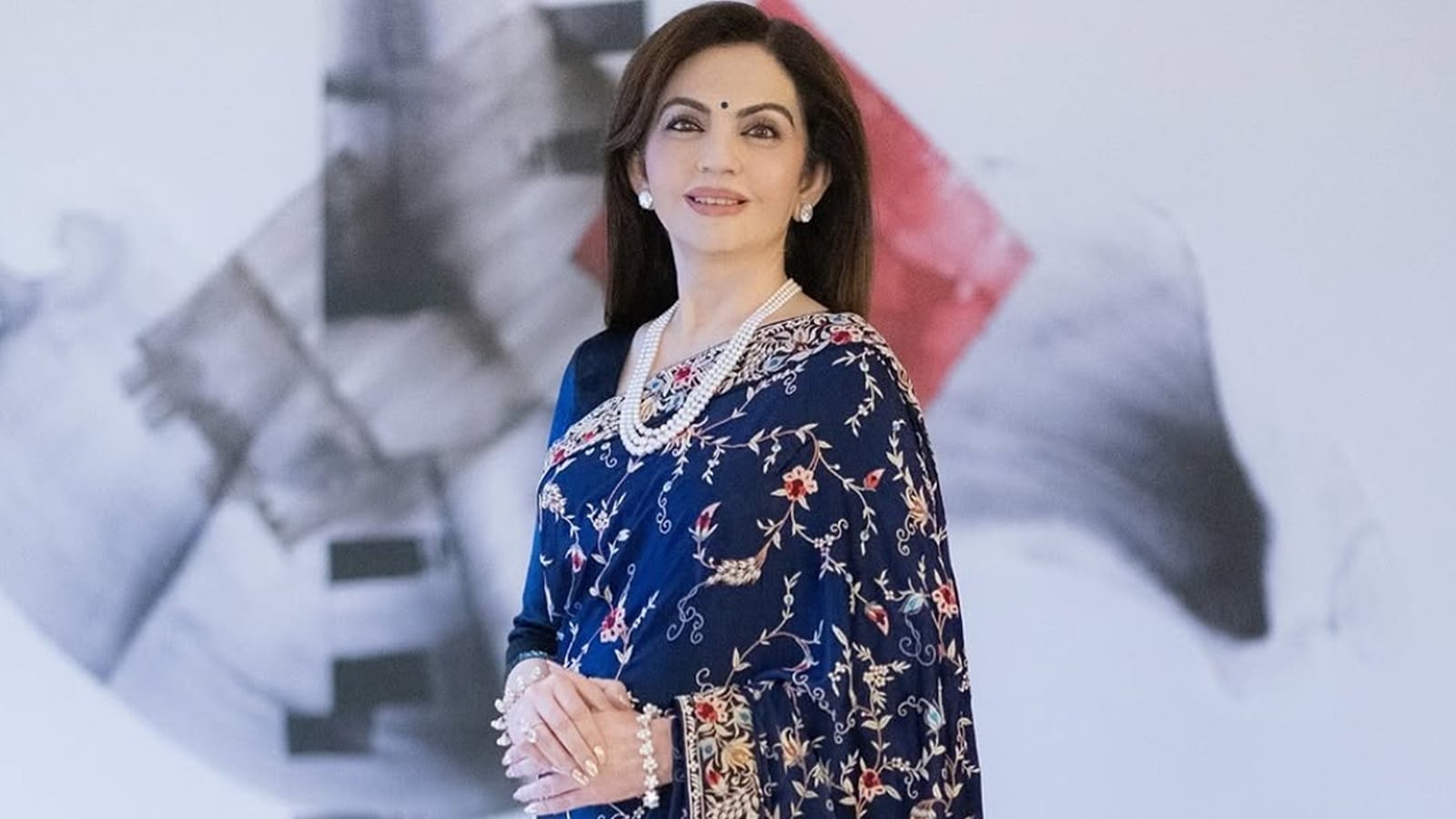
Nita Ambani's appearance at the Harvard India Conference was marked not only by her impactful keynote speech but also by the stunning traditional attire she chose to wear. The centerpiece of her ensemble was a breathtaking Parsi Gara sari, a testament to the exquisite artistry and painstaking craftsmanship of a nearly-lost textile tradition. This meticulously embroidered garment, which took eighteen months to create, served as a powerful visual representation of India's rich cultural heritage and the urgent need to preserve its vanishing arts. The sari's creation involved a dedicated team of artisans under the guidance of renowned fashion designer and art revivalist, Zenobia S. Davar. Davar's commitment to reviving Parsi Gara embroidery is evident in the intricate detail of the sari, a piece that exemplifies the fusion of ancient techniques and contemporary design sensibilities.
The significance of the sari extends beyond its aesthetic beauty. The deep red and blue hues, adorned with exquisite floral embroidery, symbolize the rich legacy of Parsi textile art. The embroidery itself is a remarkable feat, employing the historically significant “forbidden stitch,” a technique so intricate and labor-intensive that it was once only accessible to royalty. Zenobia explains that the challenging nature of this stitch, often requiring artisans to work in poor lighting conditions, led to the historical association of the technique with a high risk of blindness for the craftspeople. This “forbidden stitch,” originally introduced to India through Indo-Chinese trade, is a hallmark of authentic Parsi Gara embroidery, underscoring the sari's historical and cultural value. The transition from fine sewing needles to hook needles (Aari technique) reflects a modern adaptation while preserving the essence of this ancient craft. This highlights the balance between tradition and innovation that defines Zenobia's approach to preserving Parsi Gara.
The choice of this particular sari, however, also underscores a pressing concern: the threat of extinction facing the Parsi Gara tradition. The rise of mass production and the proliferation of imitation pieces have significantly diminished the demand for authentically handcrafted Garas. Zenobia's interview warns against the prevalence of counterfeit Garas sold at inflated prices, blurring the lines between genuine artistry and mass-produced imitations. She emphasizes the importance of recognizing the true value of a Parsi Gara sari—a legacy woven into the fabric itself, reflecting generations of skill and cultural heritage. The decline of handlooms in the 1970s due to the rise of power looms further exacerbated the situation, pushing this art form closer to obscurity. Zenobia's work is a counterpoint to this decline; her dedication to restoring vintage Garas to their original glory, employing artisans sustainably, and educating consumers about authentic pieces stands as a crucial effort to safeguard the tradition.
The collaboration between Nita Ambani and Zenobia Davar represents a powerful alliance between a prominent public figure and a passionate artisan committed to cultural preservation. Ambani's decision to wear this particular sari at such a high-profile event served to elevate the profile of Parsi Gara embroidery on a global stage. By showcasing this rare and exquisite piece, Ambani not only demonstrated her appreciation for traditional Indian craftsmanship but also played a significant role in raising awareness about the need to protect this endangered art form. This strategic move transcends mere fashion; it transforms the sari into a symbol of cultural heritage, prompting a renewed appreciation for handcrafted textiles and the artisans who create them. The choice to complement the antique sari with a custom-designed blouse by Manish Malhotra further emphasizes the harmonious blend of traditional techniques and contemporary style.
The impact of this collaboration extends beyond the immediate sphere of fashion. It presents a potent argument for the importance of supporting local artisans and preserving traditional skills. The revival of Parsi Gara embroidery, fueled by high-profile endorsements like Ambani's, has the potential to create economic opportunities for artisans, ensuring the continuity of this precious art form for generations to come. It is a testament to the enduring power of cultural heritage and the significant role that individuals and organizations can play in protecting and promoting these traditions. The story of Nita Ambani's sari serves as a powerful example of how fashion can be a vehicle for cultural preservation and economic empowerment, showcasing the synergy between art, heritage, and social responsibility.