
 |
|
Delhi experienced its warmest morning of the season on Tuesday, February 18th, with the minimum temperature reaching a remarkable 13.3 degrees Celsius. This is a significant 2.2 degrees above the normal minimum temperature for this time of year, according to the India Meteorological Department (IMD). The unusual warmth is a stark contrast to the typically cooler temperatures expected in Delhi during this period. This unexpected surge in temperature has sparked discussions amongst weather experts, who are attributing it to an approaching western disturbance that will affect the region's weather patterns in the coming days.
The IMD's forecast predicts rain and thunderstorms for Wednesday, February 19th. This precipitation is anticipated to bring some relief from the unseasonably warm temperatures that have gripped Delhi. The western disturbance, a weather system originating in the west, is expected to be the primary catalyst for this change. While the maximum temperature remained relatively steady at 28.8 degrees Celsius on Tuesday, it is projected to stay at the same level on Wednesday despite the expected rainfall. The arrival of the western disturbance signifies a shift in the atmospheric conditions, leading to a departure from the recent period of unusually high minimum temperatures.
The second-highest minimum temperature recorded this season was 12.8 degrees Celsius on February 4th. The maximum temperature on that day was 28.8 degrees Celsius, which was 4.4 degrees above normal. The consistency of the maximum temperature at 28.8 degrees Celsius across multiple days highlights a more persistent warming trend rather than simply a daily fluctuation. This persistent warmth, combined with the expected rainfall, emphasizes the complexity of Delhi's weather patterns and the influence of large-scale atmospheric systems such as western disturbances.
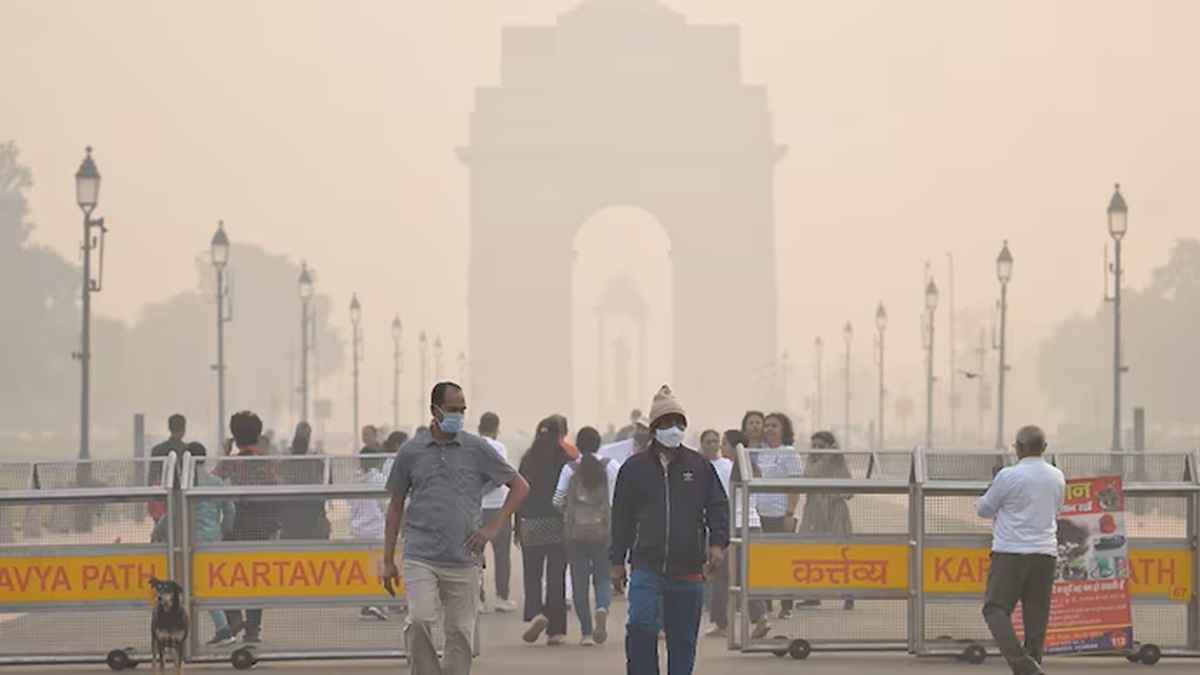
Beyond the temperature fluctuations, Delhi's air quality remains a concern. On Tuesday, at 4 pm, the Air Quality Index (AQI) was recorded at 209, falling within the 'poor' category. This indicates a level of air pollution that may pose health risks to vulnerable populations, such as children, the elderly, and individuals with respiratory issues. The AQI scale ranges from 0 to 50 ('good'), 51 to 100 ('satisfactory'), 101 to 200 ('moderate'), 201 to 300 ('poor'), 301 to 400 ('very poor'), and 401 to 500 ('severe'). The 'poor' air quality highlights the need for continued efforts to improve air quality in Delhi, including measures to control vehicular emissions and industrial pollution.
The unusual weather patterns in Delhi are not isolated incidents. Globally, January 2025 was recorded as the warmest January on record, according to the European climate agency. This occurred despite the presence of La Niña, a climate pattern typically associated with cooler global temperatures. The global average temperature in January 2025 reached 13.23 degrees Celsius, surpassing the previous record set in January 2024. This is a significant 0.79 degrees above the 1991-2020 average and 1.75 degrees Celsius above pre-industrial levels. Scientists are increasingly concerned about the ongoing rise in global temperatures and its potential ramifications for the planet's climate and ecosystems. The fact that global temperatures have remained above the 1.5-degree Celsius threshold for 18 of the past 19 months underscores the urgency of addressing climate change.
The confluence of Delhi's unusually warm temperatures, the anticipated rainfall, the persistent poor air quality, and the broader context of record-breaking global temperatures emphasizes the interconnectedness of local and global weather patterns. The impact of western disturbances, combined with long-term trends in climate change, continues to pose significant challenges for cities like Delhi, requiring both immediate responses to address short-term weather events and long-term strategies for mitigating the effects of climate change. The upcoming rainfall offers temporary respite from the heat, but the underlying issues of air pollution and rising global temperatures demand sustained attention and proactive measures.
Source: Delhi records highest minimum temp of season at 13.3 degrees Celsius, rain expected on Feb 19