
 |
|
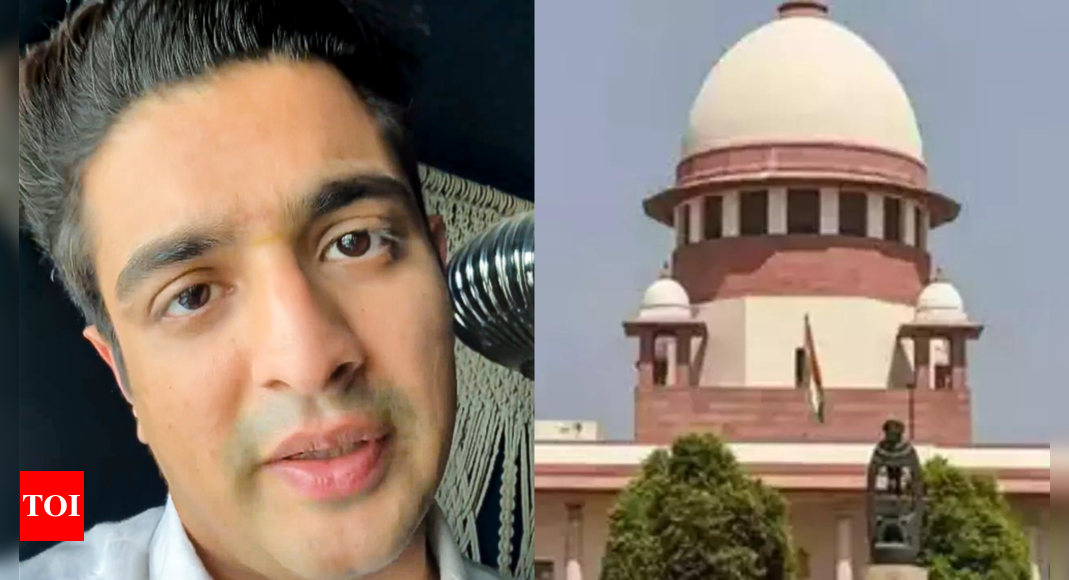
The Supreme Court of India recently delivered a scathing rebuke to influencer Ranveer Allahbadia following controversial comments made during his appearance on the YouTube show 'India's Got Latent'. The court's decision underscores the complexities of balancing freedom of speech with societal norms and the potential legal consequences of inflammatory rhetoric. The hearing highlighted the tension between the right to express oneself freely and the responsibility to avoid causing harm or offense. The court's strong words, describing Allahbadia's language as 'dirty' and capable of causing shame, reveal a deep concern about the impact of his words on society, particularly women and their families. The case serves as a stark reminder that the boundaries of free speech are not unlimited, particularly in a context where influential figures reach a large audience.
The Supreme Court's decision to grant Allahbadia interim protection, while simultaneously imposing restrictions, reflects a careful balancing act. The court acknowledged the death threats Allahbadia claimed to have received, indicating a recognition of the potential risks he faces. However, the court's stipulations – requiring him to deposit his passport and prohibiting him from leaving the country without permission – demonstrate a clear intention to ensure his availability for further legal proceedings. This approach seeks to address both the safety concerns and the need for accountability. The order prohibiting further episodes of 'India's Got Latent' suggests a desire to prevent similar controversies from arising in the future, indicating a proactive approach to regulating online content.
The case raises important questions regarding the regulation of online content and the responsibilities of influencers. While platforms like YouTube offer a significant platform for individuals to share their views, the ease of access to large audiences also demands a corresponding level of responsibility. The Supreme Court's response points towards a growing awareness of the potential societal impact of online content, particularly when it originates from prominent figures. The court's decision may encourage a reevaluation of content creation practices amongst influencers, pushing them towards more responsible and ethical approaches. Furthermore, it highlights the ongoing challenges of balancing the rights of free speech with the need to protect individuals and society from harmful content.
The role of the show's host, Samay Raina, also adds another layer of complexity to the situation. While he expressed regret and removed the controversial videos, the incident highlights the potential for unintended consequences and the responsibility shared by all involved in creating and distributing online content. Raina's statement indicates an acknowledgement of the gravity of the situation and his willingness to cooperate with the authorities. The incident underscores the importance of robust editorial oversight and ethical considerations in the production of online content. The case may lead to stricter guidelines and increased accountability for creators and platforms.
The legal proceedings surrounding Allahbadia's comments have significant implications for the future regulation of online speech in India. The Supreme Court's decision serves as a precedent, potentially influencing future cases involving online content and the accountability of those who create and disseminate it. This case compels a broader conversation about the responsible use of online platforms, the boundaries of free speech, and the necessary mechanisms to address harmful or offensive content. The decision underscores the need for a multi-faceted approach, involving not only legal intervention but also self-regulation within the online community and collaborative efforts between platforms and regulatory bodies.
Source: India's Got Latent row: Five key takeaways from SC hearing in Ranveer Allahbadia case