
 |
|
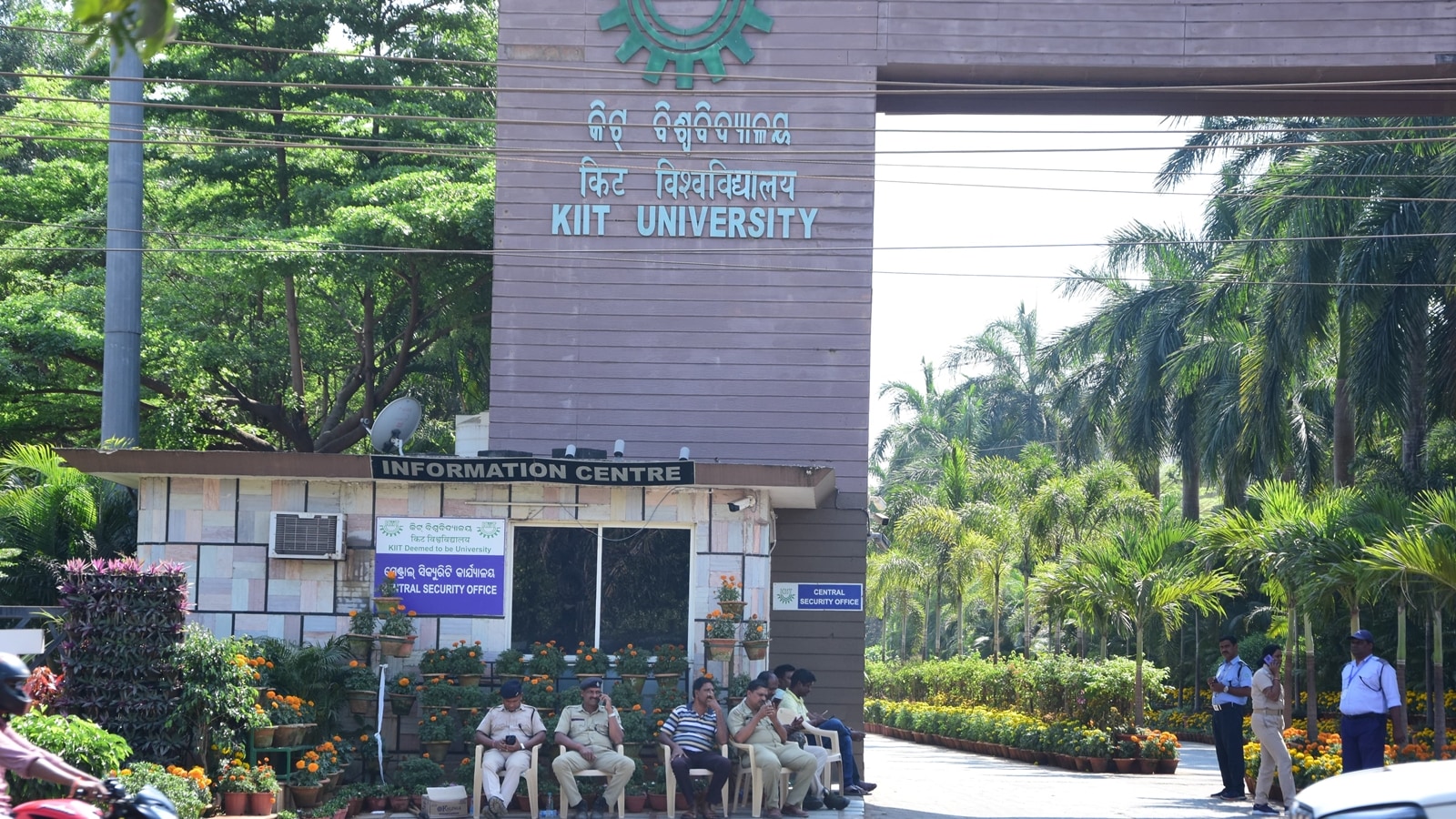
The tragic suicide of a 20-year-old Nepali engineering student at KIIT University in Bhubaneswar, India, has ignited a firestorm of controversy, focusing on the alleged inaction of university authorities in addressing a prior harassment complaint. The victim's father poignantly asserts that his daughter's death might have been prevented had the university responded appropriately to her concerns. This case highlights the critical need for universities to establish robust mechanisms for addressing student complaints, particularly those related to harassment and potential blackmail, and to ensure the safety and well-being of their students, especially those from vulnerable backgrounds studying far from home. The incident underscores a larger issue of how educational institutions handle sensitive matters involving student safety and the responsibility they bear in protecting their students from harm.
The accused, a 21-year-old student named Advik Srivastava from Lucknow, has been arrested. According to the First Information Report (FIR), filed by the deceased student's cousin, suspicion surrounds Srivastava's alleged blackmailing of the victim, directly contributing to her taking her own life. The arrest, while a seemingly immediate response to the tragedy, doesn't fully address the underlying systemic failures that allowed the alleged harassment to escalate to such a devastating point. The university's role in preventing this tragedy is being heavily scrutinized, particularly given the protesting Nepali students' claims that the International Relations Office (IRO) failed to take adequate action despite the victim reaching out for help. This lack of decisive action raises concerns about the effectiveness of KIIT's grievance redressal mechanisms and their commitment to providing a safe learning environment for all students, especially international students who might be more vulnerable due to their unfamiliar surroundings and distance from support networks.
KIIT registrar Jnyana Ranjan Mohanty confirmed that the victim had indeed lodged a complaint with the IRO concerning the accused's “misbehaviour.” However, Mohanty stated that the IRO officials merely counseled both students and issued a verbal warning to Srivastava, without any written record of the incident or any formal disciplinary action. This lack of formal documentation and follow-up raises serious questions about the university's commitment to protecting its students and the adequacy of its response to complaints of harassment. The absence of a written record makes it difficult to verify the university's claim of having taken action, further fueling the criticisms against KIIT's handling of the situation. The victim's father's account of the events leading to his daughter's death paints a picture of a young woman who seemed perfectly normal hours before the tragedy. The suddenness of the event, coupled with the university's reported failure to intervene effectively, underscores the urgency for a comprehensive investigation into the matter. The call for justice is not merely about punishing the accused; it's a demand for systemic changes to prevent similar tragedies from occurring in the future.
The father's testimony reveals the profound emotional toll this tragedy has taken on his family. His statement that he and his wife last spoke to their daughter just hours before her death and that she seemed perfectly normal highlights the devastating shock of the incident. The fact that they learned about the full extent of the alleged harassment only after reaching Bhubaneswar after being notified of her death emphasizes the lack of timely and transparent communication from the university. The father's plea for justice is not just for his daughter, but for the safety and security of future students at KIIT and other educational institutions. His emphasis on the vulnerability of students from distant places underlines the critical need for universities to provide comprehensive support systems and ensure the safety and well-being of all their students. The case exposes the challenges universities face in balancing the protection of students' rights with the complexities of managing disciplinary matters. This necessitates a deeper examination of the policies, procedures, and training required for university staff in handling sensitive cases involving student harassment and mental health.
The case of the KIIT student’s suicide raises crucial questions about the responsibilities of educational institutions in ensuring the safety and well-being of their students. The apparent lack of effective response to the victim's complaint highlights the need for universities to adopt a more proactive and transparent approach to handling student grievances, particularly those related to harassment and potential violence. Comprehensive training for staff members on how to handle such sensitive matters is paramount, as is the establishment of clear, documented procedures for addressing complaints and ensuring follow-up actions. The incident serves as a stark reminder of the importance of creating a supportive and safe environment for all students, regardless of their background or nationality. The focus should shift beyond merely punishing the perpetrator to addressing the systemic failures that enabled the tragedy to occur in the first place. A thorough investigation is required, not just to bring justice to the victim but to implement much-needed reforms to prevent similar incidents from happening again.
Beyond the immediate legal ramifications, this incident necessitates a broader conversation about mental health support on college campuses. The ease with which the victim seemingly succumbed to despair underscores the need for readily available and easily accessible mental health services. Universities must prioritize the provision of counseling services, workshops on stress management, and initiatives to promote mental well-being among students. Furthermore, there is a need for improved awareness and education regarding the signs and symptoms of mental health struggles, particularly among university staff who are often the first point of contact for students facing difficulties. By improving mental health support systems, universities can create a more supportive environment for students facing personal challenges and offer them the help they need before a crisis arises. This case should act as a catalyst for universities to comprehensively reassess their student support services and to enhance their capacity to prevent future tragedies of this nature.
Source: Odisha university student’s suicide: Victim’s father says KIIT should have acted on her complaint