
 |
|
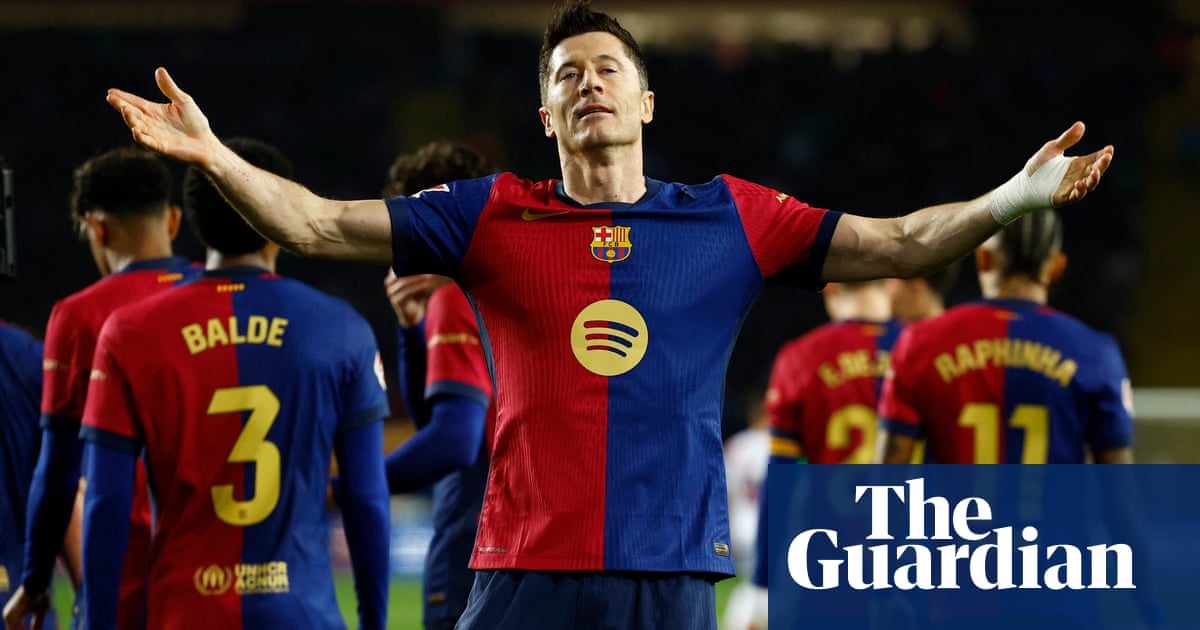
The La Liga match between Barcelona and Rayo Vallecano on Monday night was a contentious affair, marked by several controversial decisions involving the Video Assistant Referee (VAR). The game ultimately ended in a narrow 1-0 victory for Barcelona, a result that has ignited a firestorm of debate surrounding the role and effectiveness of VAR in Spanish football. The key moment came in the first half when Barcelona was awarded a penalty after a lengthy VAR review. Rayo Vallecano vehemently protested the decision, arguing that the foul leading to the penalty was not worthy of such a call. This incident immediately set the tone for a tense and emotionally charged match, where every refereeing decision was met with intense scrutiny from both teams and their respective coaching staffs. The penalty, converted by Robert Lewandowski, proved to be the decisive goal of the match, despite Rayo Vallecano’s persistent offensive pressure throughout the game. Their frustration was further compounded by a disallowed goal and another penalty appeal that was also denied by the referee, decisions which were upheld by VAR review. The contentious nature of these decisions highlights a growing concern surrounding the consistency and fairness of refereeing in La Liga, and the often-unpredictable outcomes influenced by VAR intervention.
Rayo Vallecano’s manager, Iñigo Pérez, expressed his profound disappointment and frustration following the match. In a post-game interview, he refrained from directly criticizing the referee's performance but clearly conveyed his dissatisfaction with the overall officiating. He emphasized his team’s strong performance and expressed his belief that the result did not accurately reflect the balance of play. His comments highlight a common complaint heard from managers in leagues worldwide: the feeling of a game being unjustly swayed by debatable refereeing decisions, amplified by the involvement of technology and the added layer of VAR reviews. This sense of injustice is often exacerbated by the lack of transparency in VAR decision-making and the difficulty in understanding the reasoning behind specific calls. This perceived lack of transparency can leave teams feeling frustrated and unjustly penalized, leading to increased tensions within the league and a erosion of trust in the system.
Barcelona's manager, Hansi Flick, on the other hand, remained steadfast in his support of VAR, declaring his faith in the technology's ability to improve the accuracy of refereeing decisions. While acknowledging the difficulty of the match and Rayo Vallecano's strong performance, Flick focused on the positive outcome of securing three crucial points, moving Barcelona into first place in the La Liga standings. His comments reveal a common dichotomy in football where managers readily embrace VAR when it benefits their team, while simultaneously criticizing its use when decisions go against them. This selective acceptance of technology is frequently observed throughout the sport, highlighting the human element that inevitably influences how outcomes are perceived and discussed. The contrasting views of the two managers underscore the deeply divisive nature of VAR and its impact on the dynamics of football matches. While technology has undoubtedly contributed to improved accuracy in certain aspects of refereeing, it has also created new challenges regarding transparency, consistency, and the management of expectations and tensions within the game.
The match outcome, coupled with dropped points by Real Madrid and Atlético Madrid, lifted Barcelona to the top of the La Liga table, level on points with Real Madrid but ahead on goal difference. This added significance to the controversial victory, placing a greater emphasis on the debate surrounding the VAR decisions. The continued concerns over refereeing in La Liga are not new, with Real Madrid previously expressing similar discontent with the governing bodies and their management of officiating. The ongoing conflict highlights not only the inherent challenges in implementing and managing VAR effectively but also the broader issue of maintaining fairness and transparency within a highly competitive and emotionally charged sporting environment. The events of Monday's match serve as a microcosm of the larger issues facing La Liga and raise important questions about the future of VAR and its impact on the competitive landscape of Spanish football. The heated debate surrounding these decisions underscores the need for open communication and the establishment of clear guidelines for the implementation and application of VAR technology to ensure fairness and enhance the integrity of the game.
Looking ahead, the impact of this controversial victory could extend beyond the immediate aftermath of the match. The debate surrounding VAR is likely to continue to gain traction, especially given the high stakes of the La Liga title race. The controversy surrounding this game will undoubtedly fuel discussions on improving the technology, its application, and the transparency of the decision-making process. The pressure is now on the Spanish football authorities to address the concerns raised by clubs and fans alike. Ultimately, the future of VAR in La Liga depends on the effectiveness of these discussions and the commitment to improving both the technology and the systems surrounding its use. This necessitates a holistic approach, involving improved communication with teams, clarification of protocols, and a willingness to adapt and evolve the system based on ongoing feedback and analysis. The incident serves as a critical learning experience, highlighting the need for ongoing refinement and greater focus on transparency to ensure the integrity and fairness of the game.
Source: Barcelona’s Flick backs VAR use in controversial win over Rayo Vallecano