
 |
|
The recent escalation of anti-Bangladesh sentiment in India, particularly in the northeastern states of Tripura and Assam, highlights a complex interplay of religious tensions, nationalistic fervor, and cross-border relations. The decision by hotels and restaurants in Tripura to refuse service to Bangladeshi nationals stems from widespread anger and concern over alleged atrocities against the Hindu minority population in Bangladesh. While the exact nature and scale of these atrocities are subjects of ongoing debate and verification, the perception of widespread persecution has fueled strong reactions within India. This sentiment transcends mere political rhetoric; it's a groundswell of emotion influencing the daily lives of ordinary citizens and businesses, leading to tangible consequences like the boycott observed in Tripura. The actions of the All Tripura Hotels and Restaurants Owners’ Association, while seemingly discriminatory, are rooted in a deep-seated fear and perceived lack of protection for religious minorities across the border. The association's statement, while condemning the actions of extremist elements in Bangladesh, reveals a sense of helplessness and frustration with the perceived inaction or insufficient response from either the Indian or Bangladeshi governments. This highlights a key aspect of the situation: the lack of trust and communication between the two nations, further exacerbating existing tensions.
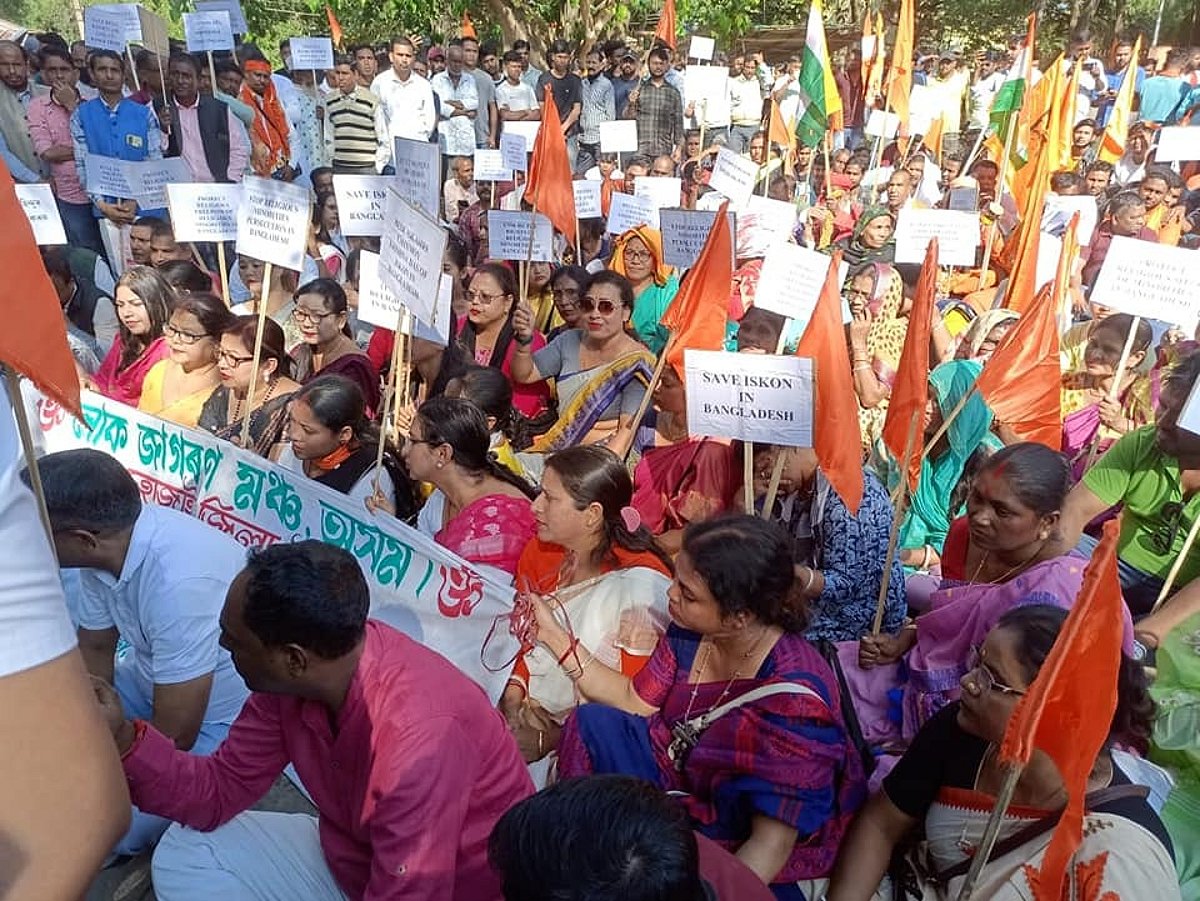
The boycott in Tripura is not an isolated incident. Similar actions have been reported from other parts of India. A multi-specialty hospital in Agartala, the ILS Hospital, followed suit, suspending treatment for Bangladeshi patients. This demonstrates the widespread nature of the sentiment and suggests that the protest movement is not confined to a small group but reflects broader societal anxieties. Furthermore, the involvement of political parties in the protests, such as the Congress party staging a demonstration outside the Bangladesh Assistant High Commission in Guwahati, Assam, adds another layer of complexity to the situation. The political dimension underscores the potential for the situation to escalate further, potentially impacting diplomatic relations between the two countries. The protests by organizations such as Lok Jagran Manch and Sanatani Aikya Manch further illustrate the mobilization of civil society in expressing their discontent and outrage. The planned “Bangladesh Chalo” march, while stopped by police, reveals the intensity of feelings among some segments of the population and the desire for direct action.
Analyzing the situation requires a nuanced understanding of multiple factors. First, the religious dimension cannot be ignored. The focus on atrocities against Hindus in Bangladesh taps into a sensitive issue with deep historical and cultural roots. The perception, whether accurate or exaggerated, of religious persecution fuels the emotional response and motivates the boycott. Second, the underlying socio-economic factors also play a role. Competition for resources and opportunities can exacerbate cross-border tensions. Concerns over illegal immigration from Bangladesh into India, while not directly addressed in the articles, often form a subtext in discussions surrounding relations between the two countries. Third, the role of media and its potential for disseminating misinformation or biased accounts must be considered. The selective presentation of information can amplify existing prejudices and inflame public opinion, contributing to the escalation of tensions. This complex interplay of religious, economic, and informational factors makes the situation challenging to resolve.
Moving forward, addressing the underlying causes of the conflict is crucial. Open communication and diplomatic efforts between the Indian and Bangladeshi governments are vital for de-escalating the tension. This includes investigating allegations of atrocities against minorities in Bangladesh while simultaneously addressing concerns in India about illegal immigration and cross-border crime. Promoting intercultural dialogue and understanding can help to counter the spread of misinformation and foster mutual respect. Finally, strengthening legal frameworks and enforcement mechanisms on both sides of the border can help prevent future incidents and provide a sense of security to all citizens. The situation requires a multifaceted approach that goes beyond addressing immediate symptoms and focuses on building sustainable, long-term solutions to prevent a repeat of similar incidents and ensure amicable relations between the two countries. Ignoring these underlying causes could lead to a further escalation of tensions and a potentially protracted period of unrest.
In conclusion, the boycott of Bangladeshi nationals in Tripura represents a significant escalation of anti-Bangladesh sentiment in India, rooted in concerns about religious persecution and broader socio-political factors. While the actions of some businesses are understandable within the context of their anxieties, they highlight the urgent need for diplomatic engagement, cross-cultural dialogue, and a comprehensive approach that addresses the root causes of the conflict. The long-term consequences of ignoring the underlying tensions could lead to a serious deterioration in bilateral relations between India and Bangladesh, affecting not only political relations but also the lives of countless individuals living across the border.
Source: Tripura hotels, restaurants refuse to serve Bangladeshi guests