
 |
|
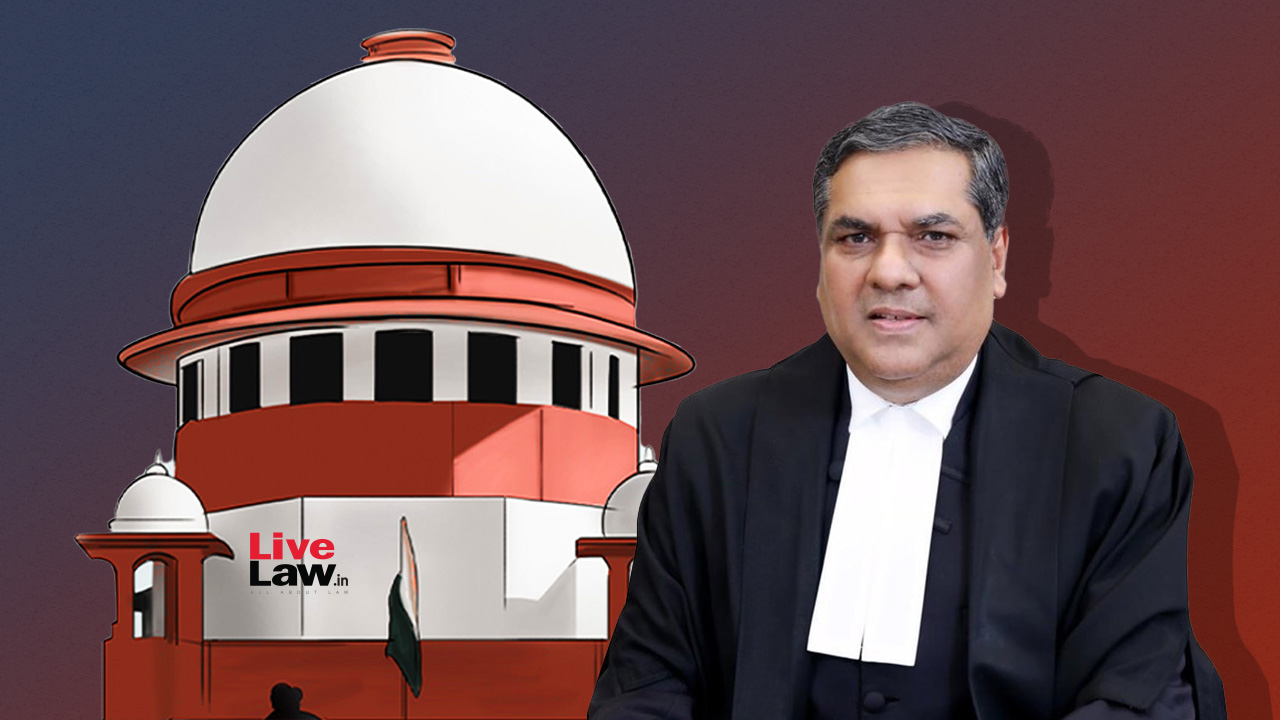
The Chief Justice of India (CJI), Sanjiv Khanna, recently recused himself from a case challenging the newly enacted law concerning the appointment of Election Commissioners. This decision carries significant implications for the independence of India's election body and raises questions about the balance of power between the judiciary and the executive branches of government. The petitions, filed by various parties including Congress leader Jaya Thakur, the Association for Democratic Reforms (ADR), and the People's Union for Civil Liberties (PUCL), target Sections 7 and 8 of the Chief Election Commissioner and Other Election Commissioners (Appointment, Conditions of Service and Term of Office) Act, 2023. These sections altered the composition of the committee responsible for appointing the Chief Election Commissioner (CEC) and other Election Commissioners, removing the CJI from the process.
The previous system included the CJI, the Prime Minister, and the Leader of the Opposition in the appointment committee. The 2023 Act replaced this with a committee comprising the Prime Minister, a Cabinet Minister, and the Leader of the Opposition. This shift has been met with considerable criticism, with concerns raised about the potential for political influence on the selection process and a resulting compromise in the independence of the Election Commission. The petitioners argue that the new law undermines the impartiality and autonomy of the Election Commission, which is crucial for conducting free and fair elections. The removal of the CJI from the appointment process, they contend, diminishes the checks and balances essential to prevent executive overreach.
Chief Justice Khanna's recusal from the case adds another layer of complexity to the already contentious issue. While the reasons for his recusal remain undisclosed, it raises questions about the potential for conflict of interest or the perception thereof. The case has been adjourned to January 6, 2025, to be heard before a different bench. This delay further prolongs the uncertainty surrounding the validity of the new law and its potential impact on future elections. In the interim, the Union Government and the Election Commission have been instructed to file their responses. The previous refusal by a bench including Justice Khanna to stay the law before the 2024 Lok Sabha elections suggests a potential reluctance to interfere with the electoral process, highlighting the delicate balance the court must strike between upholding the rule of law and avoiding actions that could be perceived as influencing the election's outcome.
The background to this legal challenge lies in a previous Supreme Court ruling. A constitution bench, led by Justice (Retd) K.M. Joseph, had earlier directed that Election Commissioners be appointed by the President on the advice of a committee including the Prime Minister, the Leader of the Opposition, and the CJI. However, this direction was explicitly temporary, intended to remain in effect until Parliament enacted a law on the matter. The 2023 Act, therefore, represents Parliament's response to this judicial direction, albeit one that has sparked significant controversy and legal challenges. The new legislation replaces the Election Commission (Conditions of Service of Election Commissioners and Transaction of Business) Act, 1991, introducing a more streamlined, yet arguably less independent, appointment process.
The implications of this case extend beyond the immediate legal challenge. The independence of the Election Commission is a cornerstone of a robust democracy. Any perceived or actual influence on the selection of its members can undermine public trust in the integrity of the electoral process. The Supreme Court's final decision on the legality and constitutionality of the 2023 Act will have far-reaching consequences for the future of India's electoral system and the balance of power within the Indian government. The extended timeline before the case is heard again highlights the seriousness of the issue and the potential impact of the court's ruling on the functioning of one of the country's most important institutions.
The various petitioners represent a diverse cross-section of civil society organizations and political actors, emphasizing the widespread concern over the potential ramifications of the 2023 Act. Their collective legal challenge underscores the importance of maintaining the Election Commission's independence from partisan political influence to ensure free and fair elections, a cornerstone of a functioning democracy. The ultimate resolution of this case will not only determine the legality of the current appointment process but also set a significant precedent regarding the balance of power between the different branches of the Indian government and the safeguarding of vital democratic institutions.