
 |
|
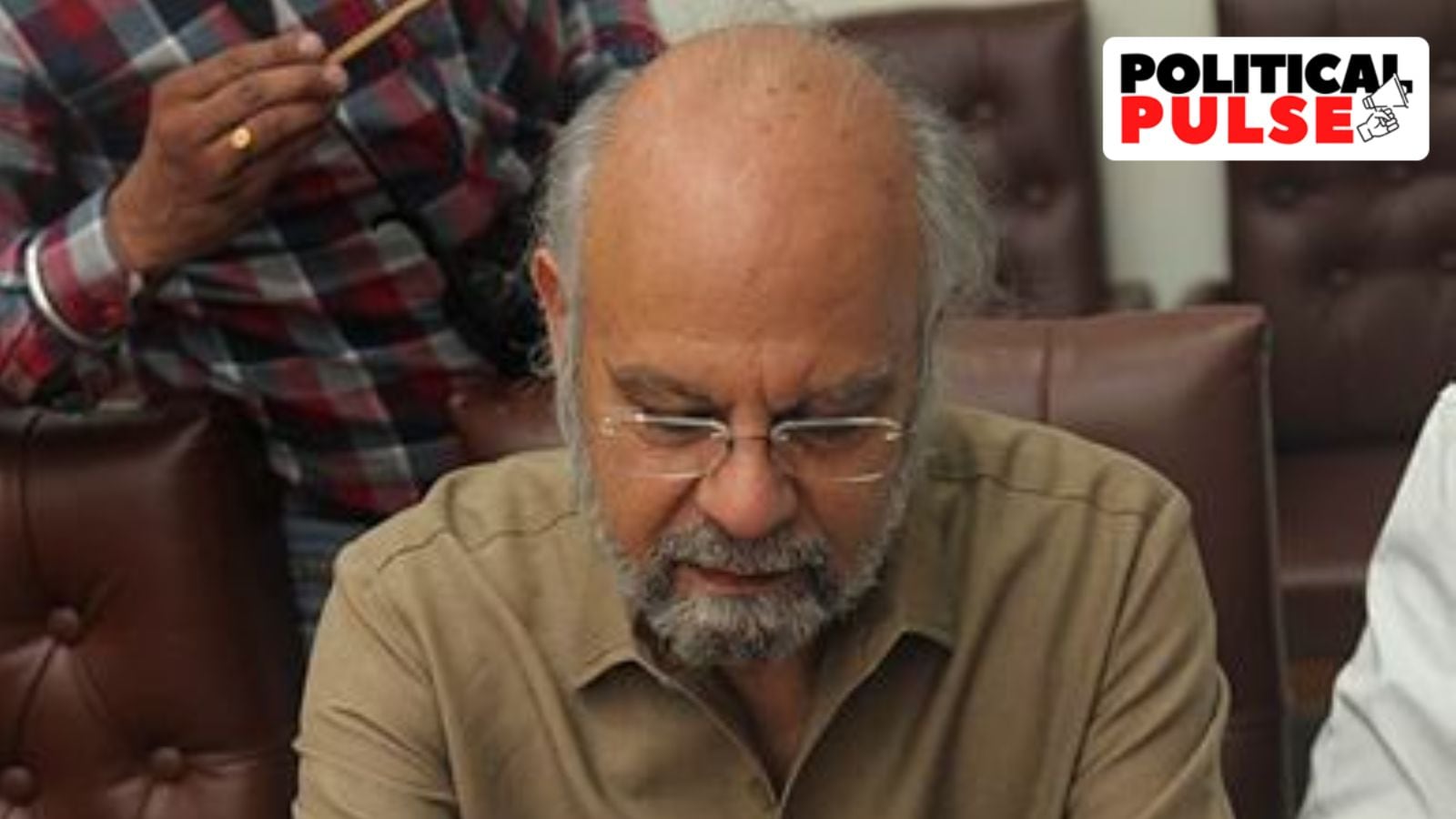
The Shiromani Akali Dal (SAD) is facing internal turmoil and external pressures, as evidenced by the Akal Takht's strong criticism of its leadership. This verdict, which declared the current leadership to have lost its moral right to lead the community, has sparked debate about the party's future direction and its relationship with other political forces. Naresh Gujral, a prominent SAD leader, views the Akal Takht's decision as a challenge that the party can overcome by reconnecting with its base and regaining public trust. He stresses that the party will not be swayed towards purely Panthic issues but will continue to prioritize the broader interests of Punjab and its people, including maintaining the vital Hindu-Sikh amity that is crucial for the state's peace and progress. He frames the party's future success on rebuilding trust amongst the Sikh population and re-establishing its image as a champion for the interests of all Punjabis.
Gujral's perspective on the Akal Takht's withdrawal of the 'Fakhr-e-Qaum' title from Parkash Singh Badal is noteworthy. He acknowledges the decision but downplays its potential political impact, arguing that voters are influenced by a multitude of factors beyond mere titles and honors. This demonstrates a pragmatic understanding of electoral dynamics and a focus on regaining public confidence through tangible actions rather than relying on symbolic gestures or legacy. The interview also touches upon the complex relationship between the SAD and the BJP, a significant aspect of Punjab's political landscape. Gujral highlights the historical reasons for the alliance, its initial successes in fostering Hindu-Sikh harmony, and the eventual breakdown due to several key disagreements.
The core issues that led to the SAD's parting ways with the BJP are significant. Gujral points to the controversial farm laws as a major point of contention, underscoring the lack of consultation and the resulting alienation of the farming community. The interference in Sikh religious institutions and the delay in the release of Bandi Sikhs (Sikh political prisoners) are also identified as critical factors contributing to the breakdown of the alliance. The lack of Sikh representation in key positions, from vice-chancellors to minority commissions, further fuels the sense of marginalization felt by the Sikh community. These issues highlight the deep-seated grievances and the challenges in repairing the damaged relationship between the two parties. Gujral states clearly that a return to any sort of alliance is contingent on the BJP addressing the SAD's core demands.
The SAD's decision to sit out the recent bypolls is explained as a strategic move to avoid any appearance of internal conflict or a vote of no-confidence in Sukhbir Badal's leadership. While acknowledging the ongoing debate about potential leadership changes within the party, Gujral emphasizes that any such decision will be made through a democratic process within the party, allowing its members to decide their next leader. This underlines the internal processes within the SAD and stresses the party's commitment to internal democracy and the significance of its internal decision-making processes. The emergence of radical voices in recent elections, as exemplified by the election of Amritpal Singh and Sarabjit Singh Khalsa, is viewed with concern, but Gujral attributes this partly to unemployment and a sense of hopelessness amongst Punjab's youth. He advocates for creating employment opportunities and addressing the underlying economic challenges faced by the state to prevent a further drift toward radicalism.
Gujral's final remarks underscore the urgency of addressing the economic issues that contribute to radicalization. He argues that Punjab's long-standing dependence on agriculture, coupled with shrinking landholdings and limited opportunities, has created a situation of desperation among the youth. This, combined with perceived government interference in religious affairs, fuels resentment and provides fertile ground for radical elements. He suggests that the absence of strong leaders from the BJP who understand Punjab’s unique dynamics has made the situation worse. The solution, according to Gujral, lies in fostering economic growth, creating employment opportunities and developing policies that specifically address Punjab's unique challenges. Both the state and the central governments bear a significant responsibility in preventing Punjab from regressing to the troubled times of the 1980s and 1990s, and restoring hope and prosperity to its people.