
 |
|
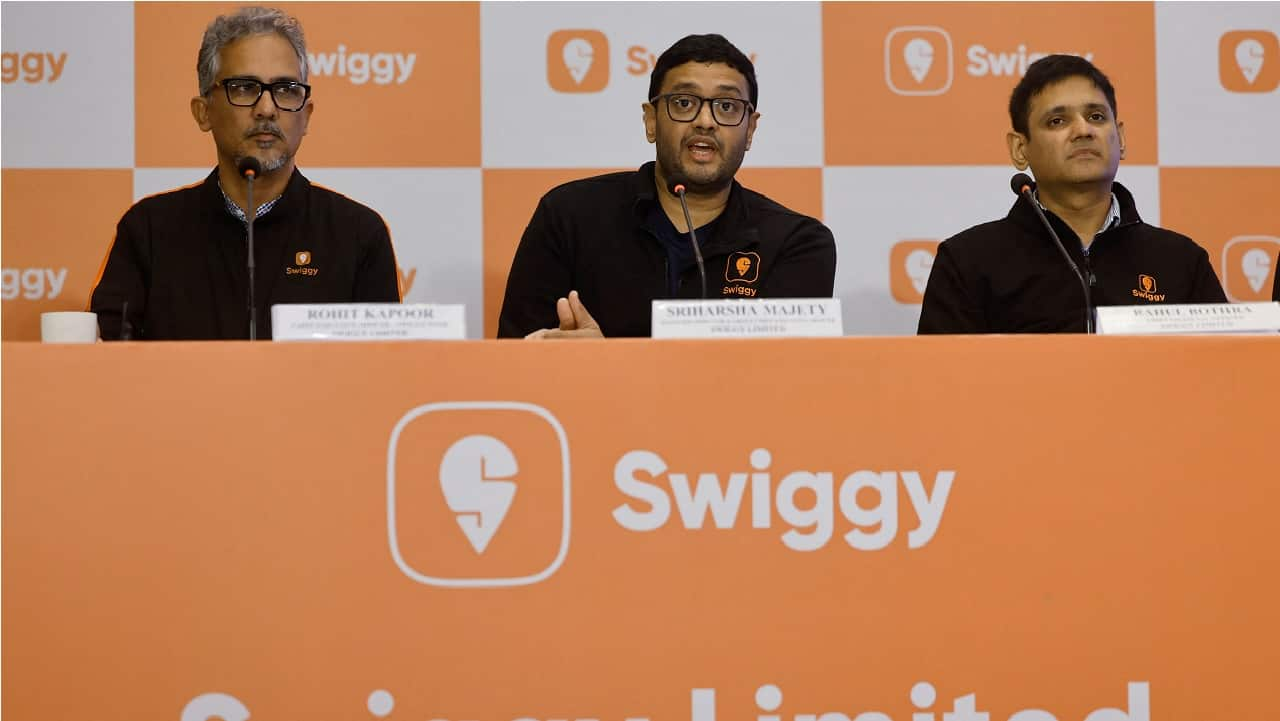
Swiggy, the Indian food delivery giant, has set an ambitious goal: to achieve operational profitability by December 2025. This target, announced in a letter to shareholders, marks a significant step in the company's journey since its November listing on the stock exchanges. The projected timeline, if met, would place Swiggy ahead of its main competitor, Zomato, which took approximately two years to reach operational profitability after its 2021 listing. Swiggy's confidence stems from the strong performance of its core food delivery business, which is already profitable on an adjusted EBITDA basis, with margins improving each quarter. This success is attributed to strategic initiatives such as streamlining the tech stack, enhancing manpower cost-efficiency, and optimizing marketing spending through a unified app. The company's rapid expansion into new ventures, such as its 10-minute delivery service, Bolt, further underscores its growth strategy. Within two months of its launch, Bolt already contributes 5% to Swiggy's overall food orders, showcasing the potential of this quick-delivery model. In the second quarter of fiscal year 2025, Swiggy's adjusted revenue from food delivery reached Rs 1,808 crore, representing an 18% increase compared to the previous year. Simultaneously, its adjusted EBITDA margin improved to 1.6%, a considerable leap from -0.8% in the corresponding period of the previous year.
Beyond its core food delivery operations, Swiggy is focusing on the growth of its quick commerce arm, Swiggy Instamart. While the food delivery segment provides a solid foundation, Instamart represents a significant area for expansion in a highly competitive market. Directly competing against Zomato's Blinkit and Zepto, Swiggy Instamart currently holds a smaller market share. While Blinkit boasts a gross order value (GOV) run rate of approximately $3 billion and Zepto around $2 billion, Swiggy Instamart's GOV run rate stands at $1.6 billion. This disparity highlights the challenges Swiggy faces in catching up with its established competitors in the quick commerce sector. Revenue figures further illustrate this gap: Swiggy Instamart recorded an adjusted revenue of Rs 513 crore in Q2FY25, significantly less than Blinkit's Rs 1,156 crore. However, Swiggy remains committed to strategic investments to enhance user acquisition and retention within its platform, aiming to ensure sustainable long-term profitability. The company's approach prioritizes securing market share while balancing investments to build a profitable future. The company acknowledges the competitive landscape, highlighting that comparing market share based on unaudited financials is unreliable.
Swiggy's financial position provides a considerable advantage in this competitive landscape. As of September, the company held a substantial cash reserve of Rs 4,531 crore. Furthermore, the recent IPO added Rs 4,539 crore (net of expenses), resulting in a total cash balance of Rs 9,070 crore. This financial strength equips Swiggy with the necessary resources to compete aggressively against industry giants like Zomato and Blinkit, which boast considerably larger cash reserves. Zomato, after a recent QIP, has a cash balance of Rs 19,300 crore, and Zepto has raised Rs 11,400 crore in the past five months alone. While Swiggy's cash reserves are smaller compared to its competitors, they still represent a substantial war chest that allows for strategic investments in growth and expansion, especially in the quick commerce sector. The company's strong financial position, coupled with its ambition to achieve operational profitability within a relatively short timeframe, positions Swiggy for continued growth and influence in the competitive Indian food delivery market. The ongoing competition between Swiggy, Zomato, and Zepto will be critical in shaping the future of the Indian quick commerce and food delivery landscape. The success or failure of Swiggy's ambitious profitability goals will depend significantly on its ability to navigate these challenges and effectively leverage its financial resources.
Source: Swiggy aims to turn operationally profitable by December 2025