
 |
|
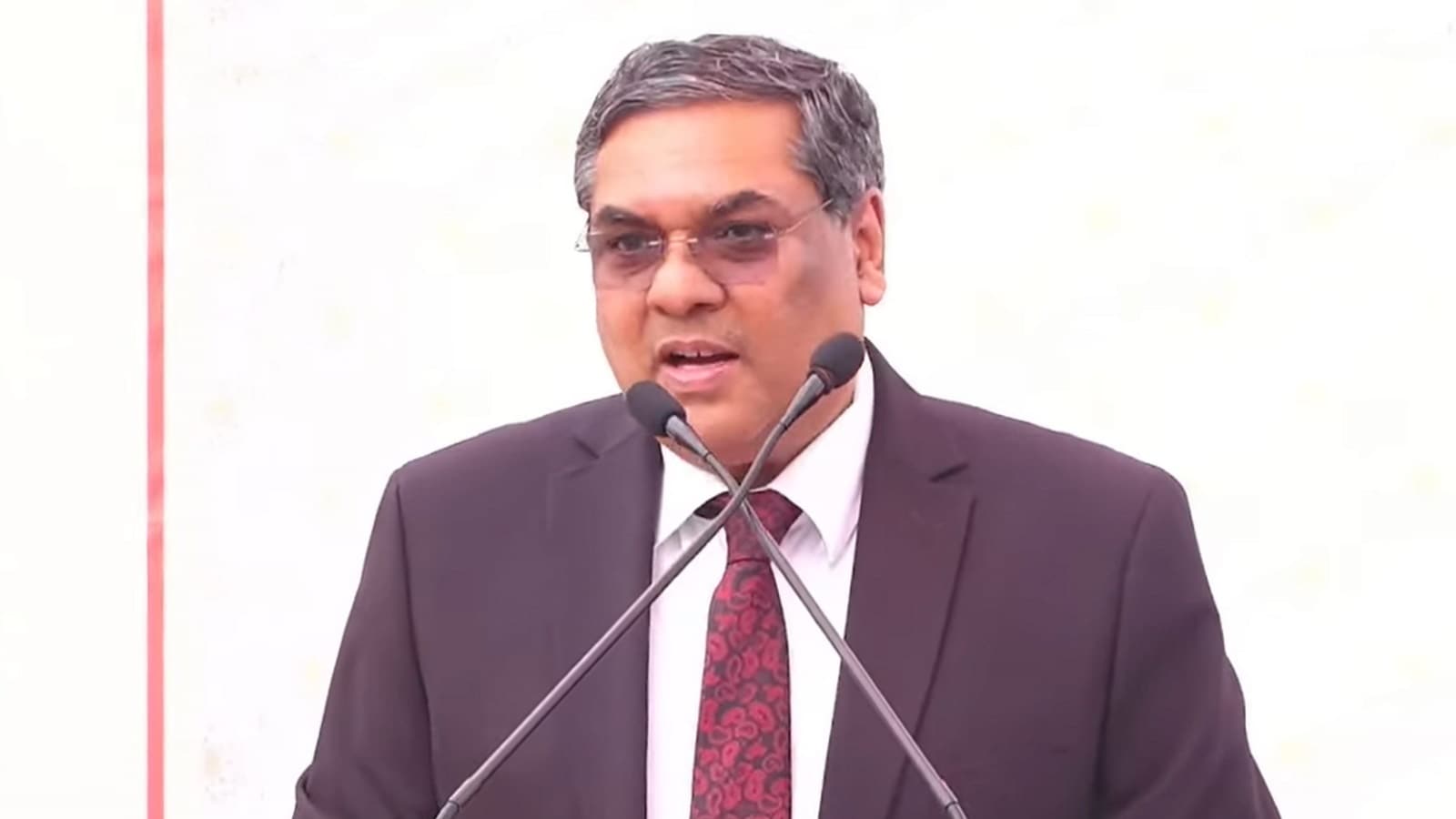
The Chief Justice of India (CJI), Sanjiv Khanna, made the significant decision to recuse himself from hearing a plea that directly challenges the constitutionality of the 2023 law governing the appointment of the Chief Election Commissioner (CEC) and other Election Commissioners (ECs). This action, taken on Tuesday, highlights the delicate balance between judicial impartiality and the potential for conflict of interest in such high-profile cases involving the very structure of India's electoral system. The case itself revolves around the legality of the Chief Election Commissioner and other Election Commissioners (Appointment, Conditions of Service and Term of Office) Act, 2023, which notably excludes the CJI from the appointment committee. This exclusion is the crux of the legal challenge.
The Supreme Court's previous involvement in this matter significantly informs the CJI's decision. In March 2023, a five-judge constitution bench, of which CJI Khanna was a member, delivered a landmark ruling. This ruling established that the CEC and ECs should be appointed via a committee comprising the Prime Minister, the Leader of the Opposition in the Lok Sabha, and the CJI. In instances where a recognized Leader of the Opposition is absent, the committee would instead include the leader of the largest Opposition party in the Lok Sabha. This interim order, however, was superseded by the subsequent parliamentary enactment of the 2023 Act, a move that effectively removed the CJI from the appointment process. The CJI's stated reasoning for recusal hinges on the potential for perception bias stemming from his involvement in the previous, albeit interim, ruling.
The petitioners' arguments, presented by Senior Advocate Gopal Sankaranarayanan, attempted to address the CJI's concerns. Sankaranarayanan emphasized that the CJI's previous participation was limited to an interim order, arguing that the circumstances and legal landscape had evolved since then. He expressed confidence in persuading the court to reach a different conclusion despite the overlap in the arguments presented. However, the CJI’s decision to recuse himself remained firm. The urgency of the matter was also brought to the court’s attention; another counsel noted the upcoming vacancy in the position of CEC. Sankaranarayanan further highlighted the impending end of the current CEC’s term on February 19, 2025, emphasizing the time sensitivity of the case. Despite these pleas for expedited hearing, the bench decided to list the matter for hearing in the week commencing January 20, 2025. This postponement suggests a cautious approach to ensure a thorough and impartial examination of the complex constitutional issues at stake.
The CJI's recusal underscores the importance of maintaining public confidence in the judiciary’s integrity. While the petitioners' arguments held merit, the CJI’s decision prioritizes the avoidance of any appearance of conflict of interest, regardless of the potential impact on the timing of the ruling. The case’s postponement, while potentially frustrating for those seeking a swift resolution, underscores the court’s commitment to due process and a fair hearing. The impending vacancy in the CEC position adds further weight to the urgency of the matter, creating a scenario where the resolution might have significant implications for the conduct of future elections in India. The subsequent hearings will likely delve deeply into the legal arguments surrounding the validity of the 2023 Act, scrutinizing whether the exclusion of the CJI undermines the principles of independence and impartiality integral to the appointment of such crucial electoral officials.
This case has far-reaching implications for the balance of power between the executive and the judiciary in India's electoral system. The 2023 Act, by removing the CJI from the appointment committee, arguably shifts the balance of power more decisively toward the executive branch. The court's ultimate decision on the validity of the Act will have a profound impact not only on the composition of the Election Commission but also on the broader question of checks and balances in India's democracy. The legal arguments presented will likely center on the interpretation of constitutional provisions regarding the independence of the judiciary and the need for transparency and impartiality in the appointment of key election officials. The outcome will profoundly shape the future landscape of electoral governance in India and set a precedent for future cases involving the interpretation of related constitutional provisions.
Source: CJI Sanjiv Khanna recuses from hearing plea challenging law on CEC appointment