
 |
|
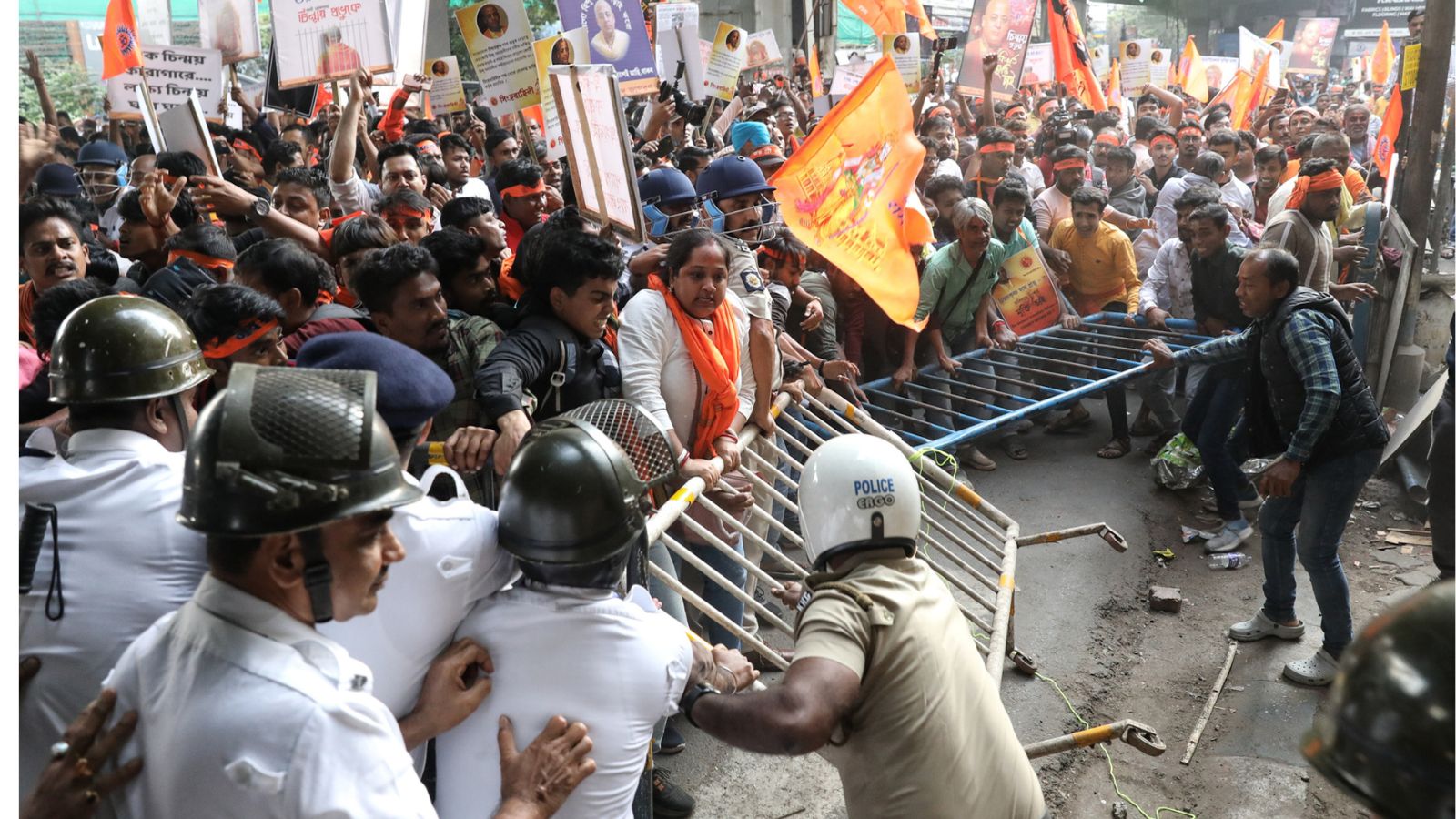
The recent arrest of ISKCON monk Chinmoy Krishna Das in Bangladesh has ignited a firestorm of protests and escalating violence against the Hindu community. This situation, highlighted by the urgent plea from ISKCON Kolkata's vice president, Radharamn Das, underscores a deeply concerning state of affairs where religious freedom and the safety of Hindu devotees are severely threatened. Das's call for discretion—avoiding the wearing of tilak, saffron robes, and other identifying markers in public—is a stark testament to the perilous environment faced by Hindus in Bangladesh. The advisory reflects a desperate attempt to ensure the survival and safety of the community, highlighting the fear and insecurity that have gripped devotees.
The arrest of Chinmoy Krishna Das, accused of treason for leading protests against alleged atrocities against minorities in Bangladesh, acts as a catalyst for the current crisis. His detention, and the subsequent treatment of his legal representatives, has exposed a systemic targeting of those who dare to speak out against injustice and discrimination. The alleged assaults on lawyers, with one reportedly in critical condition, reveal a chilling disregard for the rule of law and the fundamental right to legal representation. The ransacking of lawyers’ homes and chambers further demonstrates a blatant act of intimidation meant to silence any opposition.
The response from India, particularly from the Leader of the Opposition in West Bengal, Suvendu Adhikari, underscores the international dimension of this conflict. Adhikari’s call for intervention from international human rights organizations highlights the gravity of the situation and the urgent need for external scrutiny. His comparison of the perpetrators to the Taliban and ISIS paints a stark picture of the extremism and brutality facing the Hindu community. The claim that cases are being filed against Hindu lawyers who dared to defend Das underscores the systematic nature of the repression and the manipulation of the legal system to target and suppress dissent.
The broader context extends beyond the immediate events surrounding Das's arrest. The reports of two more monks being arrested, along with the denial of entry to India for 63 monks with valid visas, suggest a concerted effort to suppress the Hindu community within Bangladesh. This systematic targeting of religious leaders and devotees raises serious concerns about the safety and well-being of the entire Hindu population within the country. It is a pattern that warrants close attention from international human rights organizations and governments worldwide.
ISKCON's appeal to the Bangladesh government to provide protection to the lawyers defending Das is crucial. This appeal highlights the utter failure of the Bangladeshi authorities to uphold the rule of law and protect its own citizens. In a democratic society, the ability of lawyers to represent their clients without fear of violence and intimidation is paramount. The fact that lawyers could not appear in court for fear of their lives is a profound indictment of the current state of affairs in Bangladesh.
The situation in Bangladesh calls for a multifaceted response. Immediate action is required to ensure the safety of Hindu devotees and religious leaders. International pressure must be brought to bear on the Bangladeshi government to uphold its obligations to protect religious minorities and ensure the rule of law. A thorough investigation into the alleged assaults and attacks is crucial, and those responsible must be held accountable. Furthermore, proactive measures need to be implemented to address the root causes of religious intolerance and discrimination in Bangladesh, ensuring a climate where all citizens can practice their faith without fear of persecution.