
 |
|
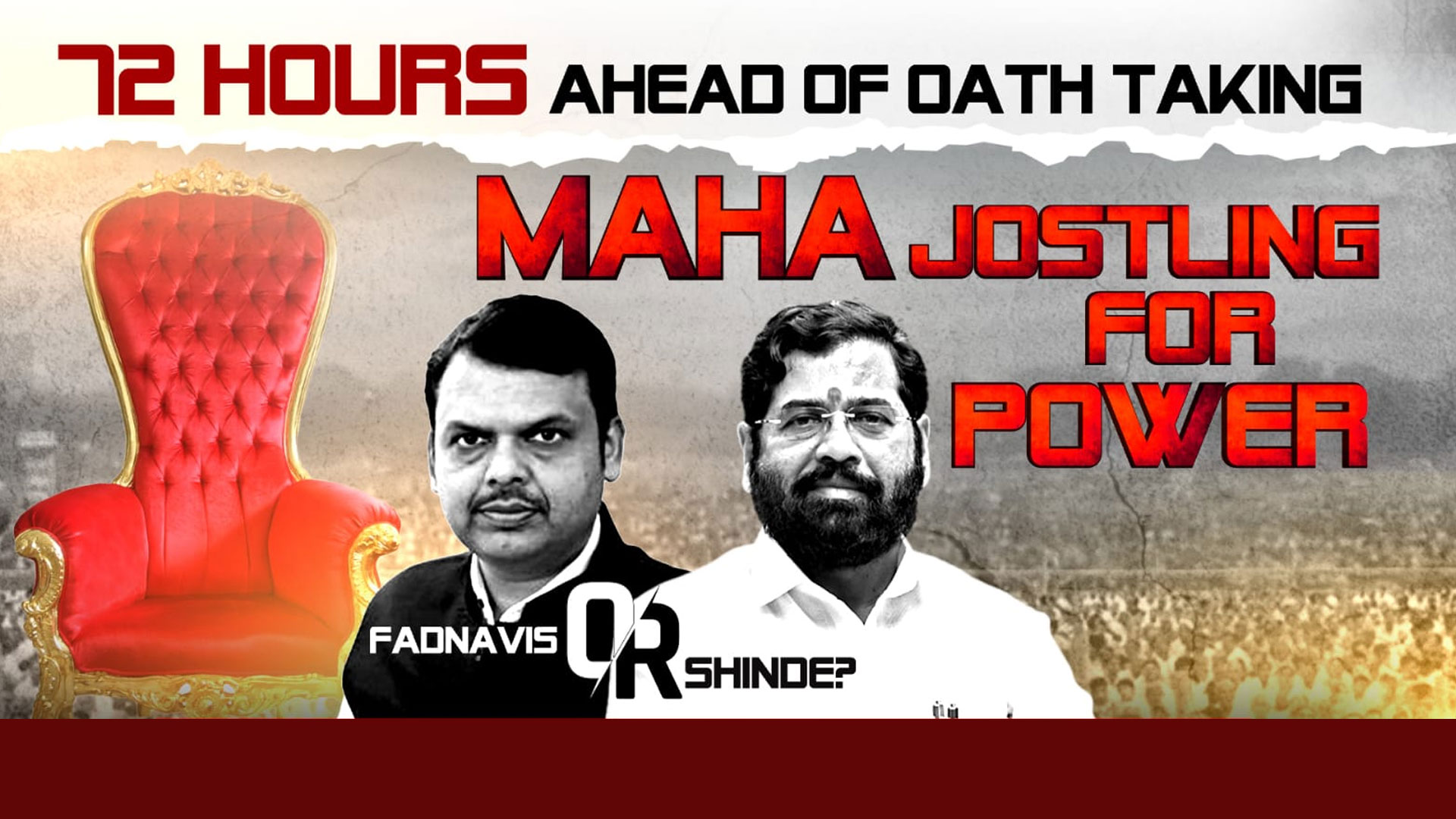
The recent landslide victory of the Mahayuti alliance in the Maharashtra state elections has not brought about immediate clarity regarding the formation of the state government. Even a week after the electoral triumph, significant power struggles and negotiations are underway, leaving the precise shape and structure of the administration shrouded in uncertainty. The article highlights the ongoing jostling for key ministerial portfolios and the seemingly complex power dynamics at play between the BJP, NCP, and Shiv Sena. The uncertainty underscores the intricacies of coalition governments and the often-fraught process of power-sharing after an election.
One of the central questions raised is the BJP's apparent prioritization of the NCP over the Shiv Sena. This perceived preference is fueling speculation and creating tension within the alliance. Analysts suggest this could stem from various factors, including strategic considerations concerning political maneuvering, the potential for securing long-term stability, and the allocation of crucial ministerial portfolios that command significant influence and resources within the state government. The lack of transparency in these negotiations further fuels the perception of behind-the-scenes power plays, increasing the uncertainty surrounding the eventual composition of the government.
The allocation of key ministerial portfolios is becoming a major bone of contention amongst the alliance partners. Reports suggest significant disagreements regarding the distribution of power and influence. Control over crucial ministries, such as Finance, Home Affairs, and Infrastructure, is particularly coveted, as these positions offer substantial leverage and control over policy decisions and resource allocation. The negotiations are likely to be prolonged and arduous, with each party striving to maximize its influence and secure positions that align with its political ambitions and priorities within the government. This complex power dynamic raises concerns about potential policy gridlock and the impact on the timely implementation of governance initiatives.
The situation in Maharashtra underscores the challenges inherent in coalition politics. The formation of a stable and effective government requires careful negotiation, compromise, and a willingness to address the diverse interests of participating parties. Failure to achieve a mutually acceptable arrangement could lead to instability, delays in policy implementation, and a potential erosion of public trust in the governing coalition. Experts are closely monitoring the situation, analyzing the unfolding power dynamics and predicting the likely outcome of these protracted negotiations. The future trajectory of Maharashtra's political landscape remains uncertain, with the final composition of the government and the effective distribution of power still hanging in the balance.
Beyond the immediate concerns of power-sharing, the ongoing negotiations also highlight the larger political implications for the BJP's national strategy. How the party manages this coalition in Maharashtra will set a precedent for future alliances and potentially influence its political trajectory in other states. The outcome will send signals about the BJP's approach to coalition governance, its willingness to compromise, and its ability to maintain internal cohesion within its alliances. The media and political analysts are closely analyzing these dynamics, anticipating the long-term ramifications of this high-stakes political drama.
The unresolved power dynamics in Maharashtra are not only a matter of internal political maneuvering but also have far-reaching consequences for the state's economic development and social welfare. The delay in forming a stable government could hinder crucial policy initiatives and investments, potentially affecting the state's progress. The lack of clarity in governance could also lead to uncertainty and instability, impacting various sectors of the economy and potentially undermining investor confidence. Therefore, a swift and effective resolution of these power struggles is crucial for ensuring good governance and driving sustainable development in Maharashtra.
Source: 72 Hours Before Oath Taking: Jostling For Power In Maharashtra