
 |
|
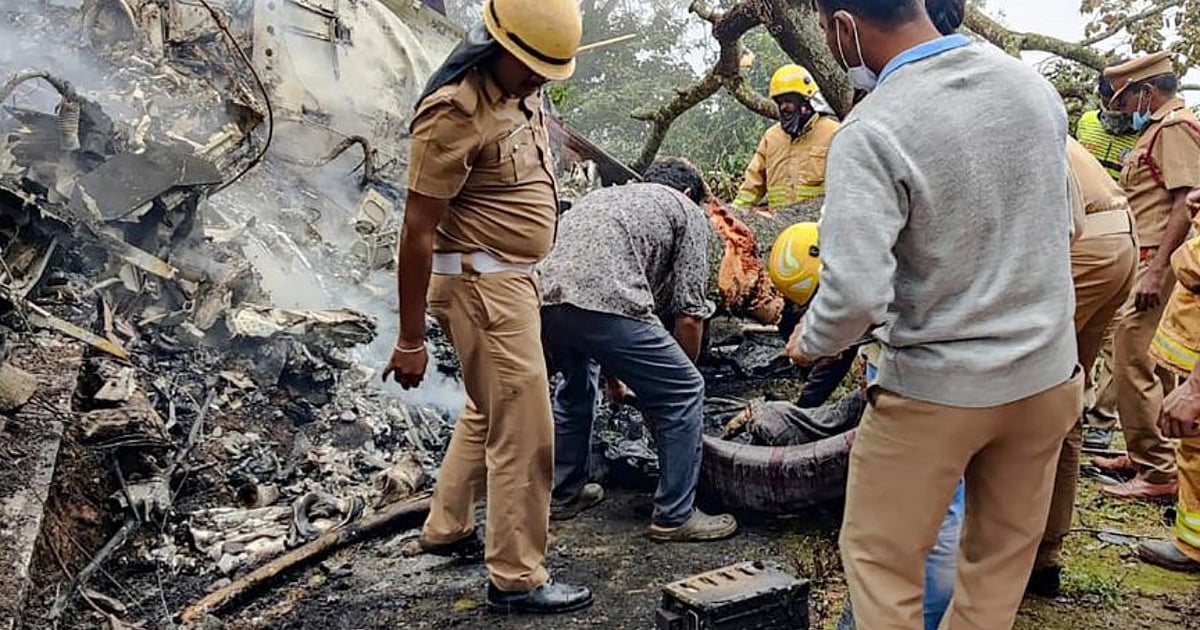
The Indian Air Force (IAF) has attributed the fatal helicopter crash that claimed the lives of Chief of Defence Staff (CDS) General Bipin Rawat, his wife Madhulika Rawat, and 11 other personnel to human error. The tragic incident, one of India's worst military aviation disasters, occurred on December 8, 2021, near Coonoor in the Nilgiri hills of Tamil Nadu. The Mi-17V5 helicopter, carrying the CDS and his entourage, was en route to the Defence Services Staff College in Wellington when it crashed minutes before its scheduled landing. The investigation into the cause of the crash, which lasted for several months, concluded that human error was the primary factor contributing to the accident. This determination has brought a degree of closure to the nation, although the loss of such prominent figures and valuable military personnel remains profoundly impactful.
The details surrounding the specific nature of the 'human error' remain undisclosed by the IAF. While a comprehensive report on the accident investigation has not been made public, the acknowledgment of human error suggests potential shortcomings in piloting, navigation, maintenance, or decision-making processes. The IAF's decision to not release the specifics of the report likely stems from security concerns, the desire to avoid a repeat of the circumstances, and possibly an effort to prevent misinterpretation of technical details. The opaque nature of the announcement, while unfortunate for those seeking transparency, is understandable given the sensitive information involved in a military aviation accident investigation. The focus, going forward, needs to be on implementing the necessary safeguards to prevent similar catastrophes in the future.
The crash sparked widespread mourning and national grief across India. General Rawat was a highly respected figure in the Indian armed forces, known for his leadership and strategic acumen. His death, coupled with the loss of so many other esteemed personnel, left a significant void within the military establishment. The incident served as a sobering reminder of the risks inherent in military aviation, even for highly trained pilots and crews operating sophisticated technology. Beyond the immediate tragedy, the event prompted renewed calls for enhanced safety protocols and improved training within the IAF and the Indian armed forces as a whole. The public reaction ranged from expressions of deep sorrow and condolences to demands for improved transparency and accountability within the defense sector. Further investigations and policy changes will undoubtedly follow.
In the wake of the crash, the Indian government implemented various measures aimed at strengthening safety procedures and ensuring the prevention of similar incidents. These efforts might include reassessment of existing pilot training programmes, enhanced maintenance protocols for the helicopter fleet, and rigorous oversight of operational procedures. The details of these improvements remain largely confidential, likely for the same security reasons that prevent full transparency surrounding the original accident report. This lack of detailed public information can be frustrating, but it is a common aspect of investigating serious incidents within military organizations. The focus, however, remains on learning from this tragedy to create a safer environment for future military operations.
The tragic events surrounding the helicopter crash highlight the ongoing challenges in maintaining a high level of safety and effectiveness in military operations. Technological advancements, rigorous training standards, and effective risk management strategies are crucial components in reducing the chances of such accidents. The ongoing efforts to learn from this devastating incident emphasize the need for a continuous cycle of improvement and adaptation within military organizations, ensuring that the lessons learned translate into tangible improvements that protect military personnel and minimize future losses.
Source: 'Human error' behind Gen Bipin Rawat’s helicopter crash in 2021: IAF