
 |
|
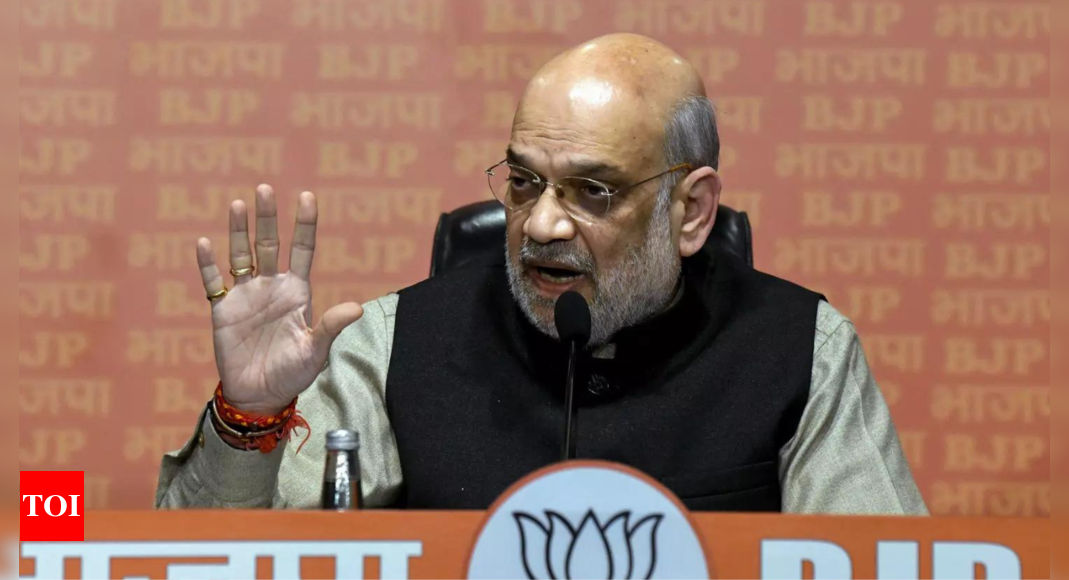
The recent comments made by India's Home Minister, Amit Shah, regarding B.R. Ambedkar during a parliamentary debate commemorating the Constitution's 75th anniversary, have sparked outrage and ignited a firestorm of protest amongst Dalit organizations across the nation. Shah's remarks, perceived as dismissive and disrespectful towards the architect of the Indian Constitution, have been met with swift and widespread condemnation. The National Confederation of Dalit and Adivasi Organisations (NACDOR), along with other prominent Dalit leaders such as Nitin Raut, Rajendra Pal Gautam, and Jignesh Mewani, have spearheaded a call for nationwide protests scheduled for December 28th. This coordinated action signifies the depth of feeling within the Dalit community and underscores the gravity of the perceived insult.
The planned protests are not merely symbolic expressions of discontent; they represent a concerted effort to demand accountability and redress for what many view as a grave transgression. The core demand of the protestors is a public apology from the Home Minister, not only to the Dalit community but also on the floor of Parliament, where the offensive remarks were originally made. This demand reflects a deep-seated desire to acknowledge the significance of Ambedkar's contribution and the hurt caused by Shah's seemingly casual dismissal of his legacy. The choice of the protest date—December 28th—indicates a deliberate strategy to maximize impact and visibility, culminating a ten-day mobilization period.
The protests, planned at the bloc, district, town, and city levels, are expected to draw significant participation across multiple states. Reports indicate that states like Uttar Pradesh, Bihar, Chhattisgarh, West Bengal, Madhya Pradesh, Andhra Pradesh, Telangana, Haryana, and Punjab have already pledged support, highlighting the widespread nature of the resentment. The mobilization transcends geographical boundaries, suggesting a unified and powerful response to the perceived slight. Furthermore, the inclusion of Other Backward Classes (OBC) groups in the protests expands the base of support and underscores the broader concerns about the respect afforded to social justice icons and the Constitution itself.
The central theme of the protests—'Dr. Ambedkar is not a fashion; he is the nation. Whoever insults the nation is a rashtradrohi (traitor), and traitors have no right to run the country'—highlights the protestors' conviction that Ambedkar’s legacy represents the very essence of the Indian nation. This powerful statement aims to directly counter Shah's remark that mentioning Ambedkar's name frequently had become a 'fashion.' The use of the term 'rashtradrohi' (traitor) carries immense weight, signifying the gravity with which the Dalit community perceives Shah's words and framing the issue as a challenge to national unity and values. The comparison drawn to the incident involving damage to a Chhatrapati Shivaji statue, where the Prime Minister offered an immediate apology, further emphasizes the perceived double standard and calls for equal treatment and respect for all national icons.
The political ramifications of the situation extend beyond the immediate protest. The protests have the potential to significantly impact the ruling party's image, particularly among the significant Dalit and OBC populations. The government's response, or lack thereof, will be closely scrutinized, not only within India but also internationally, as it speaks to the government's commitment to social justice and inclusive governance. The call for support from like-minded political parties underscores the potential for the issue to become a major political battleground, with long-term consequences for the political landscape. The deliberate framing of the issue as one of respecting the Constitution and its makers could resonate across a broad spectrum of the Indian population, adding another layer of complexity to the situation.
The protests' success will depend on several factors, including the level of participation from different communities, the government's response to the demands, and the media coverage of the events. The sustained mobilization efforts over ten days prior to the protests suggest an organized and determined approach by the organizers. The success of these protests will not only hinge on the immediate demands for an apology but will also test the extent to which the government is willing to engage with the Dalit community’s concerns about social justice, equality and respect for their cultural heroes. The long-term consequences of this event are yet to be seen but the current situation highlights significant tensions within Indian society around issues of identity, representation, and the historical legacy of social justice movements.
The article clearly highlights a significant political event, touching on crucial themes of social justice, political discourse and the delicate balance of power within a diverse and complex society. The planned protests represent a strong assertion of identity and rights, forcing a critical examination of the role of political rhetoric and its impact on national identity and unity. The unfolding events will undoubtedly shape the political narrative in India for the foreseeable future. The outcome of these protests and the government's reaction will influence future political dialogue, and potentially set precedence for similar events regarding the treatment and respect given to national icons and the sentiments of significant segments of the Indian population.
Source: Dalit organisations call for nationwide protests over Amit Shah’s remarks on Ambedkar