
 |
|
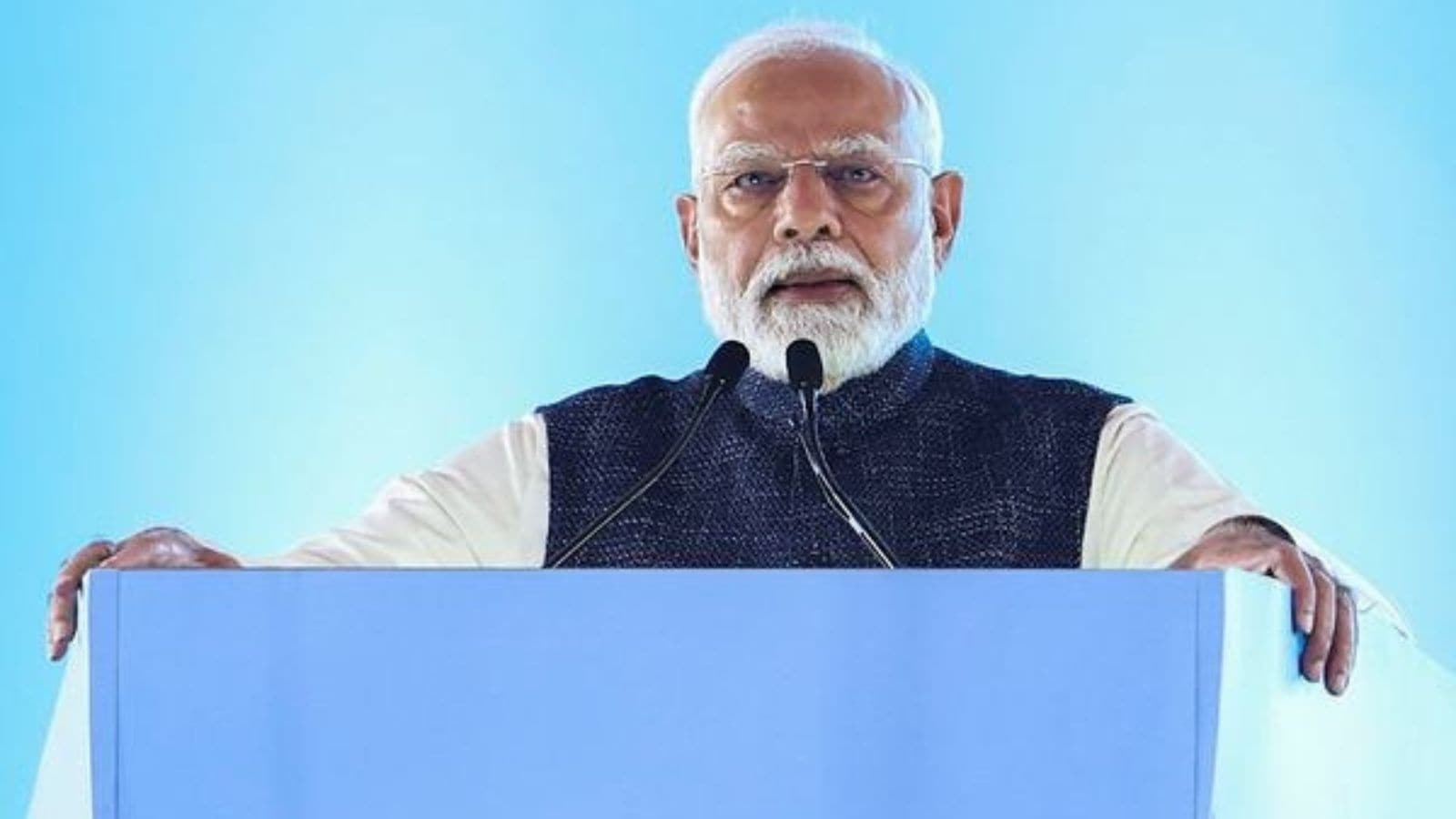
Prime Minister Narendra Modi's visit to Chandigarh marked a significant milestone in India's legal landscape. He celebrated the nationwide implementation of three new criminal laws: the Bharatiya Nyaya Sanhita (BNS), Bharatiya Nagarik Suraksha Sanhita (BNSS), and Bharatiya Sakshya Adhiniyam (BSA), which took effect on July 1st. Modi's declaration that the 'tareekh-pe-tareekh days are over' – a reference to the frequent adjournments plaguing the Indian legal system – encapsulates the government's ambition to expedite justice. Chandigarh's distinction as the first city to fully implement these laws serves as a model for the rest of the country, showcasing the potential for swift and efficient legal processes. The event also provided a platform for Modi to criticize the legacy of colonial-era laws, arguing that the previous Indian Penal Code (IPC), Code of Criminal Procedure (CrPC), and Indian Evidence Act were designed to suppress the Indian population, rather than deliver impartial justice.
The core tenets of the new laws emphasize faster resolution of cases and increased protection for victims. The BNS introduces strict timelines for various stages of the legal process, including the submission of chargesheets and the delivery of judgments. Specific provisions aim to protect women and children, with dedicated chapters outlining their rights within the family and society. The aim is to address the pervasive issue of delayed justice, often leading to a perception of impunity for perpetrators and continued suffering for victims. Modi highlighted instances in Delhi and Bihar where the new laws demonstrably reduced the time taken to deliver justice, showcasing its potential impact across the nation. A key aspect of the reform is the focus on ensuring that convicts serve their full sentences, preventing the release of individuals before the completion of their punishment.
The implementation of these laws isn't merely a legal overhaul; it reflects a broader political agenda. Modi framed the transition as a necessary step to shed the vestiges of colonial rule and establish a truly independent and just legal system. He emphasized the need to overcome the fear ingrained in the minds of the poor and weak, who often perceive the legal system as an instrument of oppression rather than protection. The BNS, Modi argues, aims to create a system of equality before the law, where all citizens can access justice without fear of intimidation or undue delay. The government's extensive consultation process, involving legal experts, police officials, and members of the legal profession, underscores its commitment to crafting effective and practical legislation. The Prime Minister expressed gratitude to the Supreme Court, High Courts, and bar associations for their contributions to the realization of these reforms.
Beyond the immediate legal implications, the successful implementation of these laws has broader implications for India's economic and social development. Modi linked the effectiveness of the legal system to attracting foreign investment, arguing that a robust law and order framework is essential for fostering economic growth. He contrasted the previous system, which he characterized as fostering fear and discouraging individuals from assisting in cases of accidents or emergencies, with the improved confidence that the new laws should inspire. The training of over 11,34,698 officers to implement these laws demonstrates the government's significant investment in ensuring their effective application across the country. Union Home Minister Amit Shah's statement that all states should fully implement these laws within three years underscores the government's determination to transform the Indian justice system nationwide.
The introduction of these new criminal laws represents a bold attempt to address long-standing challenges within the Indian legal system. The emphasis on speedier justice, increased victim protection, and the eradication of colonial-era legal frameworks constitutes a significant departure from the past. However, the success of these reforms will ultimately depend on their effective implementation and enforcement across all states, requiring ongoing commitment from the government, judiciary, and law enforcement agencies. The challenges inherent in implementing sweeping legal changes in a vast and diverse nation like India cannot be underestimated. Nevertheless, the initial enthusiasm and the strong political will behind the initiative suggest a commitment to creating a more just and equitable legal system for all citizens.
Source: ‘Tareekh-pe-tareekh days are over’: In Chandigarh, PM Modi hails 3 new criminal laws