
 |
|
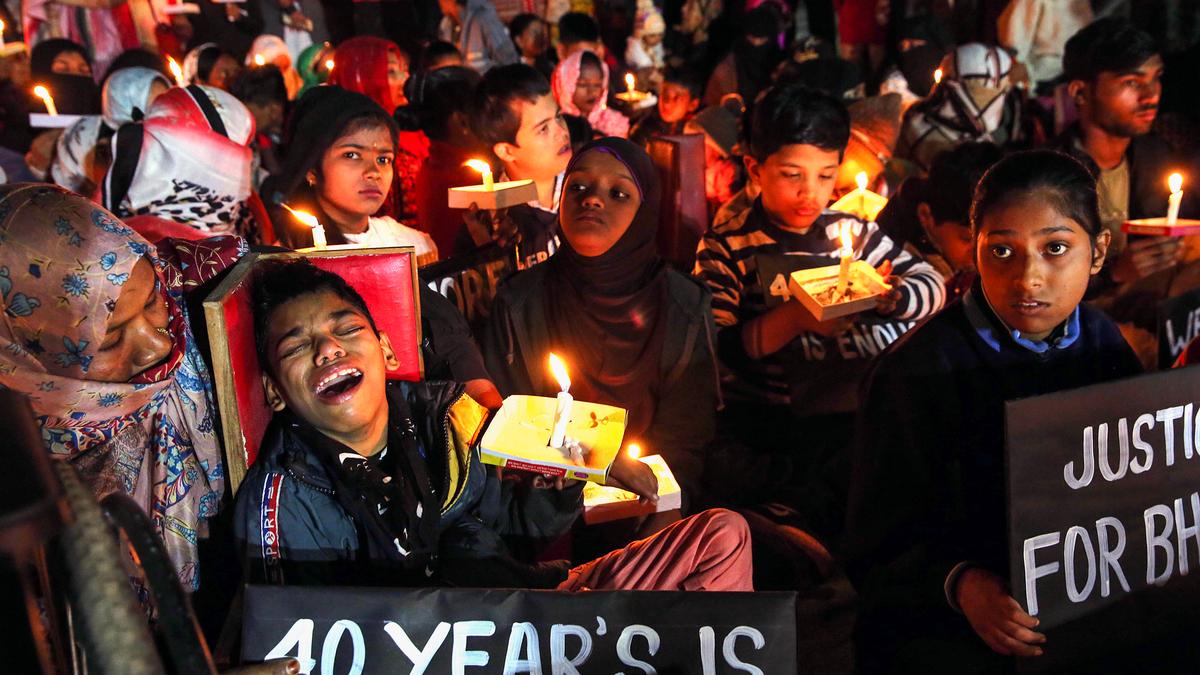
Forty years after the devastating Bhopal gas tragedy, a stark reality persists: hundreds of tonnes of toxic waste from the Union Carbide India Limited (UCIL) factory remain on-site, a testament to decades of governmental inaction and bureaucratic delays. Despite numerous court orders, warnings from environmental agencies like the National Green Tribunal (NGT), and the allocation of ₹126 crore by the Union government to the Madhya Pradesh government for remediation, the toxic legacy of the disaster continues to poison the land and its people. The sheer scale of the problem is staggering. While the government focuses on the disposal of 337 MT of waste collected in 2005, a 2010 study revealed the existence of approximately 11 lakh tonnes of contaminated soil, one tonne of mercury, and nearly 150 tonnes of underground toxic dumps – a far greater environmental threat that remains largely ignored.
The lack of progress is deeply troubling. A 2010 government-commissioned study highlighted the incompleteness of the 2005 waste collection effort and recommended the excavation and remediation of the remaining toxic dumps. A subsequent peer review committee in 2010 further recommended a comprehensive reassessment. Yet, fourteen years later, this crucial reassessment remains undone. Even the ₹126 crore allocated in March 2024 for the disposal of the 337 MT of waste has not yet translated into tangible on-the-ground action. Central government officials attribute this delay to ‘administrative issues,’ while sources closer to the situation point to the pressing need for a reassessment given the significant time elapsed since the 2010 study and the potential for environmental changes.
The consequences of this prolonged neglect are severe and far-reaching. Numerous studies, both governmental and non-governmental, have documented widespread groundwater contamination in residential areas surrounding the factory. This contamination, laden with heavy metals and other toxic substances, poses a significant health risk, potentially leading to cancer and other debilitating diseases. Experts warn of the ongoing spread of contamination, raising the spectre of a continuously expanding health crisis. The NGT, in March 2024, sharply criticized the government's inaction, highlighting the leaching of toxic substances into surface and groundwater, further contaminating water sources and posing a threat to human health and the environment.
The history of missed warnings and missed opportunities underscores the scale of the government’s failure. The Supreme Court, in 2004, recognized the damage caused by UCIL's indiscriminate dumping of hazardous waste, highlighting the negligence of both the company and the authorities. In 2005, a small portion of the collected waste was incinerated, while the remaining 347 MT was stored within the factory premises. A 2015 trial incineration by the Central Pollution Control Board (CPCB) suggested a viable disposal method, but this hasn’t been adopted on a larger scale. An NGT-appointed committee in 2022 again urged for speedy disposal of the waste, highlighting the possibility of soil contamination, yet no significant progress has been made. An NGT order in March 2022 demanding immediate action within six months has remained unheeded.
The government's response to the crisis has been characterized by reactive measures rather than proactive solutions. While the number of areas supplied with safe drinking water has increased to 42 following court orders, this is a band-aid solution to a much larger problem. The sealing of contaminated hand pumps and tube wells is a further testament to the severity of the situation, yet many residents still use contaminated groundwater for non-drinking purposes. Rachna Dhingra of the Bhopal Group for Information and Action aptly summarizes the situation: the government's focus on a small fraction of the total toxic waste is insufficient, and without a comprehensive cleanup, the contamination will continue to spread, creating new victims even four decades after the initial disaster. The failure to hold Union Carbide accountable for the cleanup adds another layer of injustice to the ongoing tragedy.
Source: 40 years after Bhopal gas tragedy, Union Carbide’s toxic waste yet to be removed