
 |
|
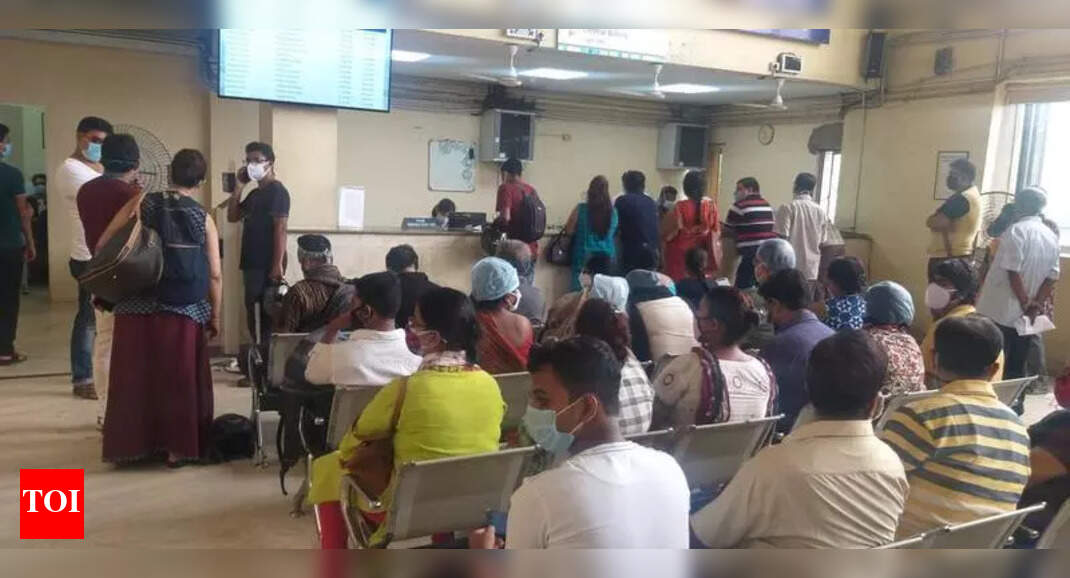
The ongoing political turmoil in Bangladesh has significantly impacted the healthcare sector in Kolkata, India. A substantial number of Bangladeshi patients travel to Kolkata for medical treatment, particularly surgeries, contributing significantly to the medical tourism industry in the city. However, the recent instability has led to a sharp decline in the number of Bangladeshi patients seeking medical care in Kolkata's private hospitals. This disruption has resulted in the cancellation and postponement of numerous scheduled surgeries and appointments, causing considerable inconvenience for both patients and healthcare providers.
Several prominent hospitals in Kolkata, including Peerless Hospital, Desun Hospital, BP Poddar Hospital, and Manipal Hospitals, have reported a significant drop in Bangladeshi patients. Peerless Hospital, for instance, cancelled at least five surgeries due to patients' inability to travel. The hospital also anticipates further cancellations of scheduled surgeries. Similarly, Desun Hospital experienced a 75% decrease in Bangladeshi patients over the past month, with many opting for online consultations instead of in-person appointments and admissions. The situation is mirrored at BP Poddar Hospital, where approximately 50 surgeries scheduled for December were postponed due to the travel restrictions. The impact extends beyond surgeries; outpatient department (OPD) appointments have also experienced a substantial decrease.
In response to the crisis, many hospitals are adapting by offering online consultations as an alternative. This allows patients who are unable to travel to still receive medical advice and guidance from their doctors in Kolkata. While online consultations offer a degree of continuity of care, they cannot replace the necessity of in-person examinations and procedures for many medical conditions. The shift towards online consultations highlights the adaptability of the healthcare sector in the face of unforeseen circumstances, but it also underscores the significant challenges posed by the ongoing political situation in Bangladesh.
The impact extends beyond the immediate financial implications for the hospitals. The reduction in Bangladeshi patients affects the overall healthcare system in Kolkata, potentially impacting staffing levels and resource allocation. Furthermore, the disruption disrupts the carefully planned schedules of both patients and medical professionals. The reliance on medical tourism by Bangladeshi patients emphasizes the cross-border nature of healthcare and the vulnerabilities inherent in such a system when political instability arises in one country. The situation underscores the need for robust contingency plans to mitigate the impact of such crises on both patients and healthcare providers.
The decline in patients began to be noticeable in August, and although there was a slight uptick after the Durga Puja festival, the numbers never returned to pre-crisis levels. This indicates that the impact of the instability in Bangladesh is not merely temporary, but is having a sustained and measurable effect on the healthcare landscape in Kolkata. The long-term effects of this disruption remain to be seen, but it is clear that the situation necessitates close monitoring and potential adjustments to healthcare strategies in the region. The future may require exploring alternative models of cross-border healthcare delivery to minimize the impact of future geopolitical events.
Source: Kolkata Hospitals Cancel Surgeries Amid Bangladesh Travel Crisis