
 |
|
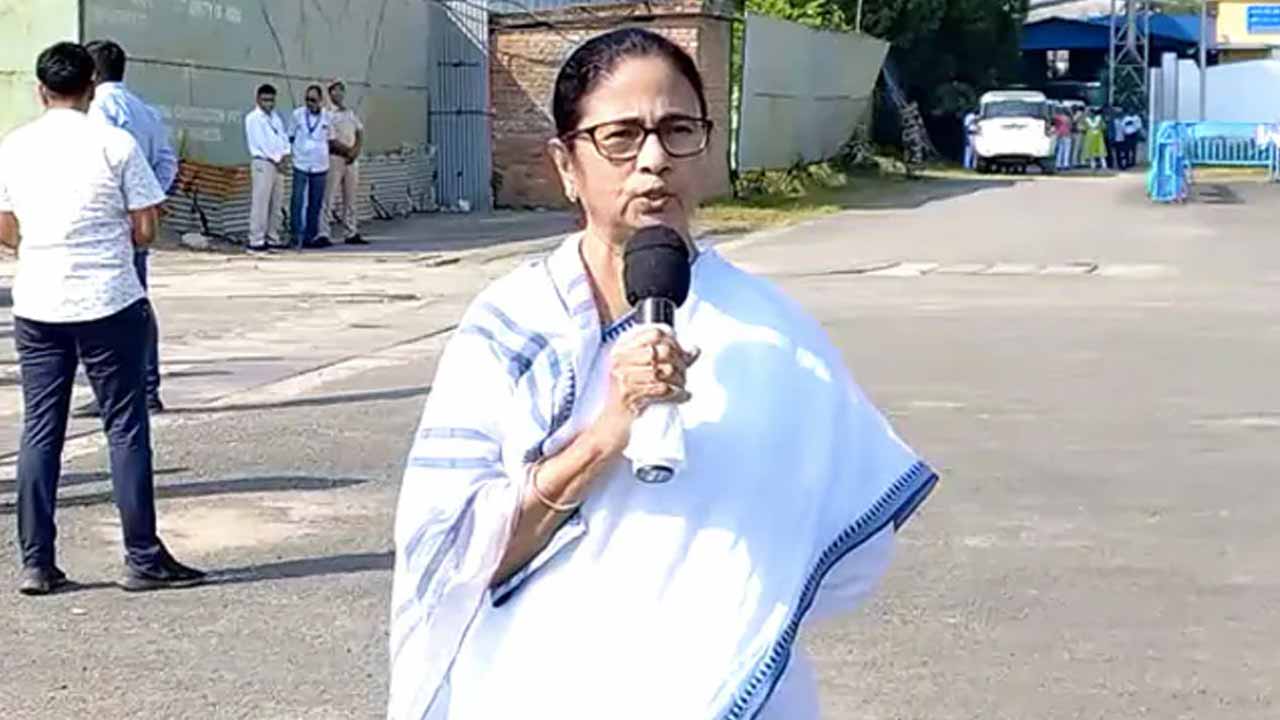
The escalating violence against religious minorities in Bangladesh has prompted a strong response from West Bengal Chief Minister Mamata Banerjee, who has publicly called for the deployment of a United Nations peacekeeping force in the neighboring country. Her statement, made on Monday, underscores the growing international concern over the deteriorating human rights situation and the urgent need for intervention to protect vulnerable communities. Banerjee's appeal directly targets Prime Minister Narendra Modi, urging his personal intervention to ensure the safety and security of these minorities. This plea highlights the complex geopolitical dynamics at play, with a regional leader appealing to the national government for action on an international stage. The situation in Bangladesh is not simply a matter of internal affairs; it has significant regional implications and raises questions about the responsibility of neighboring countries to address humanitarian crises.
Banerjee's demand for a UN peacekeeping force is a significant escalation of the rhetoric surrounding the violence. It suggests that existing diplomatic efforts have proven insufficient to address the root causes of the violence and protect those most at risk. The deployment of a UN force would represent a major undertaking, requiring international consensus and substantial logistical support. Such a deployment would also necessitate close collaboration between the UN, the Bangladesh government, and other relevant stakeholders. The success of such an intervention depends heavily on the willingness of all parties to cooperate and adhere to international humanitarian law. Any resistance from the Bangladesh government could significantly hinder the effectiveness of a UN peacekeeping operation, underscoring the necessity of diplomatic engagement and negotiation prior to any such deployment.
The specific nature of the violence against religious minorities in Bangladesh is a crucial element of this ongoing crisis. Reports of targeted attacks, discrimination, and displacement highlight the vulnerability of these communities and the systematic nature of the persecution. Understanding the underlying causes of this violence, including political, social, and economic factors, is vital to developing effective long-term solutions. Without addressing these underlying issues, any short-term intervention, including the deployment of a UN peacekeeping force, may only offer temporary relief. A comprehensive approach is needed, one that tackles the root causes of the violence while simultaneously providing immediate protection to vulnerable communities. This necessitates international cooperation, including financial assistance, humanitarian aid, and technical support to strengthen the capacity of local organizations and governments to protect human rights and ensure accountability for perpetrators of violence.
Prime Minister Modi's role in this unfolding crisis is pivotal. The Indian government’s response will significantly influence the trajectory of events. While Banerjee's direct appeal to Modi highlights the urgency of the situation, it also underscores the potential for friction between the state and national governments. The relationship between the two has often been characterized by political tension. The effectiveness of any intervention, whether through diplomatic channels or other means, will largely depend on the level of cooperation and coordination between the central and state governments. The international community will also be watching closely, seeking to gauge India's commitment to addressing the humanitarian crisis in its neighboring country. India's response will shape not only the immediate outcome but also its long-term standing on human rights issues in the region.
The call for a UN peacekeeping force is not without precedent. Numerous instances throughout history have demonstrated the potential effectiveness of such deployments in mitigating violence and promoting stability in conflict zones. However, the challenges involved are significant. The success of any peacekeeping mission hinges on several factors, including the level of cooperation from the host country, the mandate given to the peacekeeping force, and the availability of adequate resources. Analyzing past UN peacekeeping operations in similar contexts can provide valuable insights into the potential benefits and limitations of such an intervention in Bangladesh. Lessons learned from previous missions can inform strategies to mitigate potential risks and enhance the effectiveness of a potential UN deployment in addressing the current crisis.
Source: Mamata Banerjee Wants UN Force In Bangladesh, Says PM Modi Must Intervene