
 |
|
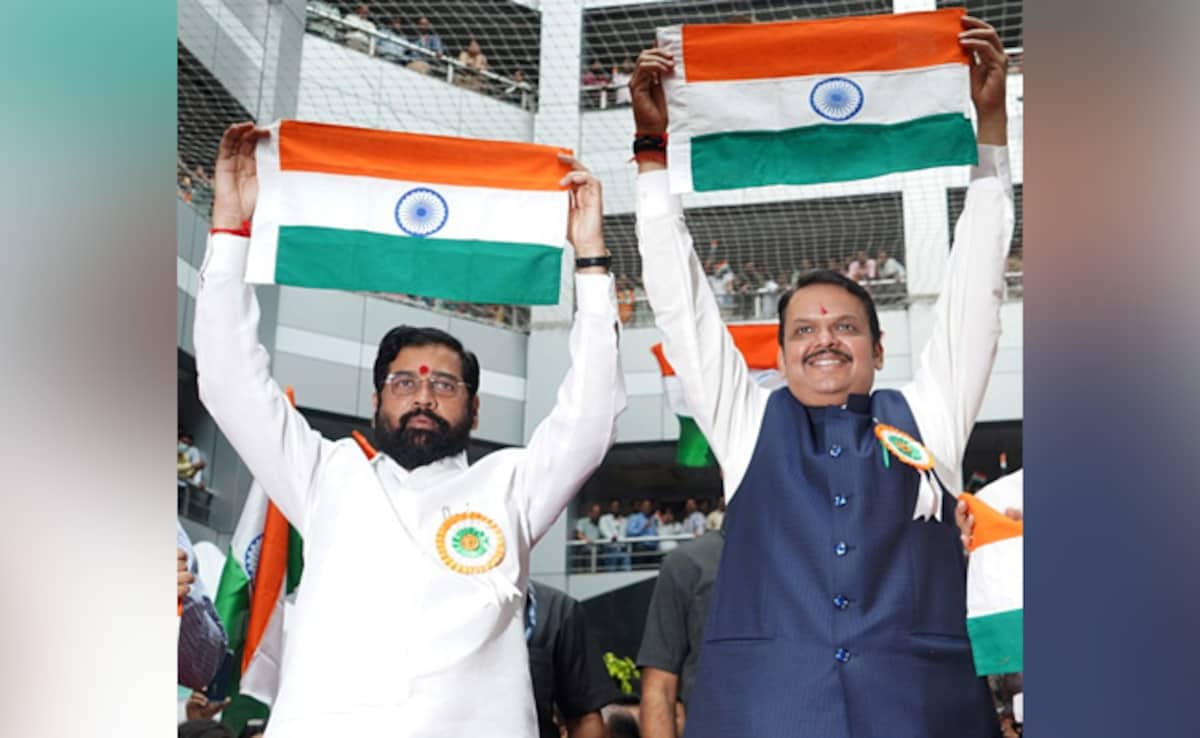
The political landscape of Maharashtra is currently embroiled in a complex power struggle following the recent state assembly elections. The Bharatiya Janata Party (BJP), emerging as the single-largest party, is tasked with forming the next government. However, the process has been significantly delayed due to intricate negotiations with its allies, the Eknath Shinde-led Shiv Sena faction and the Ajit Pawar-led Nationalist Congress Party (NCP). While a rudimentary power-sharing agreement has been reached—with the Chief Minister from the BJP and a deputy each for the allied parties—the specifics continue to be debated, delaying the formal announcement of the new Chief Minister.
Devendra Fadnavis, a senior BJP leader and former Chief Minister, is widely considered the frontrunner for the top post. The BJP's strong performance in the elections, coupled with the support of its allies, has seemingly bolstered its position in negotiations. Interestingly, the BJP's current numerical strength (132 MLAs) exceeds the halfway mark needed for government formation (145). This seemingly eliminates the need to rely heavily on the Shinde Sena for support, a stark contrast to the situation in the 2022 mid-term switch. This advantageous position has apparently emboldened the BJP in its claim to the Chief Minister's post, a claim not well-received by Chief Minister Shinde and his party.
The delay in announcing the new Chief Minister has sparked considerable tension and speculation. Eknath Shinde, currently the outgoing Chief Minister, initially displayed signs of displeasure, retreating to his hometown. However, he later declared that he would not obstruct the BJP's decision. This seemingly conciliatory move followed a conversation with Prime Minister Narendra Modi. Despite this, uncertainty remains regarding the distribution of key ministerial portfolios, particularly the position of the second Deputy Chief Minister.
Speculation mounted concerning the possibility of Shrikant Shinde, the son of Eknath Shinde, being appointed as the second Deputy Chief Minister. This suggestion, however, was promptly refuted by Shrikant Shinde himself through a statement on X (formerly Twitter). He firmly denied any interest in the position, clarifying that previous opportunities to join the Union cabinet had also been declined. This denial underscores the ongoing complexities of the negotiations, highlighting potential underlying tensions between the BJP and the Shinde Sena despite the outward show of alliance.
The delay in forming the new government has not gone unnoticed by the opposition. Aaditya Thackeray, leader of the Thackeray faction of the Shiv Sena, has leveled strong criticism against the ruling alliance, labeling the situation as 'pure anarchy' and questioning the integrity of the election results. He alluded to allegations of voter fraud and EVM tampering, further escalating the political tensions in the state. This opposition narrative will likely gain traction if the stalemate persists. This underscores the volatile political landscape of Maharashtra and the high stakes involved in forming the next government.
The naming of Finance Minister Nirmala Sitharaman and ex-Gujarat Chief Minister Vijay Rupani as observers for the BJP MLA meeting suggests a formal process is underway for the selection of the Chief Minister. The choice will undoubtedly have significant ramifications for the future of Maharashtra politics. While the BJP has the numbers to form a government without needing the full support of both allies, it’s evident they are balancing political pragmatism with the desire to maintain a working coalition. The final announcement of the Chief Minister and other key ministerial appointments will provide a clearer picture of the stability and direction of the new government and the dynamics of the ruling alliance.
The upcoming swearing-in ceremony, scheduled for December 5th in Mumbai, with Prime Minister Modi in attendance, is expected to bring a temporary closure to this ongoing saga. However, the underlying power dynamics and potential sources of friction within the ruling coalition remain noteworthy elements in this continually evolving political situation. The future political landscape of Maharashtra will be shaped by the degree to which the BJP successfully manages this coalition and mitigates any simmering resentments from partners that may feel under-represented.
Source: BJP Names Observers, E Shinde's Son Junks Deputy Buzz In Maharashtra Race