
) |
|
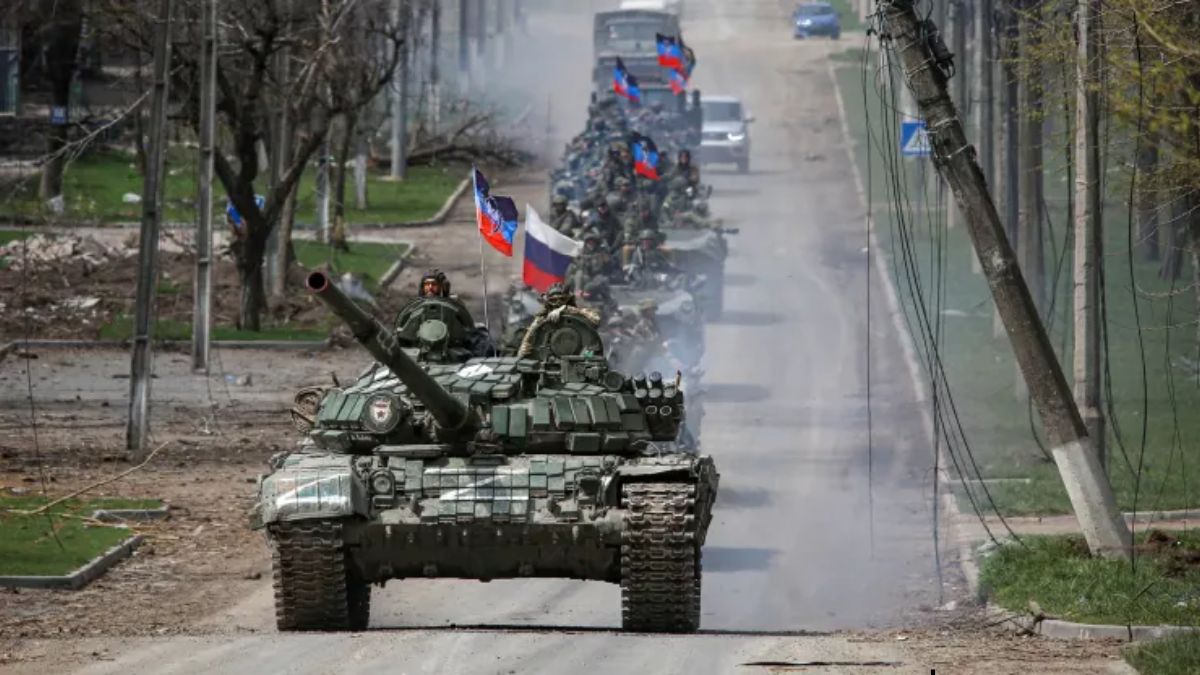
Russia's escalating conflict in Ukraine is inextricably linked to President Vladimir Putin's recent approval of a staggering defense budget for the years 2025-2027. Clocking in at approximately $126 billion (13.5 trillion rubles), this represents a 22% increase year-on-year and a monumental 32.5% of Russia's total budget – the largest allocation in the nation's history. This dramatic financial commitment underscores Putin's unwavering resolve to continue the war effort and points towards a significant intensification of military operations in the coming year. The allocation surpasses previous years' defense spending, reflecting a shift in national priorities towards military preparedness and a continuation of the war effort. The sheer scale of the budget suggests a long-term commitment to the conflict, possibly indicating a belief that a quick resolution is unlikely.
The timing of this substantial budget increase is highly significant. It coincides with Russia's recent claims of territorial gains in Ukraine, including key cities like Avdiivka, Vuhledar, and Ukrainsk, and its advance towards Povrovsk. These tactical successes, however debatable in terms of overall strategic impact, serve as a backdrop against which Putin can justify the increased spending. The narrative being presented is one of continued progress and the need for further resources to solidify these gains and potentially achieve more ambitious objectives. Furthermore, the recapture of approximately 40% of territory lost in the Kursk province earlier this year further fuels the perception of a successful military campaign, bolstering the justification for this substantial financial commitment. This narrative of ongoing success, even if partially manufactured, contributes to the domestic and international perception of the conflict's trajectory, which is crucial for maintaining support for the war effort.
The potential shift in US foreign policy under a potential Donald Trump presidency adds another layer of complexity. Trump's historically softer stance towards Russia, and his inclination to reduce US support for Ukraine, has undoubtedly emboldened Putin. This perceived change in the geopolitical landscape is a significant factor influencing the Russian president's strategic calculations. With a potential reduction in US aid to Ukraine, Russia's allies, including China, North Korea, and Iran, can be counted on for continued support. Reports suggest North Korea has already provided considerable military assistance, including troops and weaponry, while Iran has supplied drones and other military equipment. China's support, though less overtly military, is crucial in sustaining the Russian economy through the provision of technology and spare parts, vital for sustaining the war effort. This confluence of factors – internal military successes, perceived weakening of US support for Ukraine, and unwavering support from key allies – likely contributes to Putin's confidence in his ability to press forward with an escalated military campaign.
The consequences of this dramatic increase in defense spending extend far beyond the battlefield. Russia's economy is increasingly war-centric, with the military-industrial complex dominating national production. Resources that might otherwise be channeled into civilian sectors are instead directed towards military production, reinforcing a pattern of prioritization that has both immediate and long-term implications for the Russian economy and society. This intense focus on military production at the expense of other sectors poses potential risks to economic stability and social well-being, even if those risks are currently overshadowed by the ongoing conflict. The emphasis on military strength comes at the potential cost of long-term economic development and social progress. The significant budget increase underscores a substantial shift of national priorities, highlighting the critical role of military might in Putin's overall strategy and vision for Russia's future.
Beyond the sheer financial investment, Putin's actions demonstrate a clear escalation of his approach to the conflict. The September order increasing military personnel by 180,000, the renewed conscription efforts, the experimental intermediate ballistic missile launch targeting Ukraine, and the controversial changes to Russia's nuclear doctrine all point towards a more aggressive and less predictable military posture. The lowering of the threshold for nuclear weapon use is particularly alarming, demonstrating a willingness to potentially escalate the conflict to unprecedented levels. The combination of significant budget increases, troop deployments, and revisions to nuclear doctrine constitutes a disturbing signal of Russia's intentions, suggesting a preparedness for a prolonged and potentially highly dangerous continuation of hostilities. The international community must closely monitor the situation and consider the implications of this escalating war on global security.
Source: Putin earmarks 32% of Budget 2025 for Russia’s defence. Is he preparing for 4th year of Ukraine war?