
 |
|
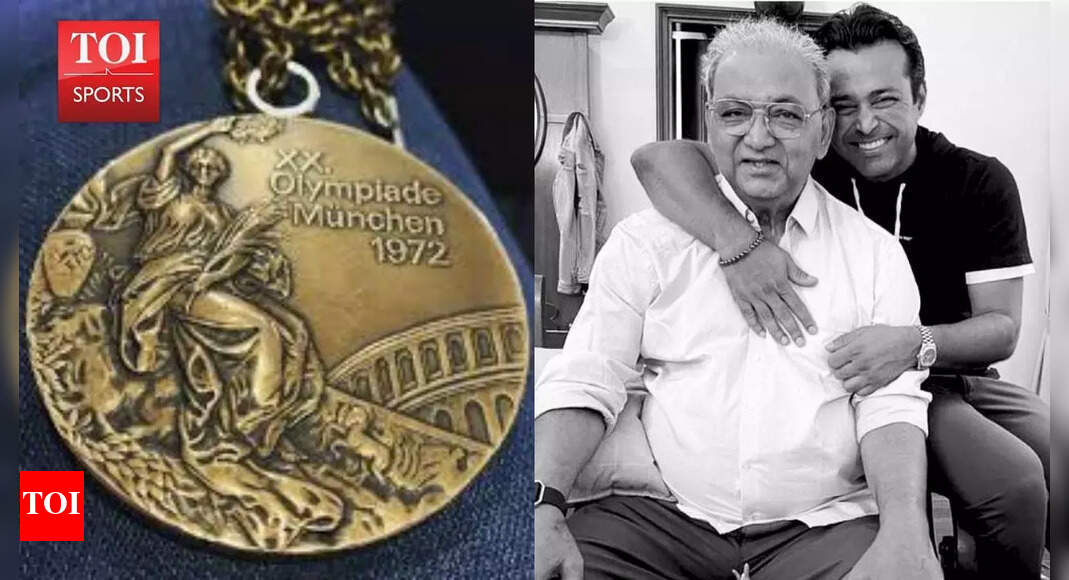
Dr. Vece Paes, a name synonymous with Indian hockey and a celebrated Olympian, passed away leaving behind a legacy that extends far beyond the hockey pitch. This article recounts a poignant episode in his life, highlighting his enduring connection to the Olympic medal he won in 1972 and the lengths he went to in his twilight years to reclaim a piece of his cherished past. The narrative centers around Paes's desire to possess a replica of his misplaced Olympic bronze medal and the help he sought from Ashok Kumar, son of the legendary Dhyan Chand and a former teammate. The story is a testament to the camaraderie shared by athletes and the profound significance of representing one's nation at the highest level. It reveals a personal struggle faced by a sporting icon and underscores the importance of preserving memories and legacies. Paes’s wish to recreate the medal speaks volumes about the emotional value attached to such achievements, representing years of dedication, sacrifice, and national pride. The article also touches upon the multifaceted contributions of Vece Paes to Indian sports, extending beyond his playing career to sports medicine and administration. His influence on anti-doping initiatives and his leadership roles in various sporting organizations further solidify his standing as a significant figure in the Indian sporting landscape. However, it is the story of the missing medal and the unfulfilled wish that captures the essence of the article, portraying a human side to the sporting legend.
The article vividly paints a picture of Vece Paes in his later years, battling Parkinson’s disease. Despite the physical challenges, his mind remained sharp, and his desire to recreate his lost Olympic medal burned brightly. The account of his meeting with Ashok Kumar in Kolkata two years before his death provides a glimpse into Paes's determination and the respect he commanded from his peers. Ashok Kumar's willingness to lend his own Olympic medal to Paes for six months speaks volumes about their friendship and the shared experiences of representing India at the Munich Olympics. The gesture underscores the deep bond forged between athletes who have competed together on the world stage. The article meticulously details Paes's efforts to have a replica of the medal made, traveling to Mumbai and Kolkata in search of skilled craftsmen. The failure to create a perfect replica adds a layer of pathos to the story, highlighting the difficulty of replicating a symbol of such profound personal and national significance. Despite the setback, Paes's persistence reflects his unwavering commitment to preserving the memory of his Olympic achievement. The narrative also sheds light on Paes's character, describing him as a gentleman, a helpful doctor, and a respected figure in the sporting community. These attributes, coupled with his sporting achievements, paint a comprehensive picture of a man who dedicated his life to sports and service.
Ajit Pal Singh, another prominent figure in Indian hockey and a close friend of Vece Paes, provides further insights into Paes's personality and sporting prowess. Singh's recollection of their rivalry for the same position on the hockey team reveals the competitive spirit that drove Paes to excel. The fear of being replaced by Paes motivated Singh to maintain his peak performance, highlighting Paes's skill and talent. Despite their rivalry, Singh emphasizes the cordial relationship they shared, devoid of grudges or animosity. This portrayal reinforces the image of Paes as a gentlemanly competitor who respected his opponents. The article also mentions the Paes family's deep roots in Indian sports, with Vece's wife having played basketball for India alongside Ajit Pal Singh's wife. This connection underscores the Paes family's commitment to sports and their contribution to the Indian sporting landscape. The article concludes by reiterating the respect and affection Paes earned throughout his life, emphasizing that his legacy will endure despite the loss of the medal and his passing. The missing medal serves as a poignant reminder of the importance of preserving memories and honoring the achievements of sporting legends. The article leaves the reader with a sense of admiration for Vece Paes, a man who dedicated his life to sports and embodied the spirit of sportsmanship.
Delving further into the nuances of Vece Paes's character, the article indirectly touches upon the often-overlooked emotional toll that professional athletes may endure. The loss, or in this case, misplacement, of such a significant symbol of achievement as an Olympic medal can have a profound impact on an athlete's psyche. It represents not only the culmination of years of rigorous training and dedication but also the embodiment of national pride and the realization of a lifelong dream. Paes's fervent desire to have the medal replicated, even in his advanced years and battling Parkinson's disease, speaks volumes about the deep emotional connection he maintained with that piece of hardware. It was more than just a medal; it was a tangible representation of his contribution to Indian sports history and a symbol of his identity as an Olympian. The failed attempts to replicate the medal likely added to his frustration and sense of loss, highlighting the irreplaceable nature of original artifacts that hold significant personal and historical value. This aspect of the story serves as a reminder that behind the glory and accolades, athletes are human beings with emotions, vulnerabilities, and a deep attachment to their achievements.
The article also implicitly raises the question of institutional support for athletes, particularly in preserving their legacies and achievements. While the article focuses on Paes's personal efforts to replicate the medal, it prompts reflection on whether there should be a more systematic approach to preserving and celebrating the achievements of Indian athletes. Government agencies, sporting organizations, and museums could play a more proactive role in documenting and safeguarding the artifacts and memorabilia associated with iconic athletes. This could involve creating digital archives, establishing halls of fame, or providing support for athletes to preserve their personal collections. Such initiatives would not only honor the achievements of past generations but also inspire future generations of athletes to strive for excellence. Furthermore, the article highlights the importance of oral history and the value of capturing the stories and experiences of athletes before they are lost to time. The recollections of Ashok Kumar and Ajit Pal Singh provide valuable insights into Paes's character, his contributions to Indian sports, and the broader context of the era in which he competed. These stories add depth and richness to the historical record and ensure that Paes's legacy is preserved for posterity.
In conclusion, the article serves as a poignant tribute to Vece Paes, a celebrated Olympian and a significant figure in Indian sports. It tells the story of his unfulfilled wish to replicate his lost Olympic medal, highlighting his enduring connection to his sporting achievements and the camaraderie he shared with his fellow athletes. The article also provides insights into Paes's character, his contributions to sports medicine and administration, and the broader context of Indian sports history. While the missing medal and the failed replication efforts add a touch of sadness to the narrative, the article ultimately celebrates Paes's life and legacy, emphasizing the respect and affection he earned throughout his career. It reminds us of the importance of preserving the memories and achievements of sporting legends and honoring their contributions to the nation. Furthermore, the article indirectly prompts reflection on the emotional toll that professional athletes may endure and the need for institutional support in preserving their legacies. Vece Paes's story is a testament to the power of sports to unite people, inspire generations, and create lasting memories.
The narrative surrounding Vece Paes and his missing Olympic medal transcends a simple tale of loss and recovery. It delves into the complex emotional landscape of athletes, their enduring connection to symbols of achievement, and the importance of preserving sporting legacies. The medal, in this context, becomes a metaphor for memory, identity, and the passage of time. Paes's pursuit to recreate the medal, even in the face of physical adversity, exemplifies the human desire to hold onto the past, to recapture moments of glory, and to ensure that one's contributions are not forgotten. The fact that his efforts were ultimately unsuccessful adds a layer of poignancy to the story, highlighting the elusive nature of memory and the limitations of material objects to fully represent the richness of lived experience. The article also underscores the significance of personal relationships in shaping an athlete's journey. The camaraderie between Paes and Ashok Kumar, their shared history as teammates, and Kumar's willingness to lend his own Olympic medal all speak to the power of sport to forge lasting bonds of friendship and mutual respect. These relationships provide a support system for athletes, helping them to navigate the challenges and celebrate the triumphs of their careers.
Moreover, the article offers a glimpse into the evolution of Indian sports over several decades. Vece Paes's career spanned a period of significant change and growth in Indian sports, from the amateur era to the rise of professional leagues and increased global competition. His contributions to sports medicine and anti-doping initiatives reflect his commitment to promoting ethical practices and ensuring fair play. His leadership roles in various sporting organizations demonstrate his desire to contribute to the development of sports at all levels. By highlighting Paes's multifaceted involvement in Indian sports, the article provides a broader historical context and sheds light on the challenges and opportunities that athletes and administrators have faced over the years. It also underscores the importance of individuals like Paes who have dedicated their lives to advancing the cause of sports in India. The article serves as a reminder that the success of Indian sports depends not only on the talent and dedication of individual athletes but also on the vision and leadership of administrators and the support of the broader community.
The article's focus on a seemingly minor incident – the loss of an Olympic medal and the subsequent attempts to replicate it – allows it to explore deeper themes related to memory, identity, legacy, and the human condition. Vece Paes's story is not just about sports; it's about the universal desire to preserve the past, to connect with one's achievements, and to leave a lasting mark on the world. The article's evocative language and its attention to detail create a vivid portrait of Paes, his struggles, and his triumphs. It invites the reader to reflect on the meaning of success, the importance of personal relationships, and the enduring power of the human spirit. By focusing on a personal narrative, the article makes these abstract themes more concrete and relatable. It reminds us that even the most celebrated athletes are ultimately human beings with emotions, vulnerabilities, and a deep connection to their personal history. Vece Paes's story is a reminder that the pursuit of excellence is not just about winning medals; it's about striving to be the best version of oneself and contributing to something larger than oneself.
In essence, the article transcends the boundaries of a simple news report and evolves into a poignant meditation on life, loss, and the enduring power of the human spirit. It leverages the seemingly straightforward narrative of a missing Olympic medal to explore the deeper complexities of memory, identity, and legacy. Vece Paes, in his pursuit to reclaim a piece of his past, becomes a symbol of the human desire to hold onto moments of glory and ensure that one's contributions are not forgotten. The article's strength lies in its ability to connect the personal with the universal, transforming a specific incident into a broader reflection on the human condition. It reminds us that behind the accolades and achievements, athletes are individuals with emotions, vulnerabilities, and a profound connection to their personal history. The story of Vece Paes and his missing medal serves as a powerful reminder of the importance of preserving our memories, honoring our legacies, and celebrating the enduring power of the human spirit.